


In this 10-part series, we explore the Ten Domains of Family Wealth, a comprehensive framework for understanding the issues facing wealthy families conceived by the Ultra High Net Worth Institute, headquartered in New York City. In this inaugural edition, we focus on the Family-Advisory Relationships (FAR) Domain.
You might be the world’s greatest tax planner or the most inspired money manager, but if you don’t understand how to build a relationship with a client family, you may not be able to help them. That’s why the FAR Domain is depicted in graphic representations as the hub of a wheel, with all the other domains as spokes.
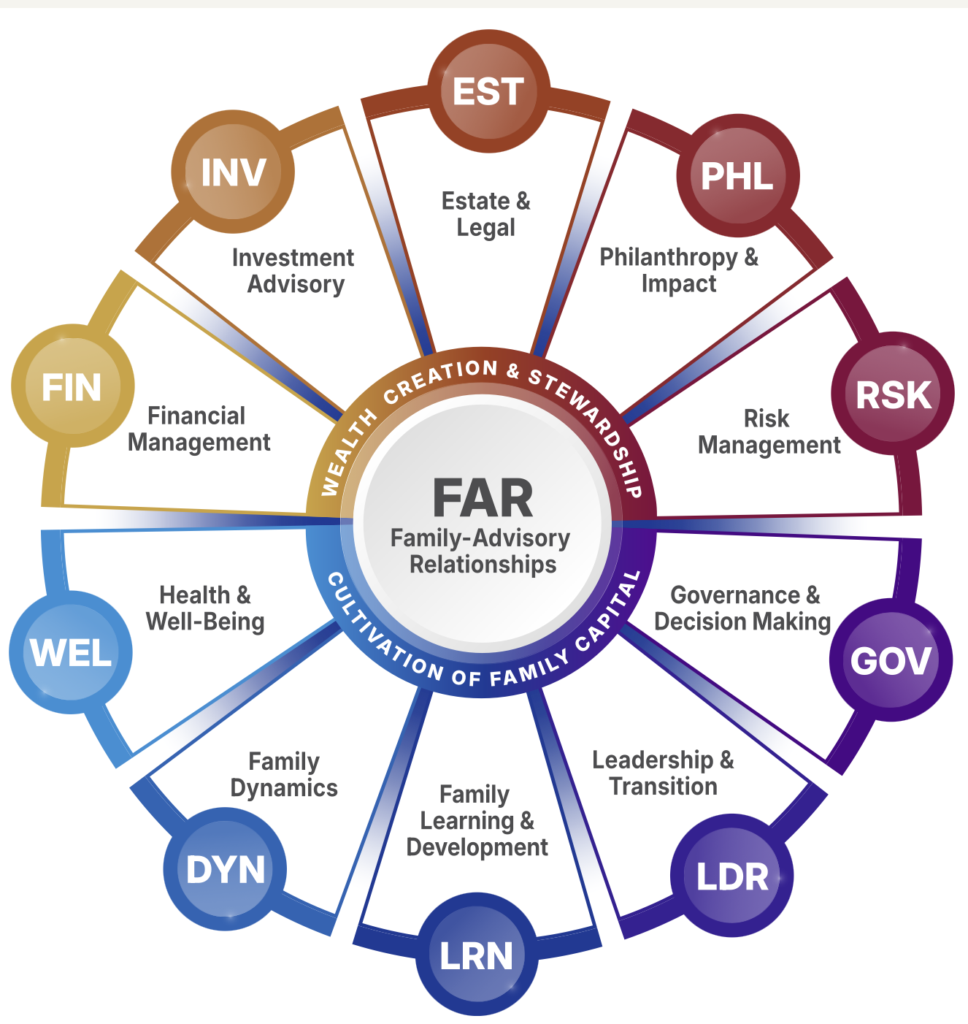
“The Ten Domains of Family Wealth are about client needs; they’re not about the client and they’re certainly not about service offerings,” says Tom McCullough, a partner with Corient in Toronto who also serves as managing director of thought leadership and strategy with the UHNW Institute.
As the Domains have been adjusted over time, what was originally called the “Advisor-Client Relationship” evolved into its current incarnation. “It seems like a small change, but I think it reflects the deep thinking of the institute as we learn together,” McCullough says. “We changed ‘client’ to ‘family’ because it’s not just a single client. In some respects, it’s the most central Domain.”
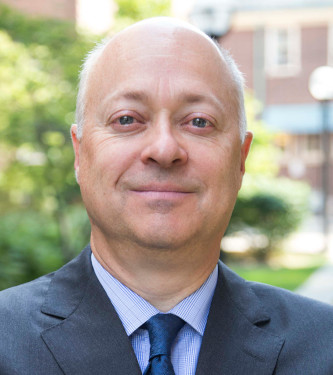
He calls this a “skills Domain” and compares it to the skills of a general practitioner in medicine: “bedside manner, communicating bad news. It’s not like the ‘content Domains’—the medical knowledge.”
Dr. Moira Somers, a founding partner and chief learning officer with Blackwood Family Enterprise Services in Winnipeg, also serves as the UHNW Institute’s Domain chair for FAR.
“In many of the Domains of financial advising or accounting, there’s no requirement that practitioners learn basic skills in relationships and human behaviour. That’s curious, in that we’re dealing with people, families and family money,” she says. “If there’s anything that’s going to engage people—heart, mind and soul—it’s those topics, but practitioners have been left on their own to deal with those things.”
She notes that families also need the skills that cultivate effective advisory relationships: “Nobody teaches you how to hire advisors, how to participate in processes, what to expect. These are things that, as family and wealth situations become more complex, you just can’t take for granted.”
Somers, originally trained as a neuropsychologist, came to her current position with the UHNW Institute through working with the esteemed U.S.-based family-wealth consultant and educator Jim Grubman. Her interest in helping clients and advisors work better together made her a natural fit to join the institute as a faculty member and Domain chair.
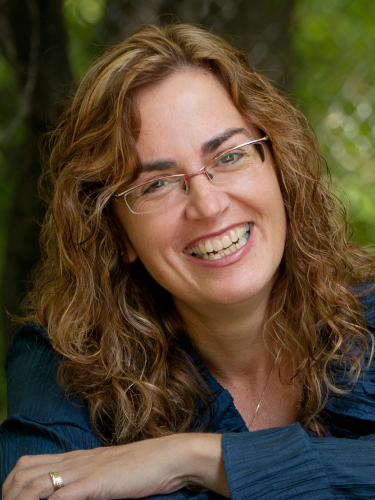
She has trained many advisors on working with the personal side of money and on dealing with situations that frequently arise but fall outside the normal range of advisory experience, such as addictions, dementia, neurodiversity and cultural differences.
Through both her medical background and her work with families, Somers has developed an interest in the factors that either enhance or impede a patient’s or client’s tendency to follow professional advice. That interest led to the publication of her first book, Advice That Sticks: How to give financial advice that people will follow.
“It seems the hardest advice to take is preventative advice—we all want to take advice when our hair’s on fire,” Somers says. “It also turns out that preventative advice is the best. If you can head off a problem before it begins, that’s the best advice.”
Her second book, set for release in the fall of 2026, is The Fault Lines of Finance. Co-written with UK solicitor Philippa Hann, it examines case studies of “advisors who have stumbled or avoided stumbling,” she says. “The Bernie Madoffs, the predators, as well as people who just didn’t know what to do if they’d made a mistake.”
I think veterinarians sometimes get more behavioural training than practitioners in our field do.
Moira Somers
Somers is not the only Canadian working closely with the UHNW Institute. “The more international exposure we get, the better off everybody is,” she says. “The fact is, there are just many more practitioners in the U.S. than in Canada, so we can benefit from the scale that they offer.”
The Institute’s Domain chairs and faculty members are continually carrying out research and creating resources about each of the Domains, much of which is made available to members through a large online library. PAR specialists present master classes on such topics as how to collaborate effectively and deal with conflict within families, which would apply equally to any field, from taxation to philanthropy.
“At the Institute, we’re always trying not just to work within a specific Domain, but to reach across the Domains,” says Somers.
This year, practitioners involved with the FAR Domain have been looking at strategies for running effective meetings, “particularly when multiple stakeholders are involved,” she says. “How do you do that in a graceful and productive way so that the clients are best served?”
They are also developing training resources for advisors who work with clients with various types of learning disabilities or neurodiversity, as well as supports to better equip them to work with modern families, “which include blended families, same-sex families—different expressions of family than have been known before.”
Another current area of study is the challenge of finding purpose for those who have access to an extraordinary level of choice, and upcoming work will focus on behavioural ethics.
“I think veterinarians sometimes get more behavioural training than practitioners in our field do,” Somers says. “We get really focused on the technical side of what we do, and we sometimes lack the personal or relational skills and systems that would allow us to enter a complex family system effectively.”
Just as in the medical sphere, family advising needs professionals who can work with the broadest range of clients.
“If we don’t get this one right, everything else is precarious. You risk missing critical information, not making that generational transfer, getting stalled out on key initiatives that have to happen within the family,” Somers says. “So, the Institute is really going to be devoting more time to training practitioners in the skills, from basic to master levels, within this Domain.”
Sarah B. Hood is a Toronto-based writer and book author. She has served as editor of three national magazines and written weekly columns for the National Post. She also serves on the editorial board of Spacing magazine. She writes frequently on business, urban affairs and culture. As a food writer, her work has been translated into Japanese and Arabic. She has taught writing at George Brown College for more than 20 years.
The Canadian Family Offices newsletter comes out on Sundays and Wednesdays. If you are interested in stories about Canadian enterprising families, family offices and the professionals who work with them, but like your content aggregated, you can sign up for our free newsletter here.
Please visit here to see information about our standards of journalistic excellence.