

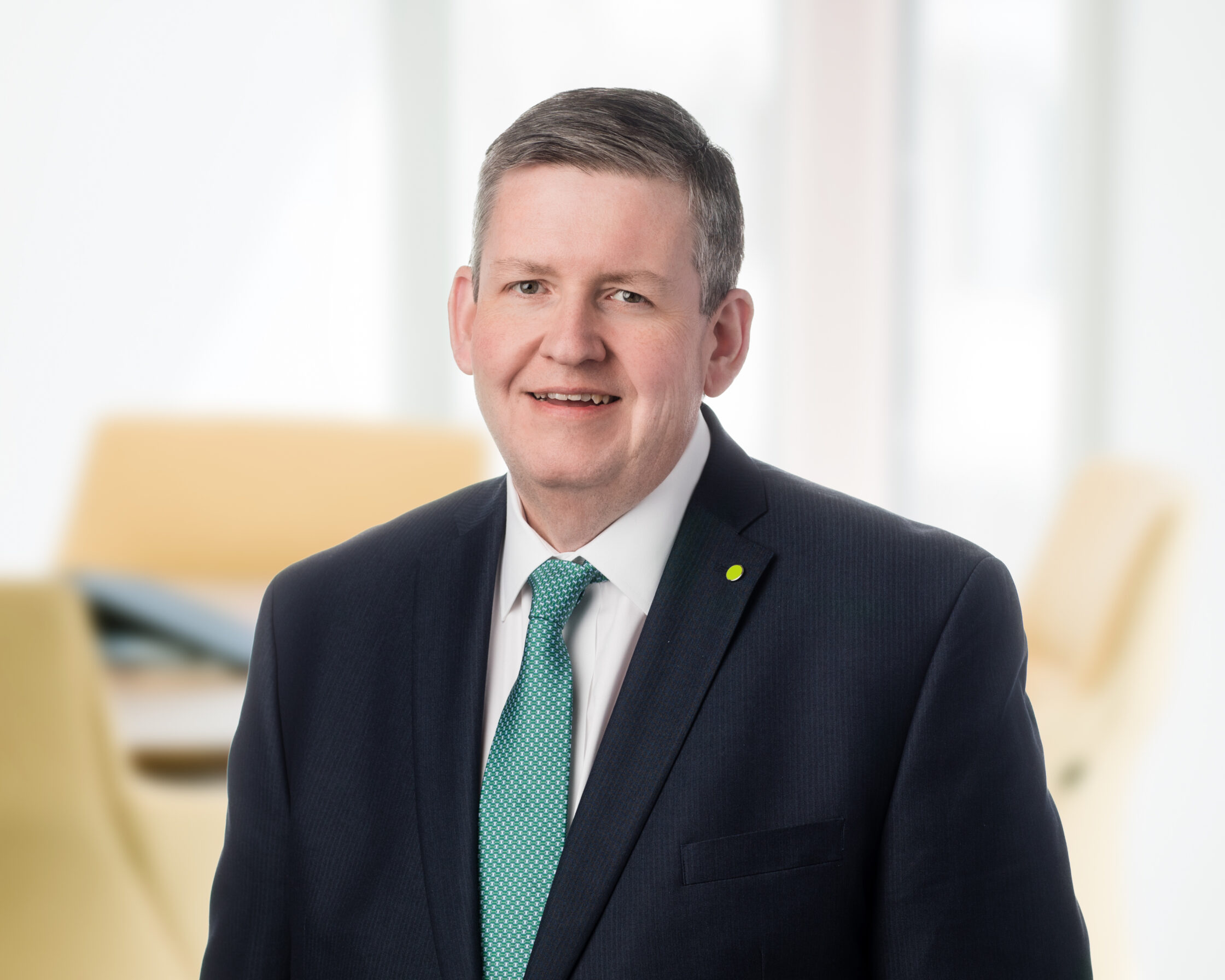
Duncan Sinclair joined Deloitte in 1988 in search of opportunities in an uncertain economy. Mission accomplished: This coming May, he will retire as the longest-standing chair of Deloitte Canada and Chile.
“I never imagined when I started that I would only have one organization that I spent my professional life in, and I certainly never imagined that I would get to the level that I’ve gotten to,” Sinclair says. “Quite honestly, it’s been a great career.”
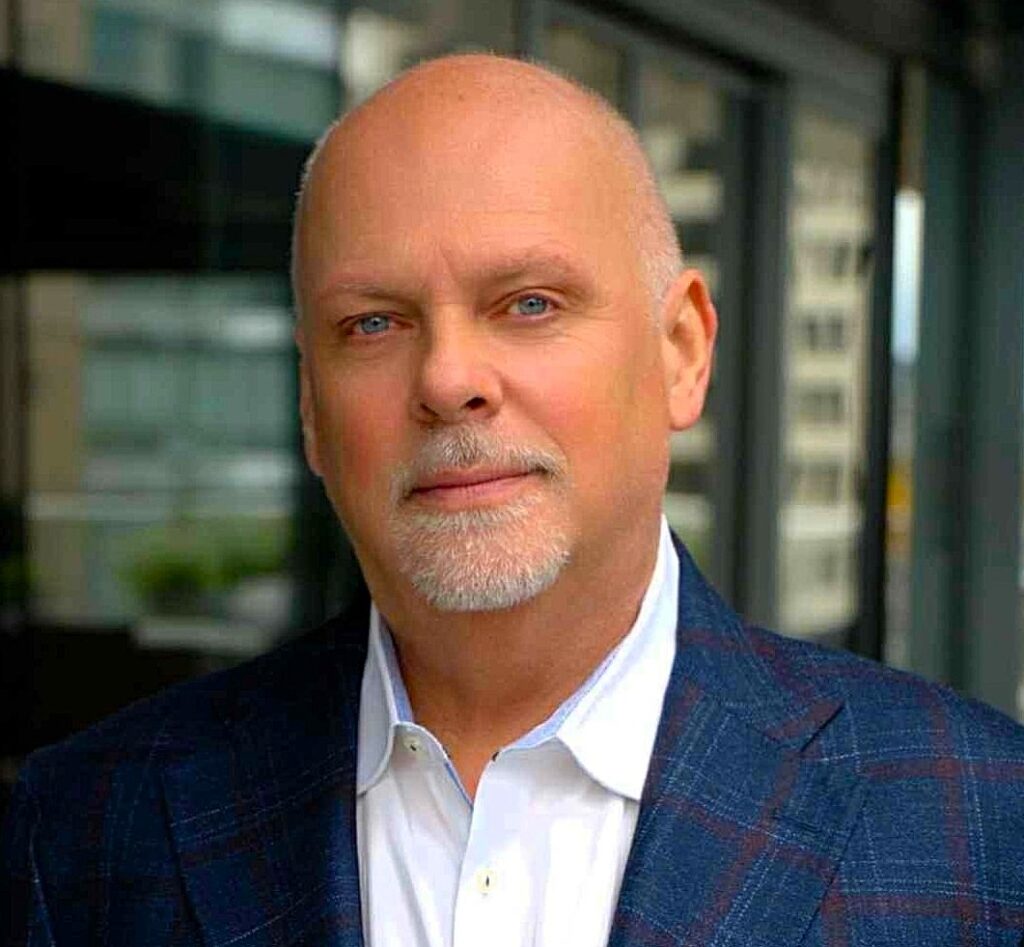
Indeed, many of his industry peers describe his work in glowing terms. “Duncan’s career personifies authenticity and true professionalism, and I am honoured to know him,” says Thane Stenner, founder of Stenner Wealth Partners+ at CG Wealth Management and chairman emeritus of Tiger 21 Canada. “As family wealth becomes more complex and transfers across generations, governance, education and thoughtful planning become increasingly important. Duncan’s work reveals why many families are turning to more institutional approaches, including family offices and dedicated advisory teams, to support long-term success.”
Opportunity in challenging times
Sinclair, 59, was born and raised in Edmonton, living through the oil boom of the 1970s and then watching as the provincial economy suffered through the 1980 National Energy Program. Attending the University of Alberta in the 1980s, many of his fellow students were workers from the oil patch in search of new careers.
“When you’re in a deeply recessionary economy, the focus is on, ‘Okay, where will the opportunities be?’” He pursued a Bachelor of Commerce degree “because I wanted to understand how the world of business worked,” and there were companies looking to hire new grads from the program.
Upon joining Deloitte, Sinclair spent three years articling for his Certified Public Accountant designation, and doing a variety of accounting, audit, tax and advisory work for privately owned businesses, public companies, not-for-profits and government organizations.
The attraction of articling at Deloitte was that it would help him gain practical experience in diverse industries with different sizes and ownership models. “It was a good place to learn about the practicalities of business, and at the same time gain additional professional experience and qualifications,” he recalls. “There was no grand master plan for me to spend my professional life in one organization, it’s just the way it worked out.”
Sinclair worked with Deloitte on the privatization of Alberta’s telephone system, which created Telus, and dealt with a range of private businesses, many of them family owned, as Deloitte evolved into a professional services firm. He increasingly led teams of people and engaged more directly in understanding the needs of clients, the challenges they faced and the capabilities they needed to move forward.
As he progressed through different levels within the organization, “I had the opportunity to support a diverse group of clients and be curious about them and interested in what they wanted to do and where they wanted to go,” Sinclair says.
From partner to chair
After 10 years he became a partner of the business and took on increasingly larger client responsibilities and more complex assignments. In 2001 he began to hold various management roles in the firm, from leading the audit practice in northern Alberta to serving as regional managing partner in British Columbia. He then became Deloitte Canada and Chile vice-chair, and in 2018 was elected Deloitte’s chair of Canada and Chile. The countries are combined into one member firm because of the similarities in their economies and similar values with respect to education, rule of law and business practices, he explains, and Canada is the largest source of foreign investment in Chile.
If you never sit down, others don’t get the chance to stand up, and that’s another important part about how you balance engagement and activity and legacy.
Duncan Sinclair
Today that firm is a $4 billion organization with more than 15,000 staff, while Deloitte globally is a $75 billion organization across 150 countries with 525,000 people working for it. Sinclair is also a deputy chair of the Deloitte Global Board, where he serves on the stewardship committee and the remuneration committee for executives, and he previously chaired the risk and ethics committee.
As chair of Canada and Chile, his responsibilities revolve around governance. “What is the organization we’re building over time? How are these decisions we’re taking today going to impact the firm we’re handing over to future generations? What are some of the broader implications to our brand in the individual choices that we make? And how do we continue to position ourselves to respect the legacy of the organization we have?”
He plays an important role with respect to Deloitte’s brand in the marketplace, from fostering relationships with individual clients to driving and growing its brand across different groups of influencers.
He especially enjoys the time spent connecting with and supporting Deloitte partners as co-owners of the firm. “It is an all-encompassing role and an absolutely more than full-time job, but it’s also a profound honour to have been elected into that role and to serve in this group,” says Sinclair, who particularly resonates with family firms.
The family values behind a global firm
“Deloitte is a family business, but we’re not a family that’s brought together by our blood, we’re a family of 600 owners that are brought together by our beliefs,” he comments. “When you want to understand the difference between a partnership of scale, which we certainly are, versus a corporation, it is that sense of shared commitment, shared responsibility and shared connection that’s deeper than just a commercial transaction.”
Any professional advisor who wants to go in and actually try to serve the uniqueness of a family has to be prepared…not to tell people what the answer is, but to be very sensitive to the implications of their choices.
Duncan Sinclair
That’s effective in serving family businesses in Canada, where much of the private-sector economy is driven by small and medium-sized enterprises that are privately owned, largely by families or groups of families, and there are large businesses controlled by ownership groups connected back to families, he notes. “It’s in the integration of understanding the family and their values and their concerns and their issues, and how they think about what they’re wanting their businesses to achieve, and how that’s accretive to the brand of the family, that is, I think, a unique aspect of serving any family business.”
These services include the core offerings that Deloitte has delivered for 180 years, like accounting, audit and tax, he points out, as well as work in strategy, risk, mergers and acquisitions and technology advancement. “This is the breadth of what we do, and how we support people, and understanding the nuance of how different families will think about what they want to achieve is a very important part of that.”
The changing needs of family businesses
Sinclair has seen “businesses grow and evolve, and as the complexity of how business gets done evolves, family businesses are very much wrapped up in that,” he says. This includes the use of technology “as a source of competitive advantage, at the core of the business, not some tangential cost that I have to incur,” he says. Such firms are also concerned about “the geopolitical uncertainty we live in and how does that impact the family in the broadest sense?” And there’s “the sheer reality of the scale of wealth transfer that continues to move generationally in families.”
He says companies like Deloitte are critical to this evolution. “You need good professional advice from many people around all of it,” he says, noting that it’s also key for high-net worth people to think about their overall objectives around wealth. “When we have wealth beyond anything that anyone’s ever imagined, what do we do with that? What are our values? Are we philanthropic? Are we really entrepreneurial, where we want to go out and experiment in different businesses?”
Sinclair has seen families work their way through that discussion and has watched the evolution of family offices as they “professionalize the notion of the management of family wealth, separate from how the businesses the family owned that were generating that wealth were managed.”
He says it’s important for companies like Deloitte to support this. “All advisors have to quite intentionally understand the needs of their client and bring good professional advice based on experience, not to do the work for clients but to help clients think through the kind of questions that will be important for them to have the kind of organization that they want to have.”
“Any professional advisor who wants to go in and actually try to serve the uniqueness of a family has to be prepared to have those kinds of conversations, not to tell people what the answer is, but to be very sensitive to the implications of their choices,” Sinclair says. Over the decades Deloitte has therefore broadened its footprint, he says.
Lessons in courage and leadership
In 2016 Sinclair established Deloitte’s Future of Canada Centre, which is responsible for its thought-leadership and public-policy positions. He’s inaugural dean of Deloitte University North, which focuses on leadership development at Deloitte Canada and Chile, and for seven years he’s been host of “Courage Incorporated,” a podcast in collaboration with The Walrus Lab where he speaks to top business leaders across Canada.
“When I became chair, I said I’m going to start to talk to people about courage, not as some academic theoretical exercise, but I’m going to interview people, and through their life stories and their perspectives on the issues that they were facing, illustrate what it meant to demonstrate courage in the way that a particular leader or organization was trying to show up in whatever it was that they did,” he explains.
He says there’s been “a humility and authenticity of the people that I’ve interviewed around recognizing the importance of what their organization was trying to contribute to Canada.” He feels the series has brought “an overall observation and study around leadership,” with the guests offering perspectives and some of the insights they’ve realized in their careers and which members of the audience can “take forward in their own reality.”
A future shaped by people and technology
What does Sinclair see in the future for Deloitte and the professional services industry in general? “I think all organizations, including mine, are going to have to continue to look at the integration of people and technology, and how technology continues to help you to be more productive,” he says.
While there are many “people that want to catastrophize” about artificial intelligence making humans redundant, “I don’t believe any of that,” says Sinclair, pointing out that similar fears were expressed in the dot-com era, but they never materialized. He feels the same will happen with AI. “It will take on a lot of routine work that humans still have to do today, and I think it can actually liberate people to find more interesting work to do.”
Sinclair feels it’s time for him to leave the public stage. “I think each one of us gets our time and our moment to do things. I also think if you never sit down, others don’t get the chance to stand up, and that’s another important part about how you balance engagement and activity and legacy.”
Today he calls Vancouver home and says his own family “has been incredibly patient as I’ve put this level of energy into my professional life.” He’s looking forward to “letting them have a bigger voice in how the next chapter of my life evolves.”
Mary Gooderham is a writer, editor and communication advisor based in Ottawa. She leads Cohen Gooderham Communications and has worked as a journalist for more than 40 years at The Globe and Mail, as a recording officer at the International Monetary Fund and as a custom content creator for online and print media. She’s been a contributing writer at Canadian Family Offices for four years, focusing on investment strategy, trusts, philanthropy, women in finance and estate planning.
Please visit here to see information about our standards of journalistic excellence.