
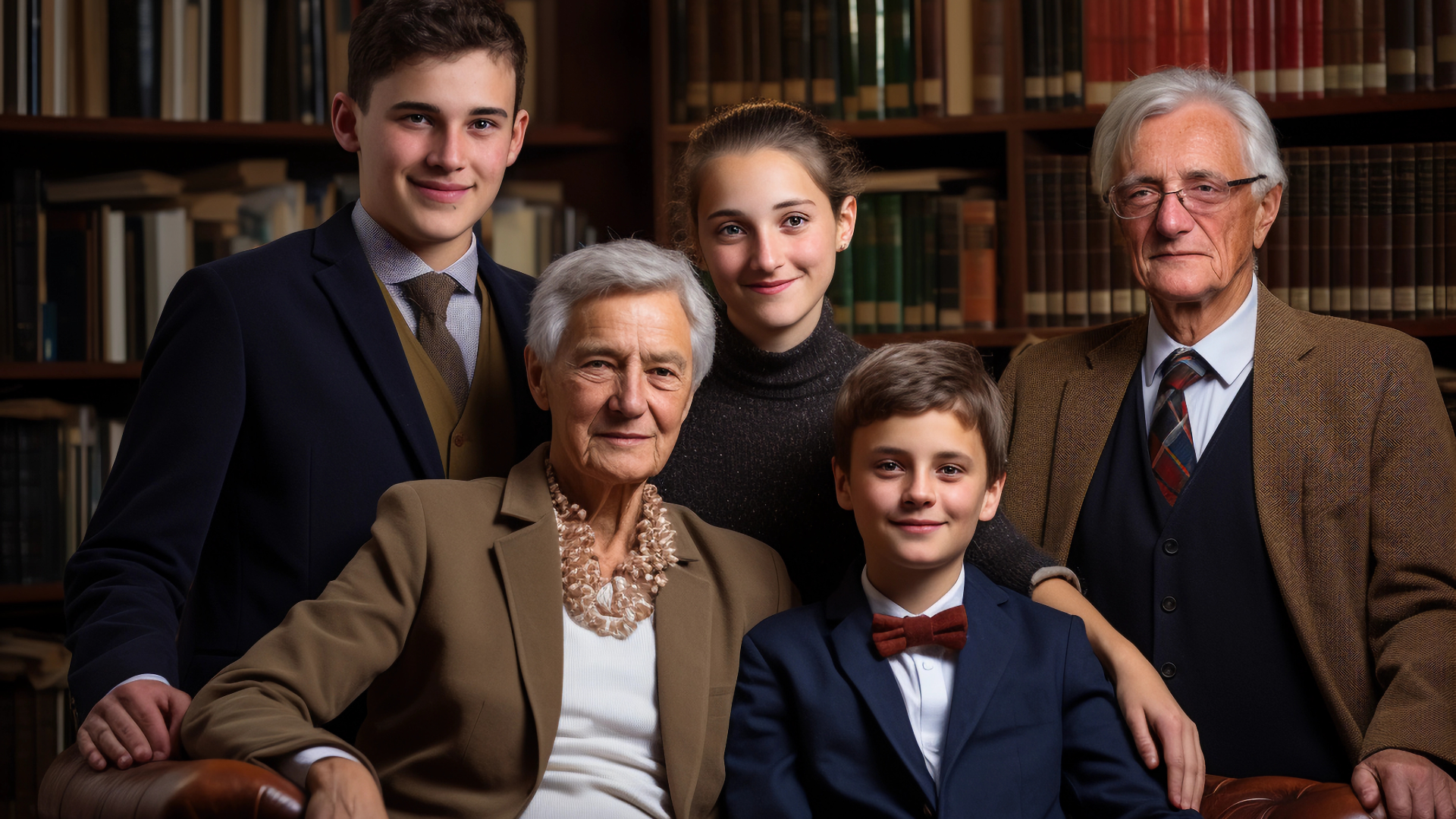
It is the long goodbye that quietly imperils a family business: the aging patriarch or matriarch who has built something remarkable—and simply cannot let it go. Yet it’s a scenario that plays out in roughly half of business succession cases, according to Thane Stenner, founder of Stenner Wealth Partners+ at CG Wealth Management and Chairman Emeritus of Tiger 21 Canada, an ultra-high-net-worth investor peer network.
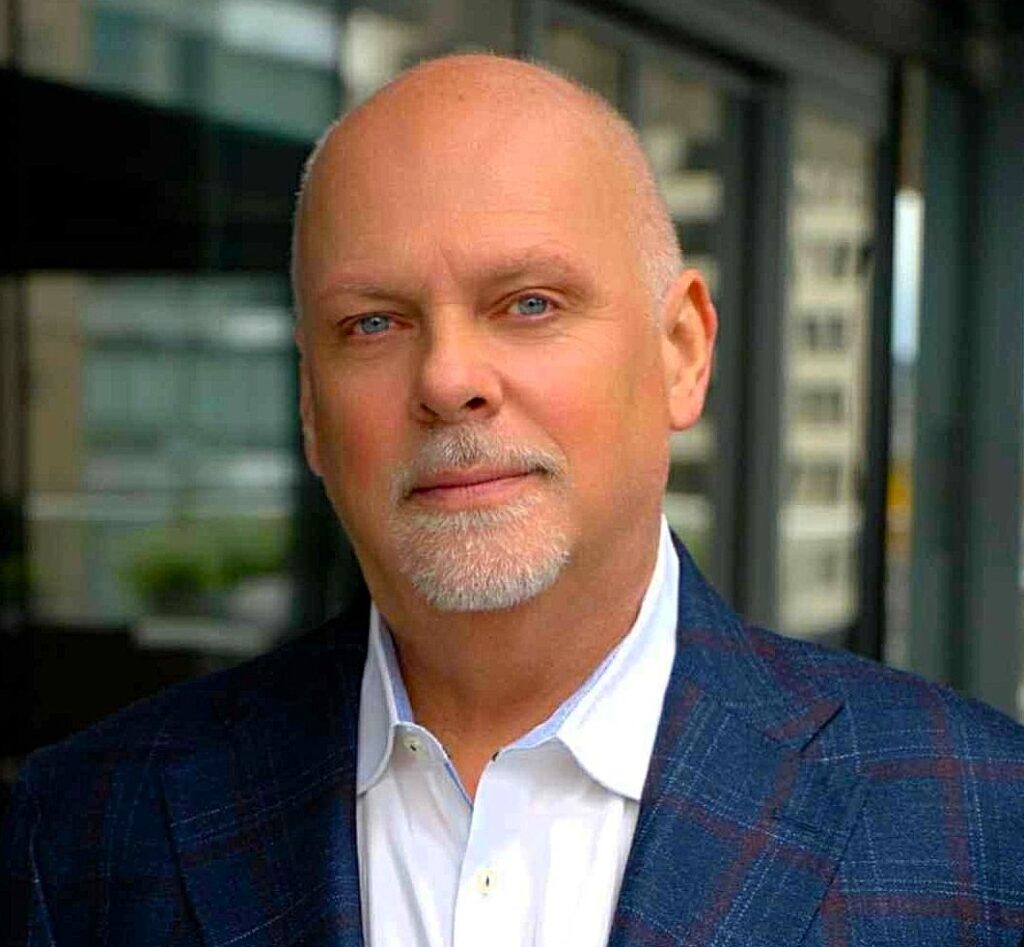
He previously held award-winning consulting roles at Morgan Stanley/Graystone Consulting, while based in California as Managing Director, International Client Advisor, Institutional Consulting Director, Alternative Investments Director and Portfolio Manager. He also hosts “Smart WealthTM with Thane Stenner,” a podcast produced by BNN Bloomberg Brand Studio.
Why founders hold on too long
A stalled transition can fracture relationships, stall a thriving enterprise, and leave the next generation waiting in the wings without a clear mandate. Stenner, who advises ultra-high-net-worth families, entrepreneurs, and institutional clients across Canada, the U.S. and internationally, says holding on too long is often the flip side of an entrepreneurial mindset. Founders who have spent decades building a business often find it genuinely difficult—and deeply emotional—to step away when the time finally comes.
It’s part of their purpose, it’s their life’s work, it’s their baby. And that’s normal. They go through the trials and tribulations of the business, and they feel this strong attachment to it.
Thane Stenner
That attachment runs deep because, for many founders, the business is their identity. With few interests outside the company, the prospect of stepping back can feel like stepping into a void. “A lot of entrepreneurs who stay on too long haven’t developed many other interests,” says Stenner. “They think: ‘If I hand over the reins of the business, what am I going to do?’”
Compounding the problem, business owners often underestimate the next generation, failing to recognize the value of fresh perspectives and new approaches—and the simple advantage of higher energy. The result is a founder who struggles to trust their children to lead.
Others delay for financial reasons, or because they’ve never taken the steps needed to prepare the “Next Geners” for a handover.
“Maybe they haven’t mapped it out very well or engaged third-party consultants or advisors who can help coach them through a transition,” says Stenner. “So, it’s tricky.”

Starting the conversation
This is where family office advisors earn their seat at the table—prompting the difficult but necessary conversations by asking thoughtful, probing questions about the future.
Stenner recalls a discussion with a strong-willed business owner who had achieved tremendous success but kept postponing updates to his will. “I remember saying to him, ‘Do you want your kids to hate you?’” he says. “I did it firmly, but with a smile, because I knew him pretty well. He said, ‘Well, no, of course not.” That single question prompted the owner to confront the issue and begin making real decisions about the future of both his estate and his business.
For Stenner, this is the advisor’s core responsibility: to ask the right questions, ones that uncover a founder’s concerns, clarify their wishes and ultimately help shape a successful succession plan. And given how sensitive these discussions are, the best advisors know when to bring in outside expertise.
“I’ve facilitated a lot of family meetings in my career, and what I’ve been doing more and more lately is bringing in a third-party consulting or advisory group,” he says. “This family advisor can focus on the family roadmap, the sticking points and the issues that can really derail the family, without creating friction with my team.”
The value of an independent facilitator extends well beyond the patriarch or matriarch. Crucially, that advisor can also build trust with younger family members who may feel their concerns were never fully heard by the advisors their parents originally hired.
Stenner believes family office advisors should create a safe space for the next generation to speak openly—about their relationship with the family’s wealth, their aspirations for the future, and the ways they hope to contribute, whether through the business, capital stewardship or philanthropy.
“I think the next generation will see: ‘Mom and Dad’s current advisors are trying to help me too,’” he says. “At the end of the day, that’s really powerful.”
Why solid family governance is the foundation
Stenner has worked alongside a handful of exceptional family office advisors who specialize in mapping out these roadmaps—a process that typically unfolds over 12 to 24 months. Among them:
- Carolyn J. Cole: Founder, Cole & Associates
- Judi Cunningham: Founder and managing partner, Trella Advisory Group
- Michelle Osry: Partner and practice leader, Deloitte Canada
- Patricia Saputo: Co-Founder and executive chairperson, Crysalia Inc.
Often, Stenner notes, the breakthrough comes once the advisor charts an educational path for the younger members of the family. Seeing a credible plan take shape, the patriarch and matriarch begin to feel confident that succession can actually move forward. “That’s where the hesitancy of the handover falls down a lot of times,” says Stenner. “Now they have a real game plan they have to execute.”
In the end, he says, it all comes down to solid family governance. “The facilitators, they have to be exceptionally good, and they have to have courage to ask certain questions to really get things on the table,” he says. “Lastly, they have to make the learning path ‘entertaining’ as well.”
Follow Thane Stenner and Stenner Wealth Partners+ on LinkedIn.
Thane Stenner Interviews/Articles, Member of Canadian Family Offices.
About Stenner Wealth Partners+
Stenner Wealth Partners+ (SWP+) is an in person/virtual Multi-Family Office/Outsourced CIO Consulting team of financial/wealth specialists with a boutique approach and global perspective. SWP+ serves Canadian and US investors/households with generally a minimum of 10M+ in investable assets (or 25M+ net worth). As a CG Wealth Management team, SWP+ is a highly exclusive practice team with one of Canada’s largest independent wealth management firms. Client Range of Net Worths: between $25M To $3B+. They strategically limit new client engagements, onboarding a select number of new key relationships annually to ensure a highly personalized and focused approach. SWP+ is a member of Canadian Family Offices.
Disclaimer: This story was created by Canadian Family Offices’ commercial content division on behalf of Stenner Wealth Partners+ at CG Wealth Management, which is a member and content provider of this publication. CG Wealth Management is a division of Canaccord Genuity Corp., member of CIPF and CIRO. Tax & Estate advice offered through Canaccord Genuity Wealth & Estate Planning Services Ltd. Thane Stenner’s views, including any recommendations, expressed in this article are his own only, and are not necessarily those of Canaccord Genuity Corp.