

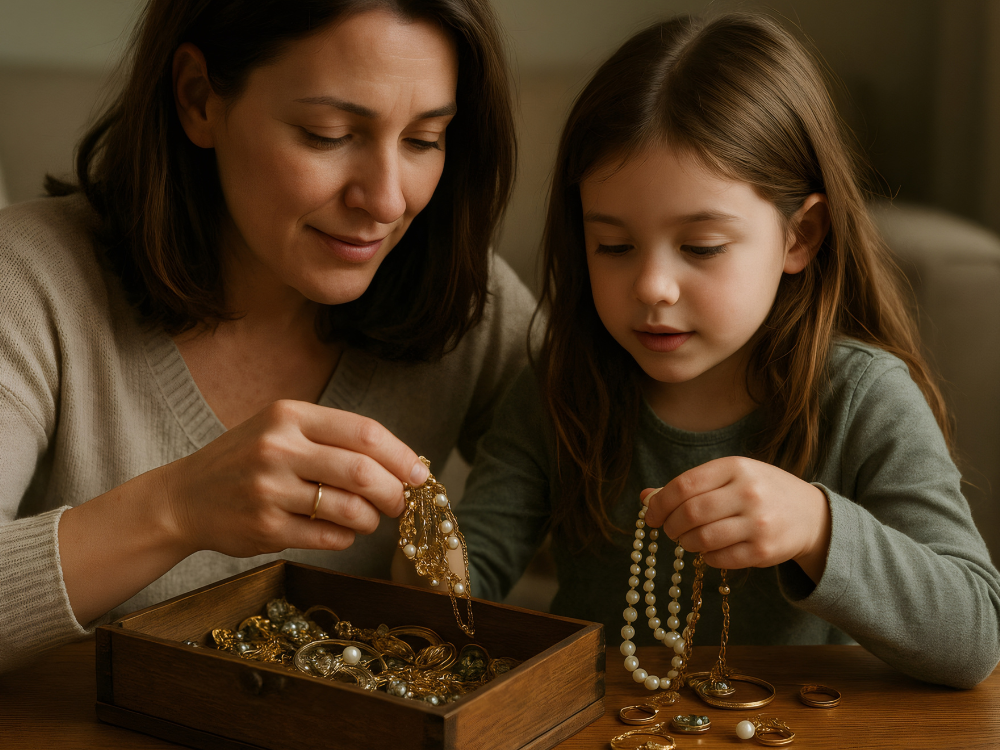
While big-ticket items such as cottages, cars, recreational vehicles and investments are often the focal point in a family’s will, it’s the smaller things from jewelry and paintings to handbags and sentimental goods—that often lead to estate litigation.
And it shouldn’t be that way, says Lindsay Hollinger, vice-president and co-founder of Granite Family Office, a multi-family office in Montreal.
“Wealthy families get very preoccupied with actual numbers, portfolios, the wealth,” she says. “Underneath it all, what it’s really about is emotions, meaning, relationships and memories.”
But that side of estate planning is more complicated and more uncomfortable, says Hollinger. And it’s for that reason that advisors need to start conversations with families that many prefer to avoid, preventing unpleasant and costly surprises down the road.
Hollinger says that often founders of businesses honestly believe that fairly splitting all of their larger assets will prevent family conflicts. But in reality, their children may place a higher value on objects that aren’t investments and major real estate holdings—and they may feel like the division isn’t equitable if these items are left out of the will.

Too often, how parents imagine their children will inherit their assets end up being just that: imaginary.
“Maybe the parents dream of the kids sharing the country house for years to come, but that makes no sense for the kids,” she says. Instead, they’re after Dad’s comfy wingback or an antique lamp.
Charting a new path
This is why planning with consideration for the relationship between the beneficiaries is paramount, says Holly LeValliant, estate and trust consultant at Scotiabank in Toronto. She says blended families, estrangements and difficult relationships between beneficiaries can trigger disputes over these “softer” assets.
Start the conversation. To avoid misunderstandings, Hollinger says that family office advisors should act as catalysts for serious conversations around estate planning—or rely on the expertise of members of STEP Canada, a network of trust and estate practitioners.
They can be brought in to advise founders, as well as the next generation, to have concrete and honest discussions about their values. This ensures that everyone feels “seen” and can articulate what value they place on a variety of assets, she says.
Imagine the future. Next, advisors should have family members discuss how they see the future—what that will look like and how the assets will be divided and used by family members. These candid chats can highlight if a family member will use the family cottage, utilize foreign property, or if they prefer to be compensated with other, smaller assets, in lieu.
Hollinger says this deep dive can usually yield surprising emotions, such as an attachment to a particular painting or piece of jewelry. And if this item isn’t mentioned specifically in the will, it could end up being divided among the family as part of the distribution of larger assets, for example the house that houses a cherished artwork.
Underneath it all, what it’s really about is emotions, meaning, relationships and memories.
Lindsay Hollinger, Granite Family Office
Select an executor carefully. LeValliant says that the selection of an executor should also be made during these conversations. “The testator’s choice of executor would be important because someone with expertise should manage an estate with assets such as these,” she says.
“The executor has a duty to maximize the value of the estate, so they need to have the required knowledge about the particular asset to properly manage the estate.”
Draw up rules. Another approach to preventing conflict is to have rules around how an asset—such as a family cabin will be used, says LeValliant. This might include setting up a trust with rules in the will around its use, such as a schedule to determine who uses the property at what time, a list of costs associated with its upkeep, and who will pay these fees going forward.
Ensure there’s liquidity. She says one final consideration for advisors is to ensure there’s more than enough liquidity in the estate for dependents, to prevent the sale of asentimental asset to pay taxes. “Strategies to increase the liquidity of an estate may include insurance policies or strategic philanthropic gifting,” she says.
In a worst-case scenario of estate litigation, third parties can help settle disputes, says LeValliant. “In high-conflict scenarios, there may be perceived unfairness between beneficiaries, and the trickiness can lead to will challenges or actions,” she says. In some cases, hiring a corporate executor to act as a neutral third party to administer the estate can avoid issues.
All in all, a family office advisor can play a critical role in ensuring a founder’s wishes are carried out, family members’ wishes are heard, and smaller assets are taken into consideration.
“The hope is that it opens up more meaningful dialogue,” says Hollinger. “We should not gloss over these sorts of things.”
Anna Sharratt is a business and health reporter and editor with more than 20 years of experience. Based in Toronto, she has written for Canadian Family Offices since 2021. A regular contributor to the Globe and Mail, she has written for Inc.com, Forbes, Business Insider, Canadian Business, MoneySense, the National Post, The Toronto Star and other publications. She is the former managing editor of smallbiz.ca, health editor of Chatelaine and senior health writer for the CBC.
The Canadian Family Offices newsletter comes out on Sundays and Wednesdays. If you are interested in stories about Canadian enterprising families, family offices and the professionals who work with them, sign up for our free newsletter here.
Please visit here to see information about our standards of journalistic excellence.