


While there are the certainties of death and taxes, there’s one other hard reality about estate planning: an unprepared heir will not be a very good heir.
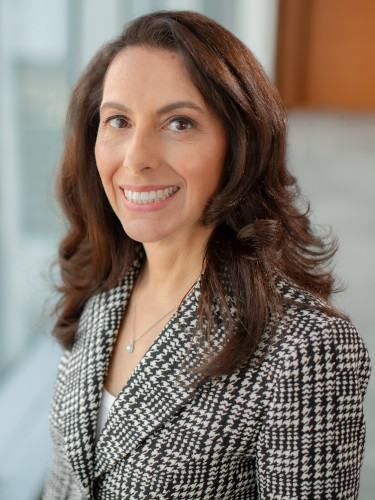
That’s according to Tina Di Vito, head, family office services, at First Affiliated Holdings Inc. in Mississauga, Ont. “I’ve been working with clients on their estates and their estate planning for a ton of years, and it never seems to end because death and dying is not something people really want to think about ahead of time,” says Di Vito.
Of course, that reluctance can have dramatic effects on finances and families once death and dying inevitably arise. In families, emotions often run high even when the stakes seem low. Di Vito has seen and heard of lawsuits over a mere $50,000 in an estate; she has witnessed families torn apart over sentimental items like parents’ wedding rings.
If someone dies intestate—that is, without a will—a few things will happen. The deceased’s assets are frozen, which means spouses and children can’t access bank accounts, especially if their names aren’t on them. As a result, they typically have to use their own money to pay bills for months until the issue clears the courts.
The complications go well beyond money. If the deceased had minor-age children and had not made provisions for them, the courts will decide who raises them. If business control and/or ownership rested with the deceased and there is no transition plan, its reputation and share prices may be temporarily or permanently damaged.
Let’s start with an emergency plan. You’re not here tomorrow—what’s going to happen?
Russel Baskin
On top of that, the provincial government decides how assets get distributed, which may not be in the way the deceased wanted. That means charitable donations or common-law partners, for example, may not get what you planned to leave to them.
For family advisors, it’s important to have the often uncomfortable but necessary conversations about preparing for the death of the leader of the family—not only to ensure the leader is one of the only 43 per cent of Canadians who have a will , but also to make sure that when death occurs, business, family, legacy and personal concerns are addressed.
Confronting fear of loss—and loss of control
How should advisors initiate this often difficult process? Don’t jump into a conversation that starts with a client’s presumed death, experts advise.
Russel Baskin, family business consultant and coach at Trella Advisory Group, based in Toronto and Vancouver, says that it’s not only because family leaders don’t want to face death. It’s also about being sensitive to their fears of handing over control.
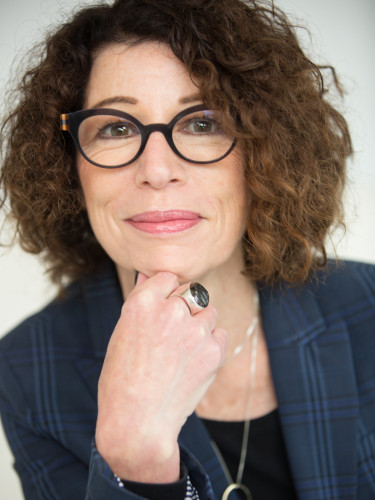
“They don’t want to face any kind of push to exit or retire or step back or hand over control,” she says. “But being a business owner, or in control of a large amount of wealth, however that’s structured, they would understand and be more open to ‘Let’s start with an emergency plan. You’re not here tomorrow—what’s going to happen?’”
Michael Louie, CPA, a partner principal at Vancouver’s D&H Group, prefers a gentle approach because not everyone is ready to face their mortality. He will introduce the topic of future planning for death by mentioning that he heard that someone else is going through a health scare.
“The readiness aspect is the way I approach it,” he says. “Are you ready for the unexpected?” He describes it as providing an ‘amuse bouche’ for the family to think about and then giving options for what they can do.
Baskin says that one way of starting the conversation is to get the wealth creator to think about what they’re going to do if something happens to them and ask them if they have plans in case of an emergency. As odd as it sounds, it’s much easier for the wealth creator to think through an accidental scenario—say, getting hit by a bus tomorrow.

Focus on the details of assets
Once the client is receptive to planning, one of the first things to do is to get a detailed list of all their assets, says di Vito. Because so much documentation is now digital, this is not always a simple task.
“When I say detailed,” she explains, “it’s bank account information, advisor information, insurance information—like, where’s the policy? Let’s take a copy of it. Who’s your agent? Where are all of your assets?”
Part of detailing assets is also documenting items that don’t have paperwork attached to them, such as private investments, which often don’t provide statements. Surviving family members are left trying to locate all these assets but are often missing important information and can’t expect to wait a month or two for a paper statement to come in the mail. Di Vito says that’s why it’s important to keep a list of assets, even if you’re not quite ready to do a will and estate plan.
“I think that’s kind of the starting point,” she adds. “Where is everything? And if you’re not here for me to ask, who do I call, who do I contact?”
Transgenerational transfers need to be considered, too. With a family business, the intent is often to leave it through the bloodline, says Baskin.
“Some of the value will be left to spouses and in-laws, but as to who is going to manage and run that company upon the person’s passing or retiring, that needs to be done with the best interests of the business,” she adds. The person “you’re married to may not be the best person to run it.”
Communication is the key
This is where it’s a good idea to start financial literacy or family treasury meetings that include the next generation, says Di Vito. She says parents are often the glue that holds families together, so the family treasury meetings allow the next generation to practise decision-making together.
No matter how you approach the conversation with clients, couching it in preparation, being empathetic and framing the discussion as wanting to make the transition easier for their children are important steps. “Everybody knows what is going to happen, and also that you’re directing where it’s going,” Baskin says, “because you don’t have control if you don’t have a will and a plan.”
Renée Sylvestre-Williams has written for Canadian Family Offices for three years. She is a Toronto-based journalist and content strategist with more than 15 years covering personal finance, insurance, taxes and investment. She has written for the Toronto Star, the Globe and Mail, WealthSimple, MoneySense and The Walrus. She is a COPA winner, editor of The Budgette (a newsletter focused on finance for solo earners), and the author of the book The Singles Tax (January 2026).
The Canadian Family Offices newsletter comes out on Sundays and Wednesdays. If you are interested in stories about Canadian enterprising families, family offices and the professionals who work with them, sign up for our free newsletter here.
Please visit here to see information about our standards of journalistic excellence.