


It’s not unusual for affluent families to spend months planning investments, succession and taxes. But one of the most meaningful parts of their wealth—how they’ll use it to improve the world—can often get squeezed into year-end giving.
Philanthropy experts say there’s a better way: treating philanthropy not as a year-end obligation, but as a thoughtful expression of family values and an essential part of family governance. Done well, philanthropy can help families create an impact that lasts beyond their own lifetimes, while deepening family relationships, and passing on values to the next generation.
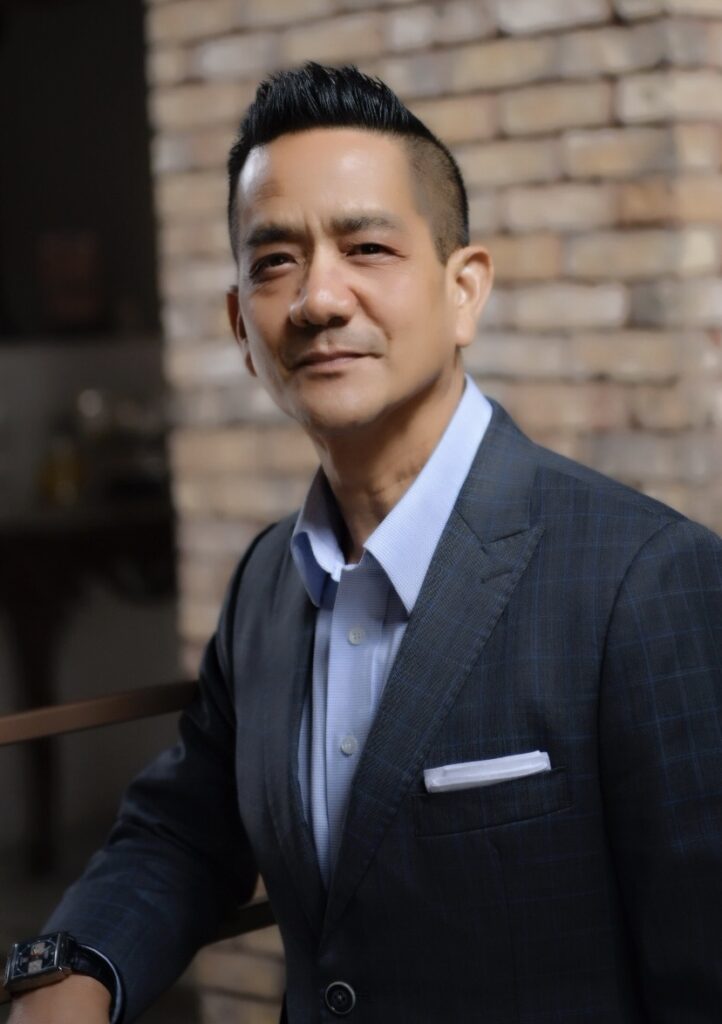
The process begins with a conversation about values and priorities. Toronto-based philanthropy advisor, Paul Nazareth, says too many families treat giving as a financial transaction instead of a values exercise.
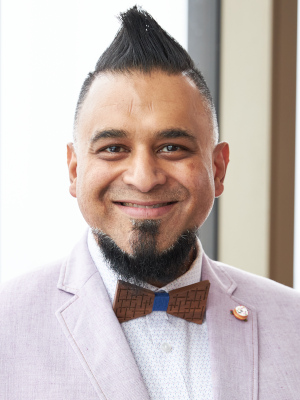
“They ask questions like, ‘Where are we going to have the gala dinner?’ and ‘When can we talk about the golf tournament?’ What they really need to do is sit down and talk about this: ‘What do we believe? What do we care about?’”
That conversation should come before tax planning, not after. Tax planning remains an important part of effective philanthropy, but advisors say it should be a tool to support a family’s goals—not the starting point for defining them.
Gena Rotstein, co-founder and philanthropy advisor at Karma & Cents, a Calgary-based philanthropy advisory and consulting firm, says philanthropy sits at the intersection of values and emotion. She says philanthropy may involve a financial transaction, but the motivation behind giving is much deeper.
“People don’t make a donation to get a tax receipt,” she says. “The dollar amount may be motivated by a tax receipt, but the actual motivation to give is not a tax motivation. Philanthropy is a financial transaction based on emotion.”
Once families have done the work to understand what they hope to accomplish, then they can begin talking about structures and tax strategies. Rotstein says too many affluent families jump straight to establishing a foundation without first deciding what kind of impact they want to have. Private foundations can be powerful tools when they align with a family’s goals, but Rotstein says they should not be the default starting point.
“Maybe what you want to accomplish doesn’t need to be in a corporate structure or a foundation,” she says. A family passionate about access to housing could invest in building affordable housing units, rather than simply making charitable grants.
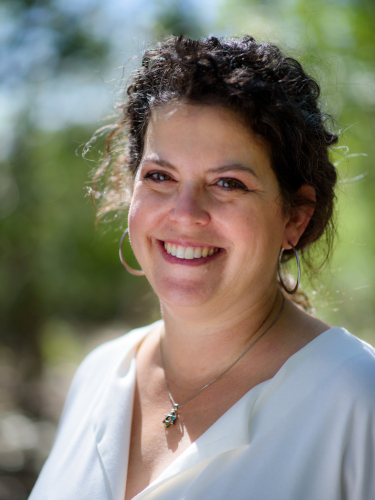
“Don’t just make a donation. If you care about housing, buy the housing,” she says. Rotstein is passionate about this kind of giving, saying high-net-worth families are uniquely poised to make a difference in their own communities by focusing on outcomes rather than just funding organizations. Whatever the goal, she says the best results are driven by a well-planned philanthropic desire to create change, not a quest for a juicy tax receipt.
“The tax advisor is going to tell you what you owe,” says Rotstein. “Let’s know ahead of time what you want to accomplish, so that you can plan for the taxes and also achieve the social impacts.”
That shift in thinking changes philanthropy from a year-end transaction into a long-term strategy. It’s something families discuss at meetings and around the dinner table, not just when they sit down with a year-end financial advisor.
This kind of planning does take time—but taking time is the point. Instead of responding to year-end fundraising appeals, families can take time to research organizations and get to know what they really do. They can even visit projects, meet leadership teams and discuss priorities as a family. They can also revisit those decisions as family circumstances and community needs evolve.
Philanthropy should be interesting. It should be intellectual. It should scratch your brain. It should feed your soul.
Paul Nazareth
Nazareth encourages families to “give themselves permission to quiet down fundraising and look in their heart, and then use their mind to give.” His advice reflects a broader cultural shift advisors are noticing, away from reactive charitable giving toward philanthropy that’s intentional, strategic and rooted in a family’s shared values. That shift is being propelled by growing expectations for transparency and a desire for meaningful outcomes. Donors want to see results, not just dollars raised.
Spending time on strategic philanthropy has other benefits. Mindy Mayman, partner at Richter Family Office, says philanthropic projects create a safe place for future generations to learn family values and practice governance before conversations turn to inheritance and assets.
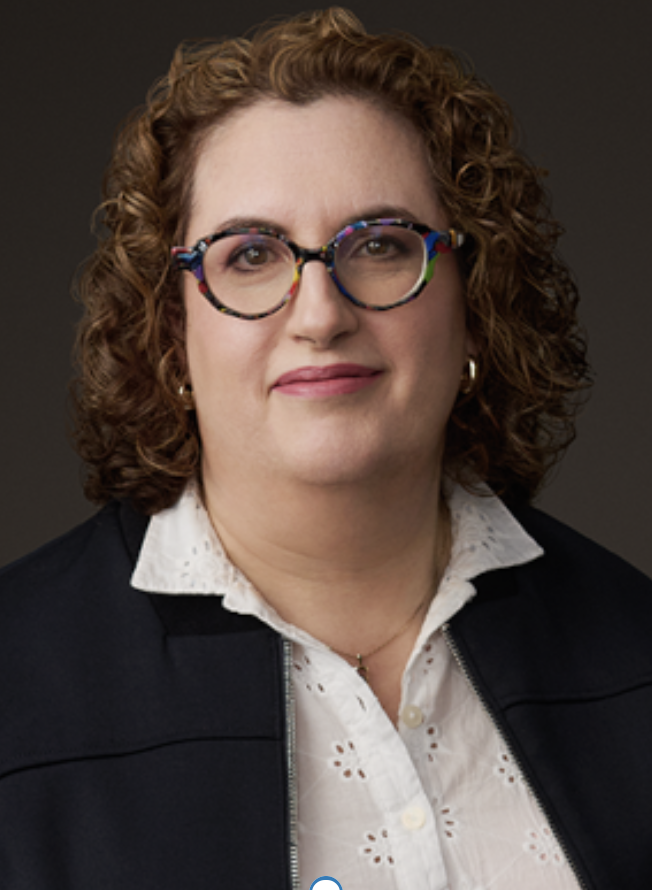
“It’s excellent to bring in the next generation on the philanthropy side because it doesn’t create entitlement,” she says. Since the money has already been dedicated to charitable purposes, younger family members can learn about governance, due diligence, and decision-making while working toward a common goal.
They can also come to a deeper understanding of family values and learn how to navigate differences of opinion. A founder may want to support hospitals while younger family members are passionate about climate change or affordable housing. Mayman says those conversations can become opportunities to build consensus and strengthen relationships.
“We know that families who can create governance around their wealth and deal with conflict and problem solving and decision making through the generations; those are the families who are most likely to transmit wealth from one generation to another,” says Mayman. Thoughtful planning also gives families the time and opportunity to think bigger.
Nazareth wants donors to consider more effective ways of giving, such as donating appreciated securities instead of cash and integrating giving into their estate planning. This kind of planning, he says, can significantly increase the impact of a family’s giving in ways that benefit both the family and the organizations they support.
Rotstein encourages families to think beyond traditional charitable giving and focus on the outcomes they want to create. If housing is the issue a family cares about, why not help build housing? If food insecurity is the priority, invest in fixing the systems that create the problem rather than simply funding emergency relief. Rotstein calls this approach “buying outcomes”: using wealth not simply to support charities, but to help create lasting solutions.
Nazareth believes that when families approach philanthropy with the same care they devote to investing and succession planning, the rewards go well beyond the tax benefits.
“Philanthropy should be interesting,” says Nazareth. “It should be intellectual. It should scratch your brain. It should feed your soul.”
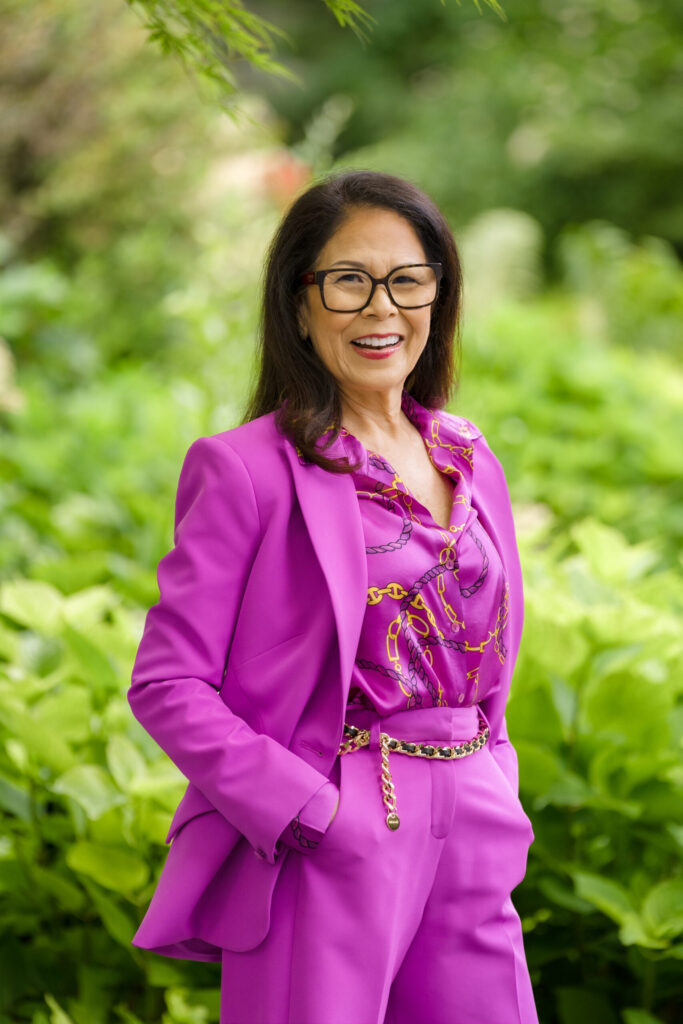
Cindy McGlynn is a Toronto-based writer and editor who frequently writes about business, culture and the arts. In addition to holding communications roles at tech startups and writing for consumer and B2B publications, Cindy has edited two national magazines and served as a long-time columnist for the Toronto Star’s Eye Weekly magazine. She has been contributing to Canadian Family Offices for four years.
Get our new quarterly newsletter about philanthropy: Canadian Family Offices’ new newsletter brings you key insights, trends and expert perspectives on charitable giving, tailored to Canada’s wealth leaders and giving communities. Click here to subscribe.
Please visit here to see information about our standards of journalistic excellence.