


For most entrepreneurs, philanthropy is something to think about only after success arrives. Once a company is sold or goes public, a founder might establish a foundation, donate appreciated securities and begin considering the kind of legacy they’d like to build.
But what if giving didn’t have to wait until after an exit? The Upside Foundation of Canada is challenging the traditional timeline by helping founders build philanthropy into their plans before a liquidity event.
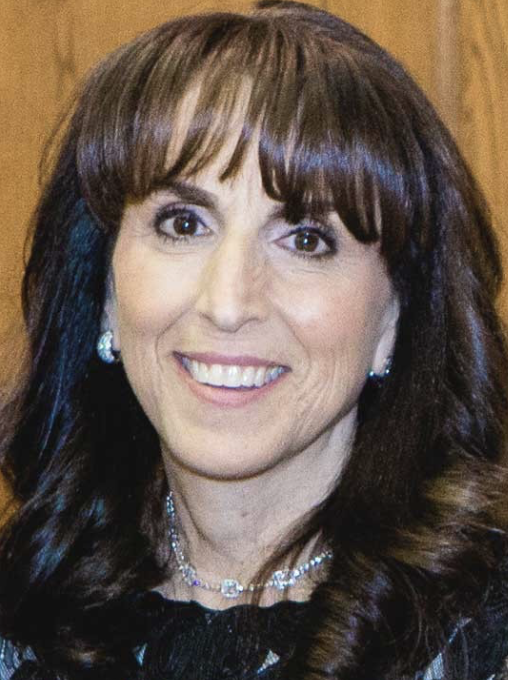
“We wanted to help founders build social responsibility into their companies from the very beginning,” says Upside co-founder Janie Goldstein, who remains involved as a board member.
A philanthropic model that works
Founded in 2013 by Goldstein, Mark Skapinker (co-founder of Brightspark Ventures) and Robert Antoniades (co-founder of Information Venture Partners), Upside pioneered a model of equity-based giving in Canada that lets founders of high-growth private companies pledge a portion of their company’s future equity to charity.
Most founders commit about one per cent of the company’s future value. When their company is acquired or goes public, the equity is monetized, and the proceeds are donated to charities selected by the founder. If there’s no liquidity event, there’s no donation.
The model recognizes that many founders are asset-rich but cash-poor while building a company. By tying the commitment to a future liquidity event, founders can make a meaningful philanthropic pledge without affecting the capital they need to grow their business.
So far, the model has attracted some of Canada’s best-known startups, including Wealthsimple, Wattpad and Inkbox, whose founders all pledged a portion of their equity to charity through Upside. Over 20 liquidity events have resulted in $3.2 million donated to 31 charities.
More than a decade after launching, Upside remains the only organization of its kind in Canada, while comparable models exist in Israel, the United States and the United Kingdom.
With Upside, you can get that benefit of families working together with a common purpose, thinking about which causes they want to support. I think it’s a really interesting platform for family offices to think about.
Janie Goldstein
SickKids Foundation enters the group chat
In early 2026, Upside was acquired by SickKids Foundation, giving the organization access to a larger fundraising infrastructure while maintaining its brand and mission.
“Nothing has really changed in terms of the value and the vision of the Upside Foundation,” says Colin Hennigar, chief development officer at SickKids Foundation. “We’ve just now powered it with the infrastructure of SickKids Foundation.”
Hennigar says SickKids Foundation’s Professional Advisors Program gives Upside a strong platform for connecting with the lawyers, accountants and wealth professionals who advise families on major financial decisions.
Since joining the foundation, Upside has continued to attract new founders, including VeriFast co-founder Tim Ray, who recently made an equity pledge through the organization.
Goldstein says the appeal of Upside is not just about timing; it’s also about simplicity. The model allows founders to make a philanthropic commitment early without taking on any administrative burden.
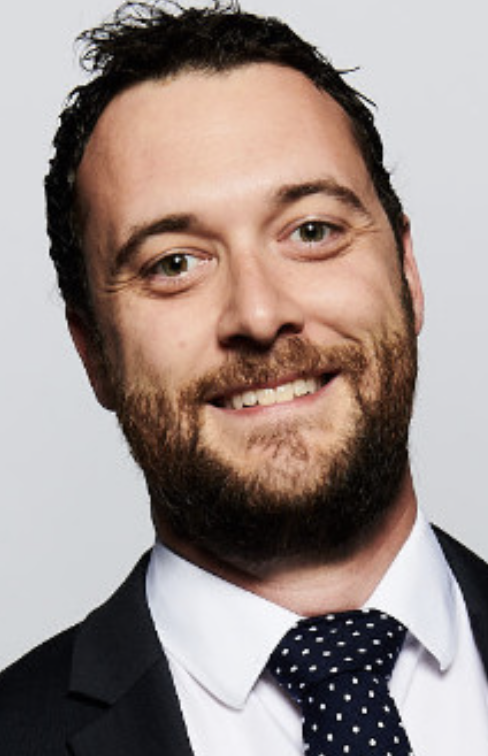
“I used to joke that there’s no downside in sharing the upside,” says Goldstein, “because it’s administratively simple. Upside handles the structure and minimizes the complexity as much as possible, so founders don’t have to create their own foundation or manage things themselves.”
Upside’s philanthropic model can help shape a company’s identity, too, says Goldstein, by showing employees and investors that giving back is part of its DNA. She says making the commitment early signals that purpose is built into the business long before there is a financial return to share. That can help founders communicate their mission, attract talent and stand out in a competitive market.
Hennigar agrees that investors see the commitment as a positive signal.
“We’ve heard from founders that it helps investors if they see the Upside Foundation on the cap table,” he says.
Family offices and the next generation
Does Upside have something to offer family offices? Hennigar and Goldstein both think so. While Upside has traditionally worked closely with startup founders and venture capitalists, Hennigar says family offices have an important role to play because many advise entrepreneurs before major liquidity events. Through those relationships, they can introduce the model to entrepreneurial clients and families.
Goldstein says Upside presents an opportunity for family offices working with rising generations, who often view corporate success and giving back as part of the same journey.
“Often, the next gen wants to start their own venture. And often, they’re very interested in philanthropy. It doesn’t have to be a zero-sum game anymore,” says Goldstein. “With Upside, you can get that benefit of families working together with a common purpose, thinking about which causes they want to support. I think it’s a really interesting platform for family offices to think about.”
It’s an idea that was ahead of its time when Upside launched, but one Goldstein says is now gaining ground.
“When we started, the concept of embedding social responsibility into your startup was really quite new,” says Goldstein. “Today, founders, investors, even employees are much more focused on purpose and impact and values. So, I think in some ways the market has caught up with the idea.”
Cindy McGlynn is a Toronto-based writer and editor who frequently writes about business, culture and the arts. In addition to holding communications roles at tech startups and writing for consumer and B2B publications, Cindy has edited two national magazines and served as a long-time columnist for the Toronto Star’s Eye Weekly magazine. She has been contributing to Canadian Family Offices for four years.
Get our new quarterly newsletter about philanthropy: Canadian Family Offices’ newsletter brings you key insights, trends and expert perspectives on charitable giving, tailored to Canada’s wealth leaders and giving communities. Click here to subscribe.
Please visit here to see information about our standards of journalistic excellence.