

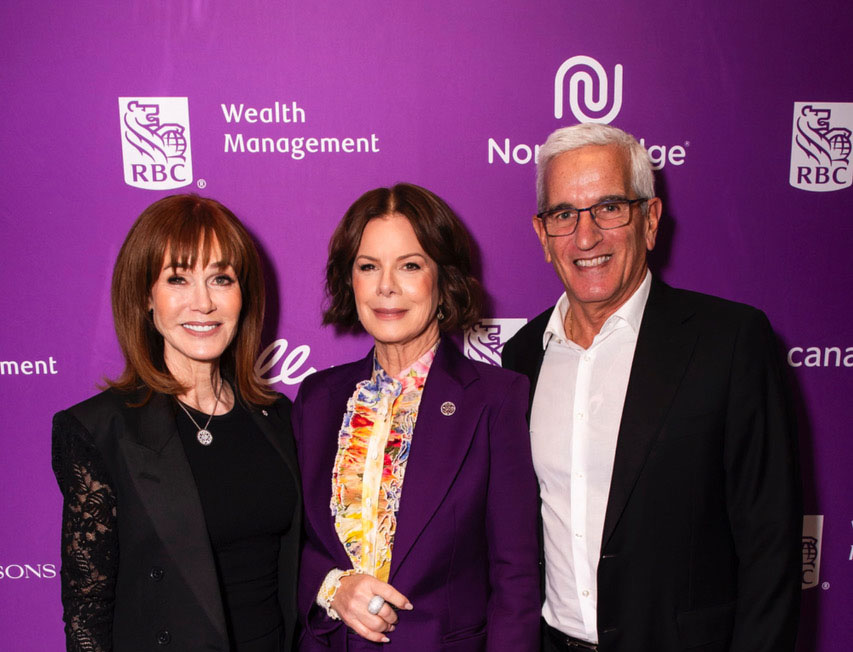
For Lynn Posluns, giving back to the community is a family legacy. A widely recognized philanthropist, Ms. Posluns is the founder, president and chair of Women’s Brain Health Initiative (WBHI), a Canadian and U.S. charitable foundation, established in 2012, whose goal is to protect the brain health of women, caregivers and their families. The Initiative supports evidence-based medical education and proposes solutions to safeguard prolonged cognitive vitality, and Ms. Posluns and her team raise funds for research to prevent brain disorders that disproportionately affect women.
Ms. Posluns is the daughter of Wilfred and Joyce Posluns, Canadian philanthropists who worked tirelessly to support health education and the Jewish community. Her siblings, Wendy and David, are also celebrated philanthropists in Canada; among other healthcare and medical research causes, the entire family continue to be life-changing donors to Toronto’s Hospital for Sick Children, which last year celebrated its 150th anniversary.
Here, Ms. Posluns shares how she came to establish WBHI, why continuing to support women’s and children’s health initiatives is so important to her family, and how she and her siblings keep the examples set by their mother and father alive.
What are your fondest memories of growing up?
I grew up in a home defined by warmth, purpose and connection. My father was a larger-than-life presence in character as well as stature, and my mother was his equal partner in every way, providing grace, steadiness and strength. Together, they created a home that was nurturing, grounded and full of the expectation that we live fully and responsibly.
My parents believed that if you were fortunate, you were expected to contribute to something larger than yourself.
Some of my fondest memories are of our family and holiday meals, where the table was always full and the conversations were lively. Summers and weekends at the cottage were a constant in our lives, giving us uninterrupted time together. And we often travelled as a multi-generational family, which strengthened our bonds in a way that has stayed with us throughout our lives.
Those experiences shaped the closeness between my siblings, Wendy and David, and me. They also carried forward to the next generation. Our children grew up closely connected with their cousins, and that sense of belonging and shared identity remains an important part of who we are as a family. It is a continuity we cherish and are deliberate about maintaining.
Your father was a successful businessman and community leader. How were you inspired by his example?
My father taught values through conversation and example. He did like to lecture, but always in a warm and thoughtful way. He had a strong moral compass, and he wanted to instill the values he lived by in his children. His lessons were not about telling us what to think. They were about helping us understand why certain principles matter and how they shape the way we move through the world.
He also had a remarkable ability to put himself in another person’s place. He listened fully, tried to understand what someone was experiencing, and responded with empathy and clarity. At the same time, he stood firmly for what he believed was right. One defining moment was when he challenged discriminatory hiring practices on Bay Street and took the case to the Supreme Court, despite being told he had nothing to gain. His courage helped change opportunities for Jews and other minorities across Canada.
As I have grown older, and now as a parent and grandparent myself, I recognize even more deeply the gift of that guidance. Leadership, as I learned from him, is courage, fairness, compassion, and acting when something truly matters.
How did community involvement become part of your upbringing?
In our home, giving back was simply understood to be part of life. My father and mother lived those values every day. He was the person people called when they were in difficulty, whether it was a dispute that needed resolving or finances that had gone off course. He always made time to listen, to advise and to help. My parents supported hospitals, education and the arts, and they were also deeply committed to Jewish community life and to Israel. They helped build institutions, and they were equally present for individuals who needed guidance or support.
Faith, family, and responsibility were intertwined. Friday night dinners were a gathering point that kept us grounded in who we were. My parents believed that if you were fortunate, you were expected to contribute to something larger than yourself. Watching them, we learned that philanthropy is both the public commitment and the quiet act done without acknowledgment. Both matter, and both leave a lasting impact.
When did women’s brain health become an important part of your journey, and what steps did you take to develop your expertise in this area?
My father was chair of the Baycrest Foundation and encouraged me to become involved. I was asked to help develop a campaign that would resonate with women, and in that process I sought out researchers to better understand the underlying science. I learned that almost 70 per cent of those living with Alzheimer’s disease were women. The prevailing explanation at the time was that women live longer and age is the greatest risk factor. That was the accepted science. But the research guiding that conclusion had been based primarily on men.
The idea that we could understand and treat a disease that affects women disproportionately by studying men did not sit right with me. I began asking more questions. I learned that factors beyond longevity influence women’s brain aging, including hormonal transitions, immune function, stress and the caregiving roles many women hold over their lifetime.
This work is grounded in purpose rather than position.
The more I understood, the more personal it became. The thought that one day I might not recognize my own children or grandchildren was deeply frightening. And I could not accept that half the population might be overlooked simply because we had always done it that way. Once I recognized the gap, I became committed to addressing it. I brought together researchers, clinicians and community leaders to advance research and education that reflect women’s lived experience. That work led to the establishment of Women’s Brain Health Initiative, focused on prevention, research and awareness grounded in women’s realities.
How did you start WBHI? Who supported you in the early years?
The Initiative emerged from the recognition that women needed dedicated research, education and support to protect their brain health throughout their lives. The goal from the beginning was to focus on prevention, knowledge and the ability for women to stay brain-healthy longer, rather than responding only once decline had begun.
Early on, I sought the guidance of Heather Reisman, a visionary business leader, philanthropist, and strong supporter of women’s issues. She understood the importance of this work, offered strategic advice that helped shape our direction, and hosted our first fundraising event, which enabled us to begin. Her support gave us credibility and momentum at a critical time, and she continues to support the initiative today.
Scientifically, we were fortunate to collaborate with Dr. Gillian Einstein, a pioneering leader in this field. She became The Wilfred and Joyce Posluns Chair in Women’s Brain Health and Aging at the University of Toronto, the first research chair in the world dedicated to this area, supported in part by CIHR. The chair being named in honour of my parents reflects how deeply my family believes in this cause and in the importance of advancing knowledge that directly benefits women.
We were also fortunate to have the early partnership of Brain Canada, along with continued support from RBC Wealth Management and CIBC, whose commitment has allowed us to expand our research investments and national education programs.
As the Initiative grew, we brought on an exceptional Executive Director, JoAnne Korten, whose leadership has been central to translating our mission into sustained impact. We are supported by a dedicated board of directors who share the same passion and commitment and who actively guide our direction.
I have chosen to serve in this role [as president and chair of WBHI] without salary, because this work is grounded in purpose rather than position, and I believe deeply in ensuring this progress continues.
Looking ahead, the Women’s Brain Health Summit, held in Toronto in December last year, has become both a first-of-its-kind national public gathering and a flagship event in women’s health leadership. As leaders in this field, it was important for us to create a forum where researchers, clinicians, policymakers, caregivers, advocates and the public could learn from one another and build momentum for change. The summit brings forward conversations that have too often been overlooked, including the impact of menopause on cognition, the influence of lifestyle on brain resilience, the realities of caregiving, and the importance of equity in scientific research. We were honoured to welcome speakers such as Geena Davis, Marcia Gay Harden, Emma Heming Willis, Dr. Lisa Genova and many of the world’s leading scientists, including Dr. Einstein, whose pioneering work helped establish women’s brain health as an area of study in its own right.
By bringing these voices together, the Summit is helping shape a more informed and empowered public understanding of women’s cognitive health and moving us closer to the long-term goal of improving outcomes for women, families and communities.
Why is it important to convey the unique circumstances of women’s health needs?
Women experience health differently than men. Hormones, immune systems, life stages such as pregnancy and menopause, and the caregiving roles many women hold all influence long-term health and brain aging. Caregiving alone places emotional, physical and cognitive demands that accumulate over time and have real consequences. To provide accurate and effective healthcare, women must be studied and understood on their own terms. When research reflects the realities of women’s lives, we can create prevention strategies and treatments that truly work. Supporting women’s brain health benefits families, communities and future generations.
How do you teach younger generations in your family about the importance of giving back to their community?
I encourage by example. I asked each of my three children to choose a cause that mattered to them personally, and they all became involved in community work from a young age. The goal was to help them feel the meaning that comes from contributing to something beyond themselves.
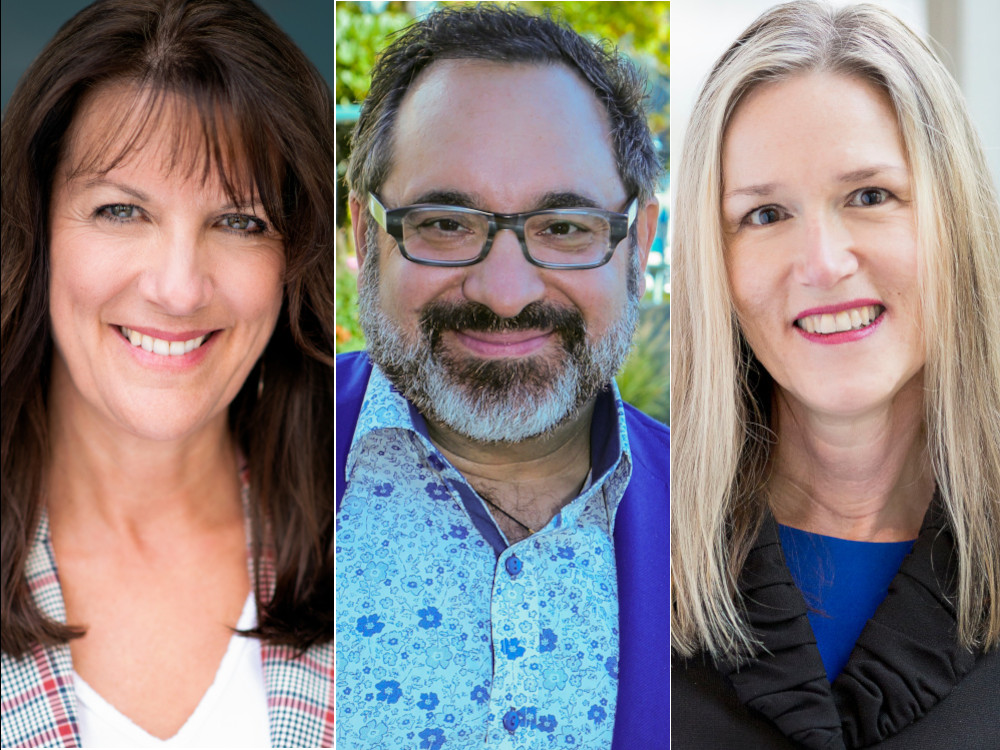
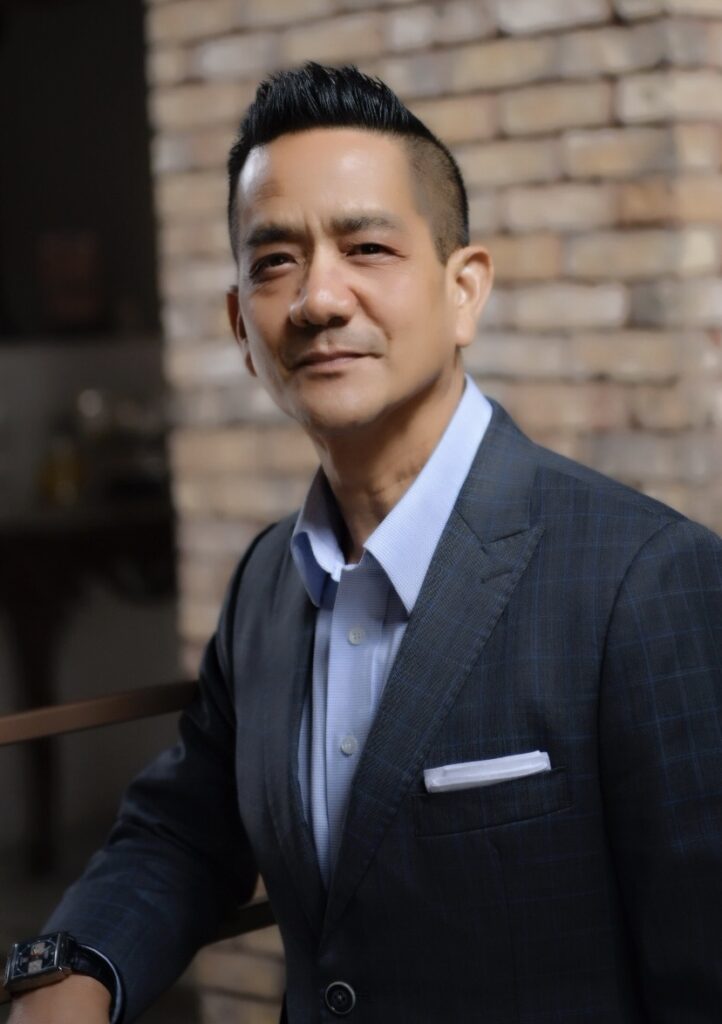
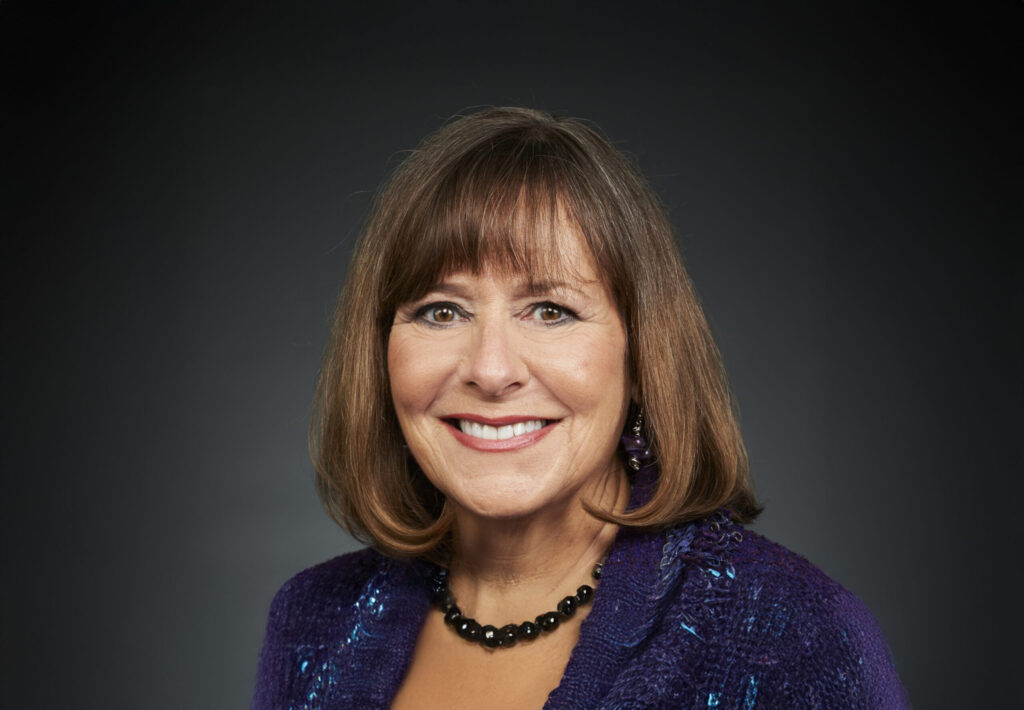
I am also proud that several of our children have contributed directly to advancing women’s brain health. My son, drawing on his expertise in user experience, helped develop our BrainFit Habit Tracker app to support dementia prevention. My daughter-in-law Amy served as editor of our Mind Over Matter magazine, helping bring evidence-based insights to a broad audience. And my daughter-in-law Jade developed and now teaches the Brainable children’s brain health education program, introducing these concepts to students at a formative stage. Their involvement has strengthened the work and reflects our family’s shared commitment to this cause.
My sister and brother-in-law created a beautiful family tradition that my husband, Ken, and I adopted with our grandchildren. When each child turns 1, they receive three jars: one for spending, one for saving, and one for sharing. Whenever they receive money for birthdays or holidays, it is divided among the jars, and the purpose of each jar is explained. It teaches generosity early and naturally.
Recently, our five-year-old grandson Wesley visited an animal shelter. When he came home, he took money from his sharing jar and brought it with him to donate to help care for the animals. It was incredibly moving. It showed that the values my parents instilled in us, which we then passed on to our children, are now being passed on again to their children. Seeing those values take root in the next generation is the most meaningful legacy of all.
Can you share why medical research is so important to your family?
Medical research has always been a priority in my family because it represents hope, progress, and the belief that we have a responsibility to help improve the lives of others. My parents believed deeply in supporting organizations that advanced care and knowledge, particularly for the most vulnerable. That value is something my siblings and I absorbed growing up and have since passed on to our own children.
Our involvement with SickKids reflects that commitment. We were honoured to support the creation of The Wilfred and Joyce Posluns Centre for Image-Guided Innovation and Therapeutic Intervention, a program dedicated to developing advanced surgical tools and techniques to make treatments safer and less invasive for children. The Centre brings together clinicians and engineers to solve real clinical challenges, and its work has the potential to change outcomes for children and families not just in Toronto, but around the world.
We have also supported research leadership at Princess Margaret Hospital through the creation of The Alan B. Brown Chair in Molecular Genomics, established in honour of my late brother-in-law. Endowing this chair was a meaningful way to celebrate his life while advancing the science that can improve outcomes for those facing serious illness.
Supporting research leadership ensures that skilled investigators have the resources and stability to pursue discoveries that can shape the future of care. For us, supporting medical research is about investing in what can be made possible. It is a way of contributing to better treatments, better outcomes, and a better horizon for families today and tomorrow.
Natalya Anderson is a writer and former ballet dancer. She completed her master’s degree in creative writing at Anglia Ruskin University, Cambridge, England. Natalya has won several literary awards, including the Moth Poetry Prize for her poem ‘A Gun in the House’ and the Bridport Prize for her poem ‘Clear Recent History.’
Join our philanthropy online panel discussion: Who Will Give? Philanthropy and the Next Gen on Feb. 26 at 1 p.m. Eastern. Click here to register.
Take our short philanthropy survey: Help us learn more about philanthropic giving in Canada by taking our short anonymous survey. No matter whether you are a donor, philanthropy advisor or executive of a family foundation, we would love to hear your opinions!
Get our new quarterly newsletter about philanthropy: Canadian Family Offices’ new newsletter brings you key insights, trends and expert perspectives on charitable giving, tailored to Canada’s wealth leaders and giving communities. Click here to subscribe.
Please visit here to see information about our standards of journalistic excellence.