

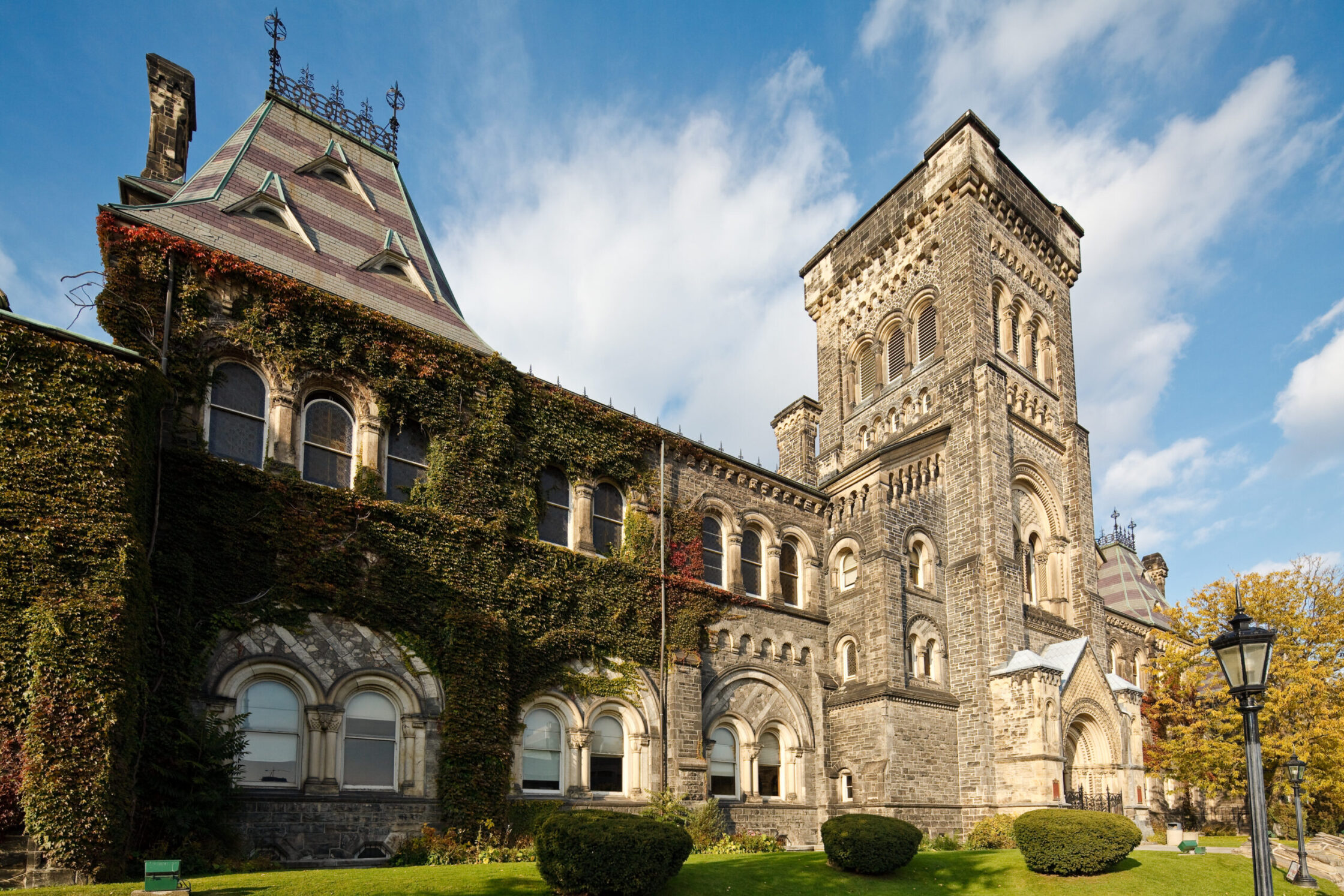
On Oct. 5, the University of Toronto announced a historic $100-million investment that will fund the President’s Impact Scholarship Program, which itself represents a new model for doctoral education—one based on complex, real-world problem-solving, experiential learning, collaboration and cross-sector engagement. It is designed to attract the brightest minds to tackle the world’s most urgent problems and position Canada as a leading innovator.
“Our goal for the program is to significantly contribute to Canada’s long-term prosperity, global competitiveness and capacity to solve complex societal challenges,” says Melanie Woodin, president of the University of Toronto.
The launch of the President’s Impact Scholarship Program comes at a time when the Trump administration’s politicized funding cuts to universities have upended scientific scholarship, motivating top researchers to leave U.S. postsecondary institutions for more stable streams of funding and academic freedom.

“Graduate funding matters when attracting and retaining outside doctoral talent,” says Woodin. “It gives students the support to pursue ambitious research and builds the research capacity needed to tackle major challenges and the world.”
The program was made possible by one Canadian family foundation that committed $50 million—one of the largest gifts to doctoral education ever in Canada. The donation is being matched by the university. The family behind the gift has chosen to remain anonymous, but their support for University of Toronto and for postsecondary education and research more broadly is long-standing, according to U of T.
It is also critical. A recent survey from CASE Insights on Philanthropy (Canada) with the Canadian Council for Advancement of Education found that higher education institutions raised more than $1.8 billion in new funds in 2025, with trusts and foundations contributing more than $650 million.
“Family foundations and philanthropy have an important role to play in helping Canada step up to meet the growing challenges of this turbulent period,” says David Palmer, vice-president, advancement, at U of T. “At institutions like ours, such philanthropy provides the flexibility to pursue ambitious ideas with immediate impact, alongside investments that support the multigenerational pursuit of meaningful change.”
This type of philanthropy can leverage other forms of public and private funding, strengthening talent, innovation and solutions across a broad landscape of institutions and networks.
David Palmer
Palmer describes the Presidents’ Impact Scholarship Program as a compelling example of what this type of partnership can achieve. “It reflects a shared belief in the importance of investing in exceptional people and giving them the opportunity to pursue discoveries and innovations whose benefits may extend far beyond their own lifetimes,” he says. “That is the extraordinary potential of philanthropy: to make a lasting difference not just today, but for generations to come.”

Recipients of the scholarship will receive $80,000 a year for four years and will be part of a cohort of 12 to 13 focused on a specific research theme selected each year by a committee overseen by the president, senior leaders from the university and representatives from a variety of fields.
From AI and health to Arctic sovereignty, the themes will target important societal challenges, and scholars will be recruited based on their skill set and potential to promote meaningful advances in the area.
“We are looking for students who have demonstrated academic excellence along with the ability to collaborate with partners around a major societal challenge,” says Joshua Barker, vice-provost, graduate research and education, and dean of the School of Graduate Studies. “To accomplish these goals, candidates for the program will demonstrate exceptional potential in advancing major research priorities, making field-shaping academic contributions or turning innovation into impact through entrepreneurship and commercialization.
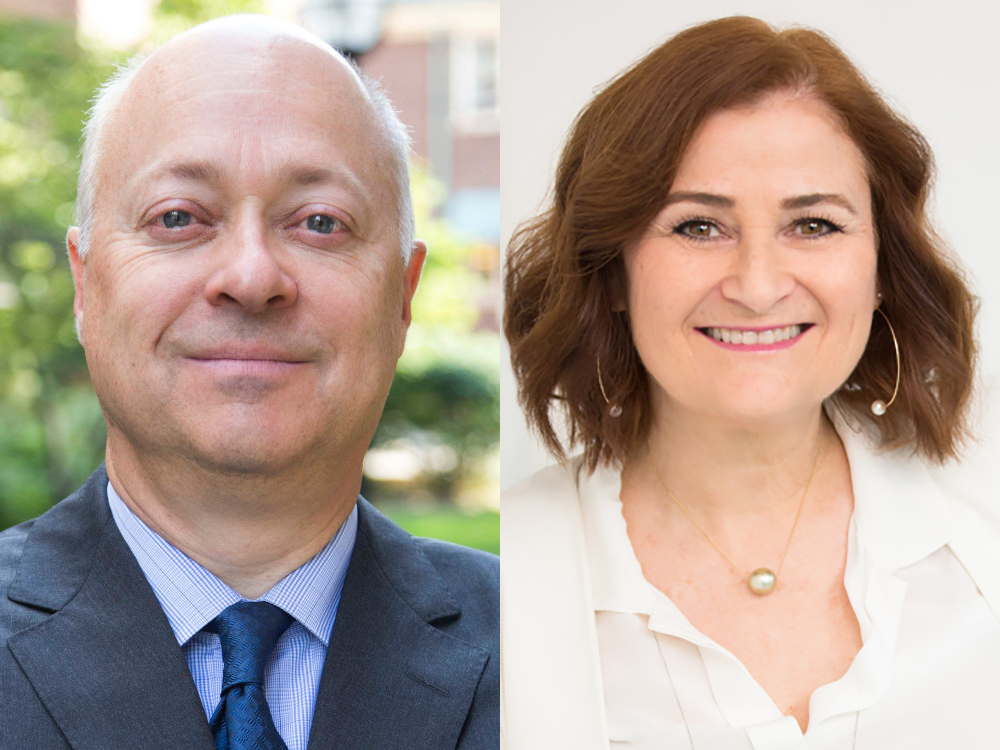


“In addition, we are looking for students who possess ambitious, bold and interdisciplinary thinking, have the ability to mobilize others and will excel in a collaborative, team-based environment.”
Why is this important now? Woodin notes that “PhD students are the backbone of the research ecosystem. They play an integral role in generating, refining and applying game-changing ideas. As Canada and the world face complex challenges, this new scholarship program will strengthen the country’s research and innovation by developing the cohort of scholars into future researchers, innovators, entrepreneurs and academic leaders.”
Mary Teresa Bitti is an award-winning journalist, content creator and entrepreneur who works with media, corporate and not-for-profit organizations to tell their stories.
Get our new quarterly newsletter about philanthropy: Canadian Family Offices’ new newsletter brings you key insights, trends and expert perspectives on charitable giving, tailored to Canada’s wealth leaders and giving communities. Click here to subscribe.
Please visit here to see information about our standards of journalistic excellence.