

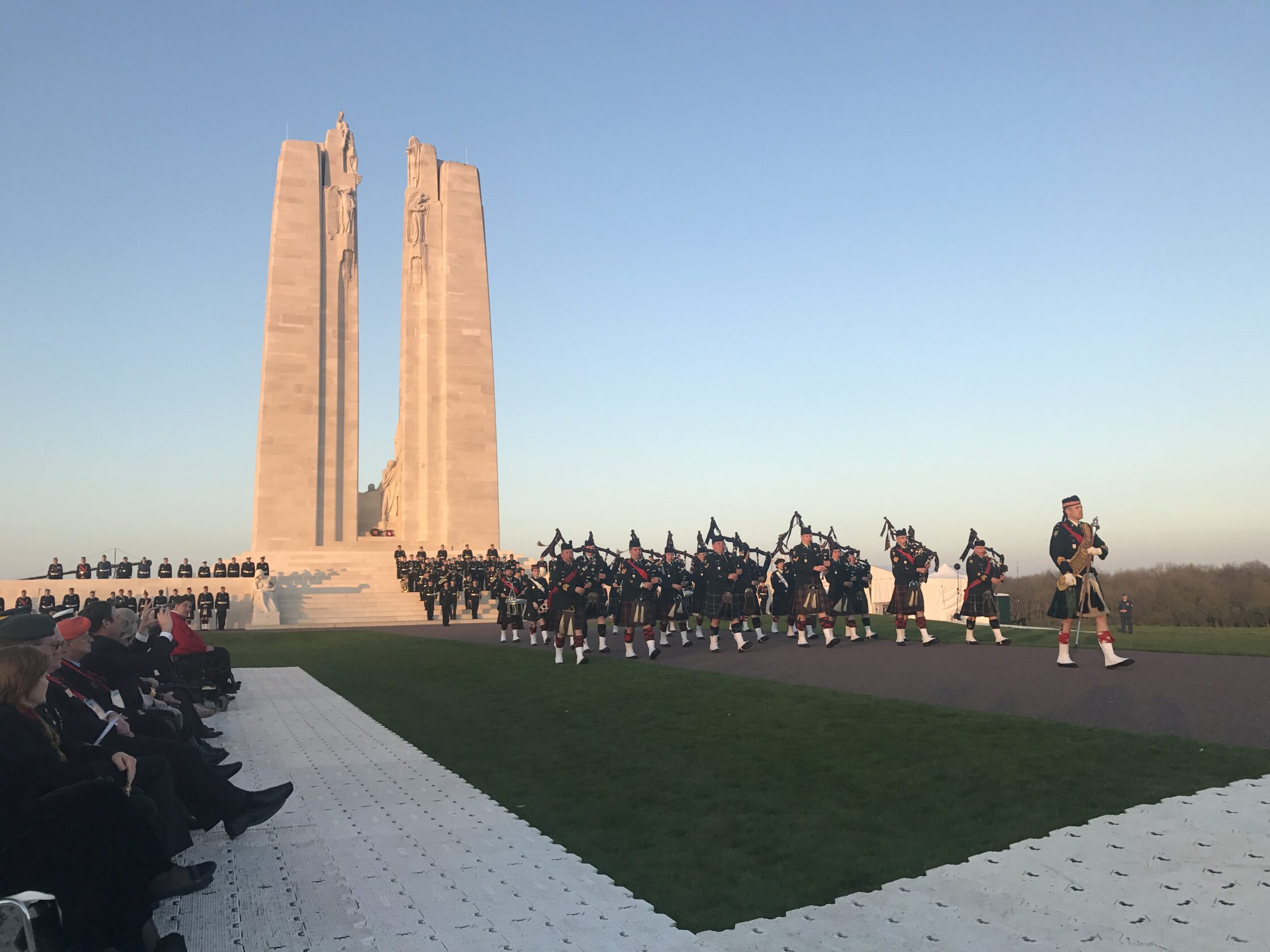
“Canadians of all ages and all origins must embrace Vimy as a touchstone of our patriotism. If we lose this connection to our past, our future becomes even more uncertain.”
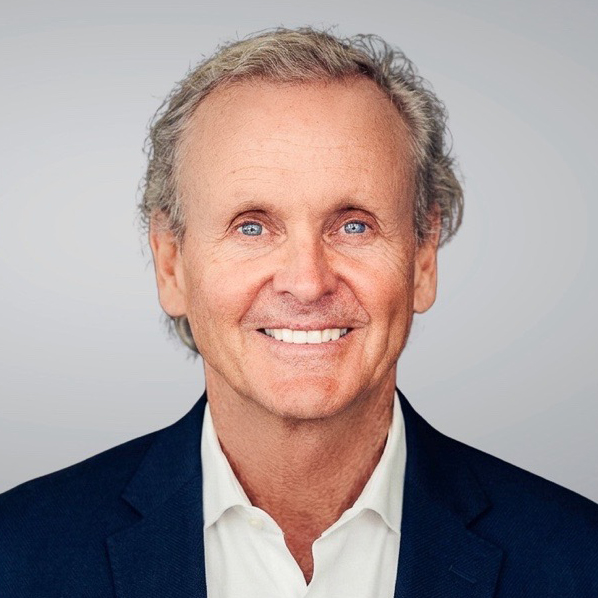
For Christopher Sweeney, former chair of the Vimy Foundation, a visit to the Canadian National Vimy Memorial in the early 1990s sparked a decades-long commitment to preserving its legacy. That dedication helped drive the creation of a new education centre and commemorative park, made possible through public and private support.
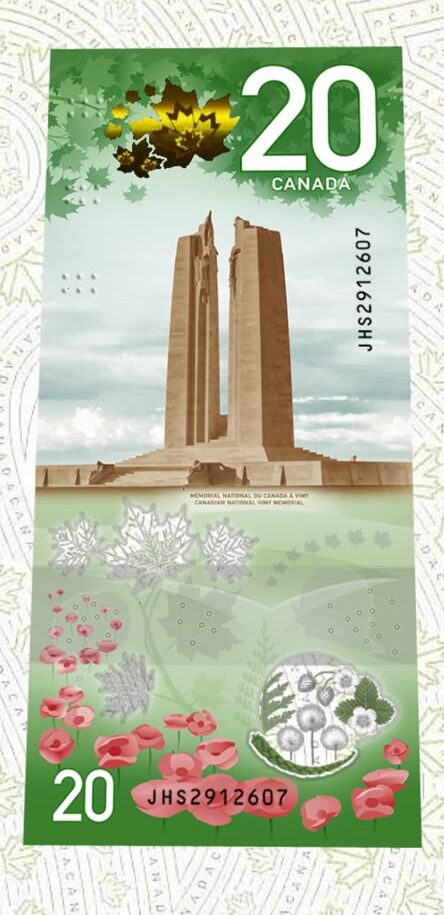
As the 110th anniversary of the World War One battle approaches—commemorated in part by a new image of the Vimy Memorial on the $20 bill—Sweeney reflects on the importance of philanthropy and the power of remembrance.
Can you take us back to your first visit? What do you remember most vividly, and what was it about the experience that affected you so profoundly?
Sweeney: I was immediately and deeply moved by the statue and the hallowed ground around it. The statue of a bereaved mother, representing Canada, overlooking the tomb that represents her 60,000 dead sons, mesmerized me. The pain of her loss was palpable, and in a way that is hard to explain, I felt I had to do something to spread awareness of her loss and of the monument’s message that “here Canada did something very special.”
Then life intervened and I got busy with kids and family, but I was reawakened to my mission by the 90th anniversary celebrations. I became determined to do something for the cause, so I started getting involved in raising the profile of the celebrations, including designing the first pilgrimage medals, which the Vimy Foundation gave out to 5,000 Canadian students visiting the site in 2007.
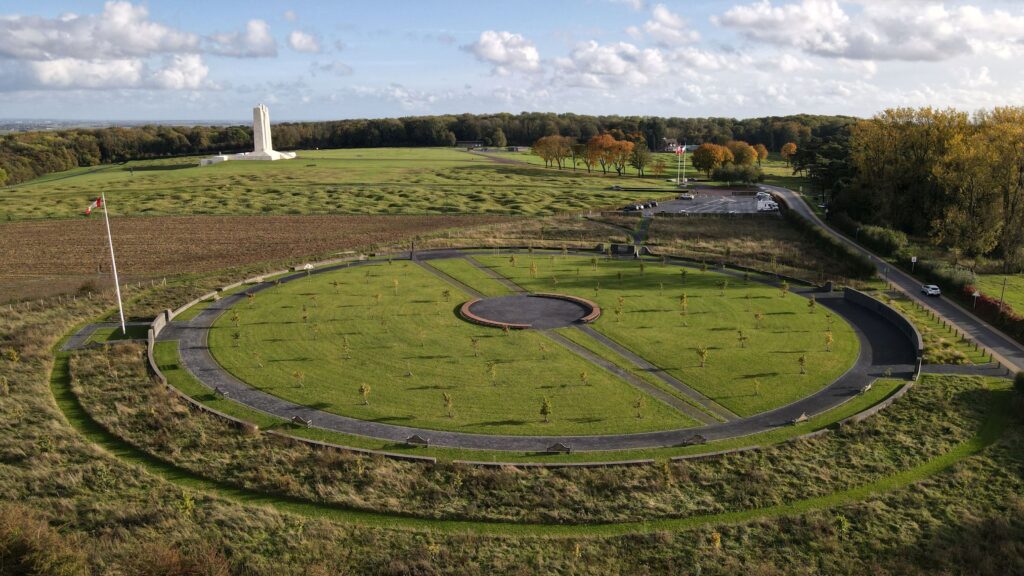
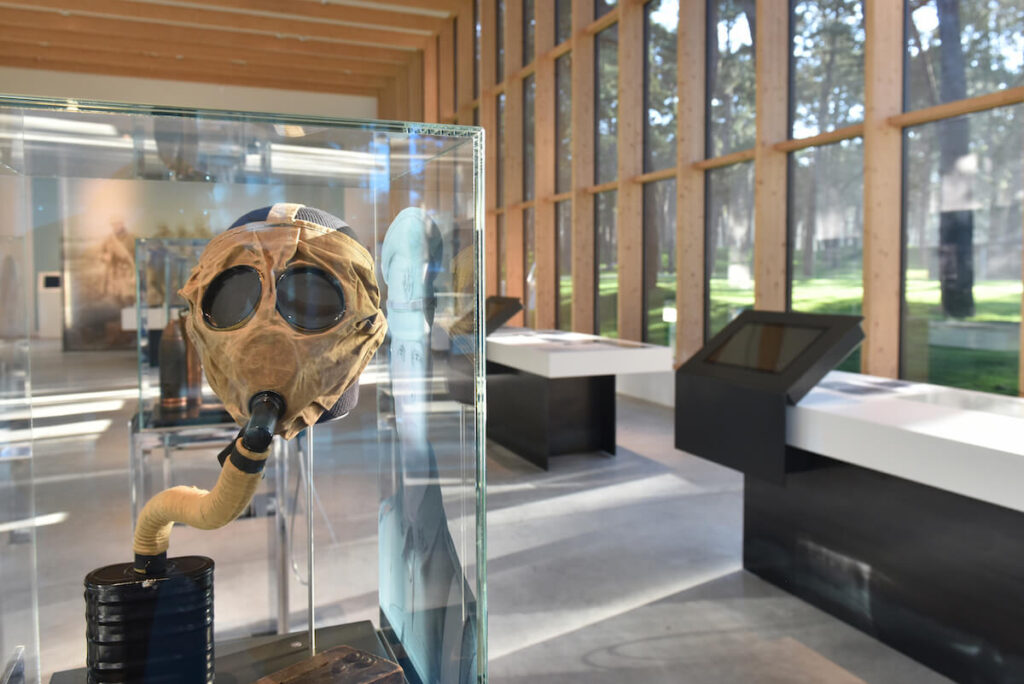
With the Vimy Foundation, I conceptualized the need for Canada to erect an education centre at the site in time for the 100th anniversary, and I then went out to market this idea to the federal government, corporations, and private donors. We raised nearly $15 million for both the education centre and the Vimy Foundation Centennial Park next door, which features 100 oak trees grown from acorns repatriated from Vimy oaks that had been planted in Canada after the First World War.
What is it about this chapter of Canadian history that resonates so deeply with you?
Sweeney: Not only was Vimy a spectacular victory within a broader battle that was catastrophic, but it also remains Canada’s bloodiest day. It can easily be argued that modern Canada was born at Vimy, and so we must remember it. As King Edward VIII said at the unveiling of the monument, “Vimy is a battle that the world will remember and that Canada must never forget.”
Canadians are not very good with their history, so I am adamant that this part of our history cannot be forgotten if we are to remain a nation.
After years of fundraising, planning and overcoming considerable obstacles, you finally stood at Vimy for the centennial celebrations in 2017. Can you describe how you felt that day? Was there a particular moment when the magnitude of what you had helped accomplish really hit home?
Sweeney: When we opened the education centre and the Centennial Park, graced by the presence of (now) King Charles, the Governor General, the Prime Minister of France, and Prime Minister Stephen Harper, I felt a sense of tremendous pride, as well as relief that I had delivered on my commitment to Mother Canada.
As we approach the 110th anniversary of Vimy, I am reminded that we must remain committed to the cause of its remembrance and ensure that generation after generation knows of Vimy and carries it as a badge of honour.
Christopher Sweeney
The Vimy Oaks project has a particularly poignant history. What does that story mean to you?
Sweeney: When we first planted the Vimy oaks on behalf of the Vimy Oaks Foundation, they looked incredibly fragile, and my immediate concern was whether they would survive the harsh northern French winters. But they have now taken root in the thick clay and chalk soil and stand as a memorial to the 100,000 Canadians who fought at Vimy, of whom nearly 4,000 were killed.
I also wanted the park to be a place where visitors to the monument could stop for a moment and ponder where they were and what they were seeing. I love the idea of people being able to walk in this peaceful garden on top of a battlefield, see the monument off in the distance, and reflect upon what it means for them and for Canada.
Is there anyone who deserves special mention as a supporter of your efforts?
Sweeney: John Carswell was an incredible contributor to the Vimy Foundation’s dream of building the education centre.
The foundation had committed to raising an amount equal to the government’s contribution. This was an unusual public-private partnership, and there were definitely teething pains. For a while, we were running low on money because the commitments made to us were spread over three years, whereas our commitments to the government were due on a much more regular schedule.
John stepped up to fill the breach and bridge our financing gap. He was literally the white knight who rode to our rescue as soon as we sent out the appeal. Both the Vimy Foundation and I remain forever indebted to John for his generosity and his commitment to Canadian history.
Private philanthropy is crucial to preserving Canadian history, and I only wish there were more people like John and organizations like Canso Investment Counsel that are willing to step up to the plate.
At a time when questions of Canadian identity and sovereignty have taken on renewed urgency, what do you hope Canadians will feel when they visit the memorial?
Sweeney: As we approach the 110th anniversary of Vimy, I am reminded that we must remain committed to the cause of its remembrance and ensure that generation after generation knows of Vimy and carries it as a badge of honour. It is, after all, the place where Canada did something that caused the entire world to take notice and develop a sense of respect for the former British colony that had made a name for itself on the world stage.
As evidenced by Canadians allowing statues of our founding father, Sir John A. Macdonald, to be toppled and buried away in bureaucratic oblivion, our history is fragile and needs more attention than ever, particularly as we now live in a world that seems harsher and more tactical than any we have ever known.
To commemorate the 110th anniversary of the Battle of Vimy Ridge, the Canso-sponsored True Patriot Love Foundation is leading a 2027 educational tour of the WWI battlefields of France from Tuesday, April 6 to Sunday, April 11. More information is available here.
Adam Bisby is senior producer at Canadian Family Offices and a Toronto-based writer, editor and consultant who contributes regularly to national and international publications such as the National Post, The Globe and Mail, the Toronto Star, Ski Canada and SHARP. Over the last 30 years, he has written about real estate and housing, finance and investment, technology, food and wine, travel, and health and wellness, among other areas. He began contributing to Canadian Family Offices in 2021.
Disclaimer: This story was created by Canadian Family Offices’ commercial content division on behalf of Canso Investment Counsel Ltd., which is a member and content provider of this publication.