

This article is part of the ongoing Next Generation series presented by PBY Capital.
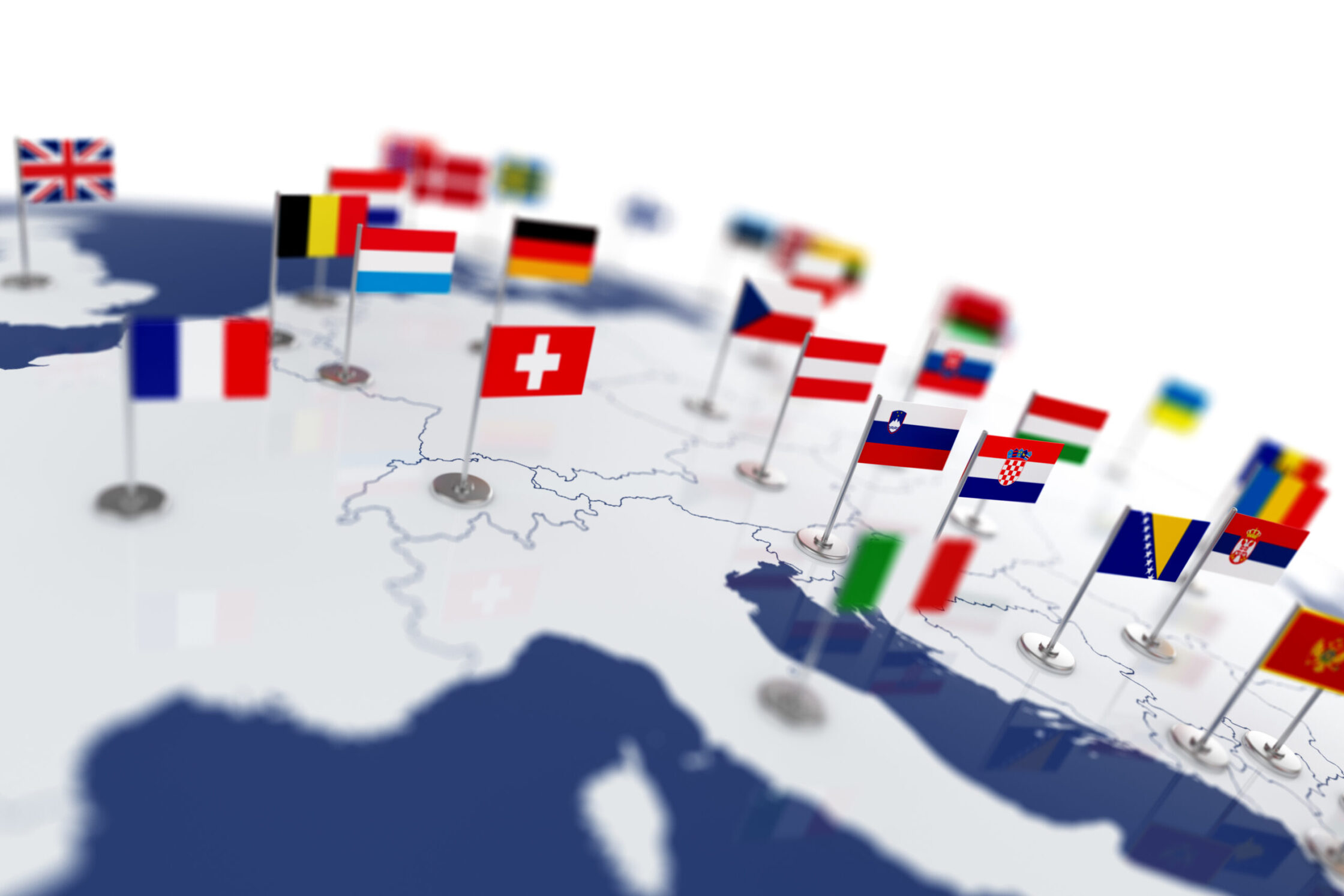
Compared to other developed countries, most Canadian FOs are relatively young, and they represent a still-nascent industry. Nowhere is this difference more notable, perhaps, than with Europe, where some family enterprises and offices stretch back through multiple generations. But the Canadian family office ecosystem is evolving—and, in the view of Cédric Cayla, president and CEO of 1642 Capital, a Montreal-based wealth management firm and multi-family office, it is evolving rapidly.
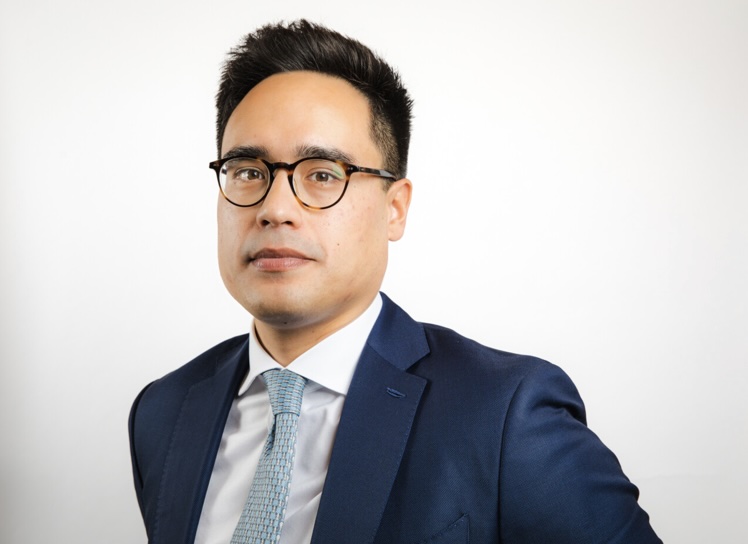
Cayla has a unique perspective on the similarities and differences between Canadian family offices and their European counterparts, having returned to Canada a year ago after a decade working with families based in London, Paris and Geneva.
In that time, he says, the Canadian family office scene has grown exponentially.
“The growth dynamics are very different here and we can feel it much more here,” he says, “so that’s very appealing.”
Maturity differences
Family offices in Canada and Europe share many of the same challenges and opportunities, Cayla says. For instance, succession planning is top of mind for both. But there is a significant contrast in where they are in their lifecycles.
For example, in early-stage family offices in Canada where the business owner or wealth creator is often still very much involved, an important issue is establishing the building blocks of their governance structure, the balance of what to outsource versus what they can manage internally, how best to integrate technology, and finding the right specialists.
“There’s still a lot of time and a lot of effort being put on a first-generation succession planning. There’s a lot of work being put into governance, striking the right governance structure,” he says. “It’s really the first steps in building,”
On the other hand, families in Europe are often on their fifth, sixth, seventh or even eighth generation. The tenets and values of the original wealth creator have been passed down, and their governance structures are more mature and firmly established.
On the investment side, Cayla says, European strategies are more reliant on fund managers, external advisors, investment committees and less impacted by the family.
As well, succession is more a question of planning around the governance structure, he adds.
“It’s more, like any other business, looking for the right successors within the family, or sometimes the challenge is accepting that it might be someone outside of the family.”
European family offices differ in other ways, too. For one: gender representation, twenty per cent of Europe’s family offices are led by women, compared with 18 per cent in the Asia-Pacific and only 12 per cent in North America, according to Deloitte.
In terms of sustainability, two-thirds of European family offices engage in sustainable investing. On average, according to Campdenwealth, among these investors, sustainable investments account for 36 per cent of their portfolios. In Canada, that number sits around 30 per cent of family offices engaged in responsible investing. (Responsible and sustainable investing differ slightly, sustainable is typically more specific; whereas responsible is broader).
Asset allocation
Cayla’s global clientele shares a concern about the U.S. dollar and how U.S. monetary policy will impact this year’s market performance. But he notes that family office asset allocation in each jurisdiction is markedly different.
That is driven in part by the maturity of many European family offices, but also by the specific geopolitical issues, such as the war in Ukraine, that are keeping them up at night and impacting their investment decisions.
While Canadian family offices are more interested in public market exposure and direct investments in companies and real estate, he says, Europeans have less of an appetite for direct opportunities, as wealth creators are often no longer involved and new generations are more prudent.
Families are also seeking more uncorrelated investments, such as hedge funds, structured products and gold, which in some cases makes up as much as twenty per cent of their portfolio.
“In contrast to here, there’s a conservatism in the policies in Europe where capital preservation is really at the forefront,” says Cayla.
“That actually intertwines well with the gold story, where it doesn’t generate any income, it’s hard to price,” he adds. “But for them, it’s an insurance policy and it’s a way for them to reconcile some market volatility.”
The new reality of Generation Z
One change that all families share, whether they are new, established, or based in Montreal or Geneva, is the arrival of a younger generation that is seeking a more involved approach with family office investment strategy.
For advisors, this means pivoting their approach.
With Millennial family members, Cayla focuses on tools to drive engagement, helping and motivating them to formalize family governance committees, investment committees and liaise with lawyers and tax planners.
With Generation Z, he says, strategies facilitate more direct access to accounts, provide more instant and digital access to information, take their recommendations on-board and discuss the reasoning behind investment decisions.
“[Generation Z has] had much easier access to investing, whether through fintechs or different investment platforms,” Cayla says. “And I’ve had to actually slow them down. They’ve been more of risk takers—they want to get involved and add risk to the family office or the family multigenerational investment program. I’ve had to take time to explain to them about diversification, about concentration risk, sectoral risk.”
A global view
While succession and tax planning in Canadian family offices is often still domestic or simply cross-border in nature, Cayla expects this will change to a more global approach over time as family offices shift to the next generation. Their European counterparts often have family members and tax plans across several jurisdictions.
“One of the objectives that [Canadian] family offices should have is to adopt a more global approach to this planning, because it’s just a reality of today’s generations—they move around [and are] much more international,” he says.
“You have to have a broader horizon than just Canada and the U.S.”
Disclaimer: This story was created by Canadian Family Offices’ commercial content division on behalf of PBY Capital, a member and content provider of this publication.
PBY Capital Limited is registered as an exempt market dealer, portfolio manager and investment fund manager with Canadian provincial securities regulatory authorities, servicing family offices and their professionals. For more information, visit: www.pbycapital.com. The opinions and information provided in this article are solely those of the writer and are not to be construed as personal, legal, accounting, taxation, or investment advice, or as an endorsement of any entity.
Helen Burnett-Nichols is a Hamilton, Ont.-based business and financial writer. For more than 20 years, she has covered investment, legal, wealth management, entrepreneurship, benefits and pensions, financial planning and personal finance topics for national and industry-focused publications. Prior to embarking on a freelance career, Helen held editorial roles in both Toronto and London, England.