


As the scale and wealth of family offices continues to grow—Deloitte projects the number of global single-family offices will reach 10,720 and SFO assets under management will surge to US$5.4 trillion by 2030, up 75 per cent and 73 per cent, respectively, since 2019—an important shift is taking hold: a growing number are looking to professionalize. This is especially true in North America, where Deloitte reports that post-succession to the second generation, 66 per cent of SFOs are expected to be led by non-family members.
So, what should SFOs planning to hire outside the family look for? The starting point is to undertake a strategic planning process, says Caroline Phaneuf, cofounder and managing partner of Montreal-based consulting firm Crysalia, which helps Canada’s enterprising families address the human side of managing wealth and relationships across generations.
“As a family, do you understand where you are and what you are trying to achieve with the single-family office? What is the vision? The purpose? This understanding will help you create the organizational design and determine the roles, mandates and skills required to realize your goals,” says Phaneuf. “The skills matrix will also help you understand which roles should be internal and which can be external.”
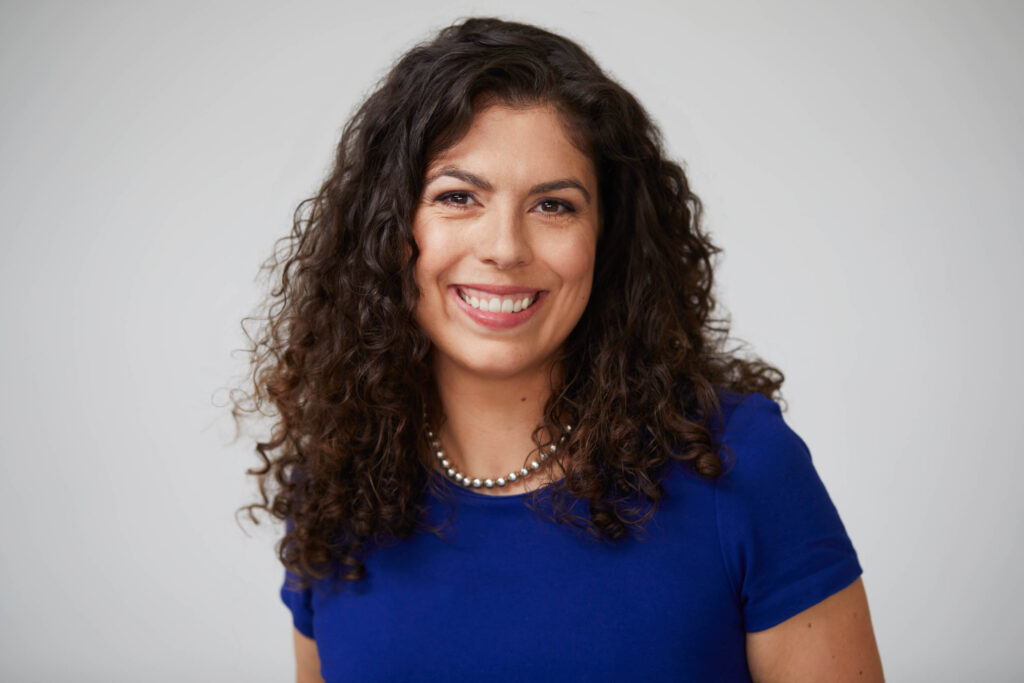
When married couple Kim Collins and Satpal Bhurjee established Collins Capital in 2017, one of the first things they did—in addition to a skills analysis among all five second-generation family members—was seek out a board of advisors to help them get the foundation for their family office in place.
It was the board who helped them determine that they needed to hire a financial analyst to help Collins Capital find and assess its target deals and ultimately grow its portfolio of private companies, real estate and capital lending. Since then, they’ve hired a director of investments and director of operations—professionals they are mentoring with an eye to succession. For complex tax management, they turn to external legal and accounting professionals.
“Not only are we getting good advice, but we are also shifting risk onto third parties in order to manage that on our behalf,” says Bhurjee.
Both former lawyers, Collins, founder, and Bhurjee, president, remain the only family members working in the family office, while the other members participate in governance. “Everyone is comfortable with this,” Collins says. “We are all aligned on hiring the best person for the position.”
The soft skills necessary for success in a single-family office
Finding the right person to work with an enterprising family requires more than just solid technical skills.
“High technical proficiency has to intersect with high emotional intelligence, the ability to understand what is said but also what is left unsaid, to address conflict, to manage polarities, because working with family always involves two things that seem to be opposed yet have to be reconciled,” says Phaneuf.
Sharing our family values was essential. Both of the directors we hired are well respected and well liked within the family.
Kim Collins
It’s a big ask, and can be overwhelming to assess. But at its core, emotional intelligence is the foundation for effective communication. Phaneuf breaks down the essential soft skills SFOs should look for:
Active listening: “Strong technical experts tend to be hardwired to provide solutions and answers. Strong active listening means you are listening to understand what is really being asked rather than listening to answer or inform. This is especially powerful for SFOs, because strong listening skills create the ability to connect, build trust and problem-solve.”
The ability to manage and address conflict in a productive way: If this skill is lacking, it may not show up in the short term, but over time can create significant issues. “At Crysalia, we employ a unique combination of five different assessments that allows us to understand the fundamental dispositions of individuals. It’s not a predictor, but tells us how someone will operate in their winning conditions and under pressure, so we are better able to anticipate certain patterns, especially if we cross them with the family principals’ personality.”
Self-awareness: This is about knowing your shortcomings and strengths and being able to leverage them at the right time and with good stewardship. It’s the ability to push ego aside for the good of the family, its vision and objectives. “There is no one perfect person for any family, but each person with a good fit and good self-awareness can adjust and get the support to make sure the family has what it needs.”
Finding the right fit
Given the intimate and highly confidential nature of working in a family office, a good fit requires alignment with family values and likeability—key priorities for Collins and Bhurjee.
During the interview, they will try to understand what the candidate believes in and how they work. Common beliefs and behaviours are reinforced during onboarding.
“Sharing our family values was essential. Both of the directors we hired are well respected and well liked within the family,” says Collins.
“Typically, we are looking for somebody who is entrepreneurial. The biggest attraction to our family office is the ability to make an impact. If you are in the room, you see the analysis and you hear the decision-making. We work hard to mentor and provide career growth in the soft skills as well as technical skills.”
Collins and Bhurjee see themselves as the bridge between the employees and the family. “There is a lot of onus on us to balance achieving the family’s objectives and keeping the employees engaged and motivated,” says Bhurjee.
While there is no one universal template for family offices, as each will have their own unique needs and personalities, Phaneuf, through her work with Crysalia and being a G2 member of her own family office, sees success in hiring non-family talent as coming down to finding the right balance between the financial and non-financial, the human and the technical.
“When you put as much value in each, then you create a flywheel,” she says. “They propel each other.”
Mary Teresa Bitti is an award-winning journalist, content creator and entrepreneur who works with media, corporate and not-for-profit organizations to tell their stories.
The Canadian Family Offices newsletter comes out on Sundays and Wednesdays. If you are interested in stories about Canadian enterprising families, family offices and the professionals who work with them, sign up for our free newsletter here.
Please visit here to see information about our standards of journalistic excellence.