


There’s nothing like a wealthy business family’s boardroom rivalries, sibling squabbles, contested wills and messy divorces to get the public’s attention, whether it’s the latest internecine drama playing out in the media headlines or the plotlines of popular shows like Succession.
Why do Canadians care so much about the trials and tribulations of such dynasties—and how can these high-net-worth clans keep their private matters private and their internal issues manageable? It’s a topic that interests experts like Francesco Barbera, an associate professor of entrepreneurship and strategy at Toronto Metropolitan University who specializes in family-owned enterprises.
When he asks students in his classes to imagine family businesses, they often think of dramatic tales of internal conflict and intrigue that go back to monarchies and feudal times, he says. “Whenever there’s great power and wealth layered on top of the typical challenges that families face around dynamics and navigating conflict, you’ve got a sensational story.”
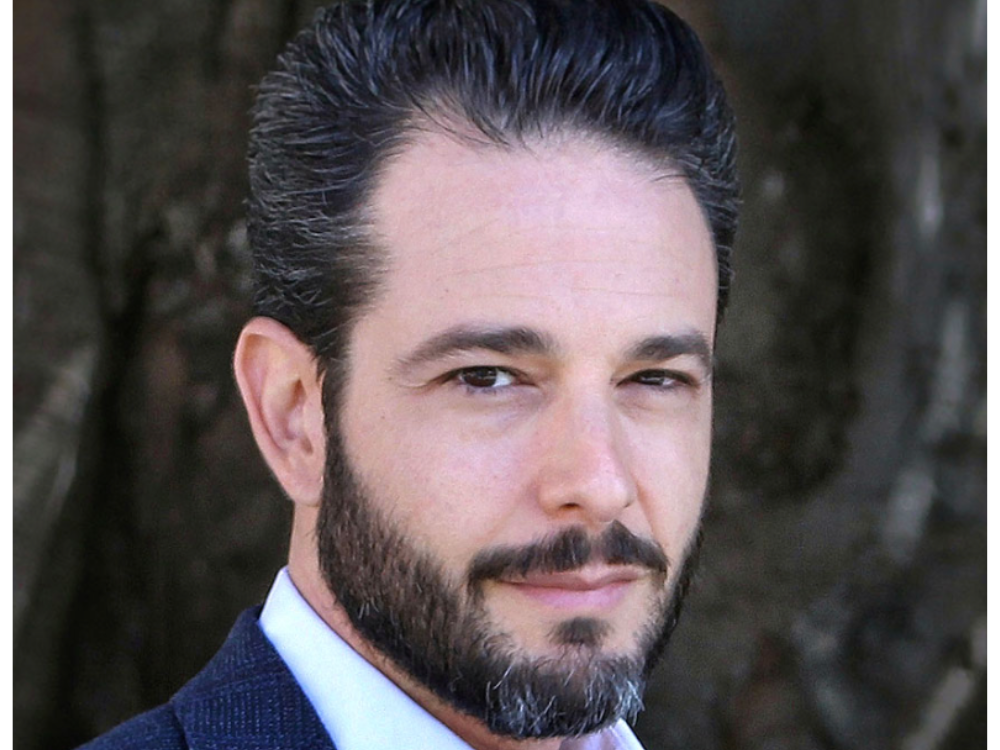
Why does the public love hearing about this topic? “It’s exciting, it’s interesting and it’s a reflection of all of us, in a way—the darker side of families,” says Barbera, who is founding academic director of the Family Business Institute, which helps multigenerational firms put a lid on such tendencies.
The role of the family office
“A family office, as a structure and as a mechanism for organizing wealth, can prevent some of those problems,” Barbera says, noting that some of the notoriety and scandal in family businesses can come from the fact that each generation has different experiences and attitudes, with younger family members often less connected to the original founding enterprise. “The family office really needs to associate a purpose to the wealth. You must fill the void that can be created from wealth unchecked.”
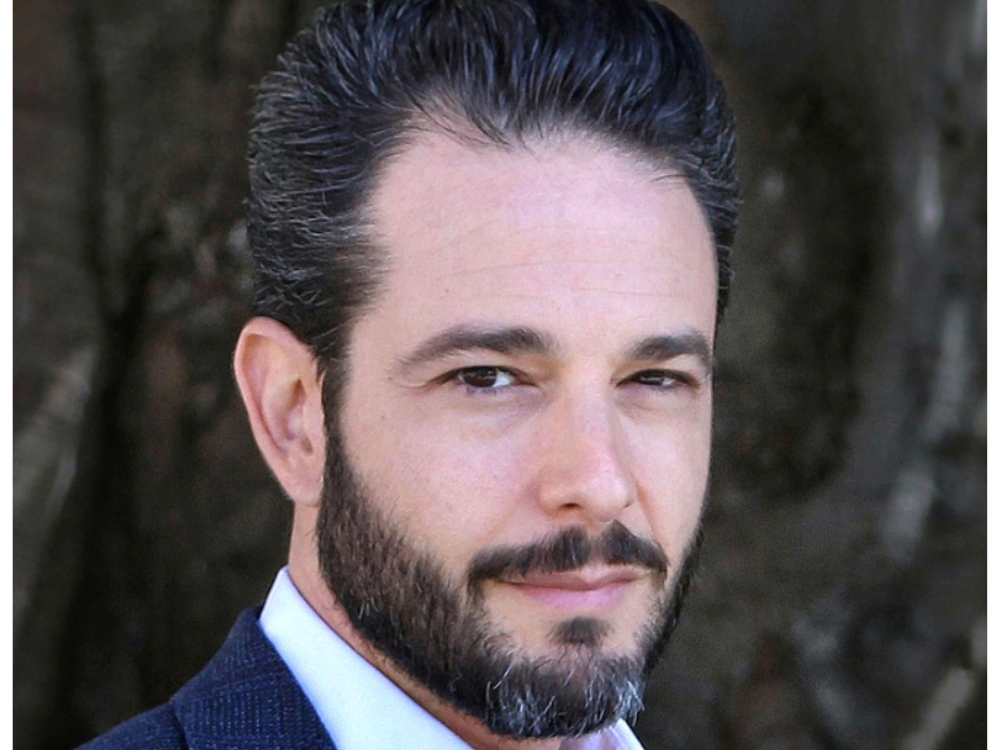
Judi Cunningham, founder of Trella Advisory Group, an interdisciplinary consulting firm that works with multi-generational families across Canada, and who also founded the Family Enterprise Advisor (FEA) program and designation, says the public allure of wealthy families brings opportunities as well as challenges.
“We all grow up in families, we’re fascinated with the whole family dynamic, and it lends to a really good story. When you add money into the mix, it makes it even more interesting,” she says. Even well-to-do people have a “fascination with how other families have achieved the success that they have,” which she says can help them. “There is a real desire for a lot of families to be in the presence of families that are ahead of them on the timeline.”
Cunningham has spoken with many affluent clients who feel that “in their world, they’re human beings dealing with life, just like the rest of us. They’re not celebrities, they’re not different.” While they may have more opportunities than the rest of us, she says many of them have problems and their “wealth wasn’t created from a vacuum. It’s from a lot of hard work, a lot of effort and a lot of thought.”


How families position themselves
Many such families look to lay low and “surround themselves with people that don’t disclose anything to anyone,” Cunningham says, putting non-disclosure agreements in place and more. “The No. 1 thing that I experience with clients is that privacy is paramount.”

Cunningham counsels such families to be thoughtful with the advisors they choose. “A lot of them have family offices and use these family offices to exercise some level of discernment on their behalf.”
Each family and every generation is different, she says, especially in an era of social media. “We are living in an age where everything is out there,” which older family members especially don’t find to be comfortable. “Navigating these kinds of conversations in families is a hard one because the value systems and belief systems are fundamentally different across generations, so it requires open dialogue inside the family around, ‘How do we want to behave?’”
Dimitry Anastakis, a professor of business history who holds the L.R. Wilson and R.J. Curry Chair in Canadian Business History at the University of Toronto, notes that “humans since time immemorial have had a fascination with the wealthy, the powerful, the people who have a disproportionate influence in shaping our lives.” And there is an impact for Canadians when it comes to oligopolistic enterprises that are often in highly regulated sectors of the economy, which, he points out, control our communications networks, grocery chains and insurance companies.

“We feel we almost know them because we use their products and see the fruits of their labours all around us, so we feel connected,” he explains. “What happens in the family can have a direct impact outside of the boardroom, so Canadians are paying attention.”
Anastakis says that “it’s also an aspect of Lifestyles of the Rich and Famous,” where the public has been “fed a steady diet over decades of views and insights into the way people who have wealth and power behave.” Indeed, following feuds and scandals in real wealthy families “is in a lot of ways more fascinating than the fictionalized shows that we see,” he says. “It’s a soap opera, and soap operas are one of the oldest genres of fiction that really do reflect how people in the real world have been perceived if they’re in those kinds of situations.”
Issues for family enterprises
Barbera worries that fighting family enterprises often don’t end up realizing their full potential, which is a problem given the importance of such firms in our economy. “They sometimes even become pariahs in society as a whole, because they’re that powerful and big and the family’s behaving very badly.”
He notes that publicly traded businesses have structures to mitigate some of these problems, which private family firms can learn from. For instance, external shareholders are an “automatic discipline mechanism that says to family members, ‘Do not play out your drama on a board level—there are shareholders here.’”
In family companies, the board of directors is often made up of family and outsiders “who have to contend with the owning family and, in the worst-case scenario, rubber-stamp types,” says Barbera, who adds that independent voices are critical in such situations. “The family’s influence needs to be kept in check, and especially the darker side of family: the conflict, the jealousy, the rivalry and competitiveness, which can get to the point where it’s extreme.”
Structural and procedural discipline should extend to mechanisms to navigate conflict and communicate with one another, he explains. “You’re setting expectations.”
Mary Gooderham is a writer, editor and communication advisor based in Ottawa. She leads Cohen Gooderham Communications and has worked as a journalist for more than 40 years at The Globe and Mail, as a recording officer at the International Monetary Fund and as a custom content creator for online and print media. She’s been a contributing writer at Canadian Family Offices for four years, focusing on investment strategy, trusts, philanthropy, women in finance and estate planning.
The Canadian Family Offices newsletter comes out on Sundays and Wednesdays. If you are interested in stories about Canadian enterprising families, family offices and the professionals who work with them, but like your content aggregated, you can sign up for our free newsletter here.
Please visit here to see information about our standards of journalistic excellence.