

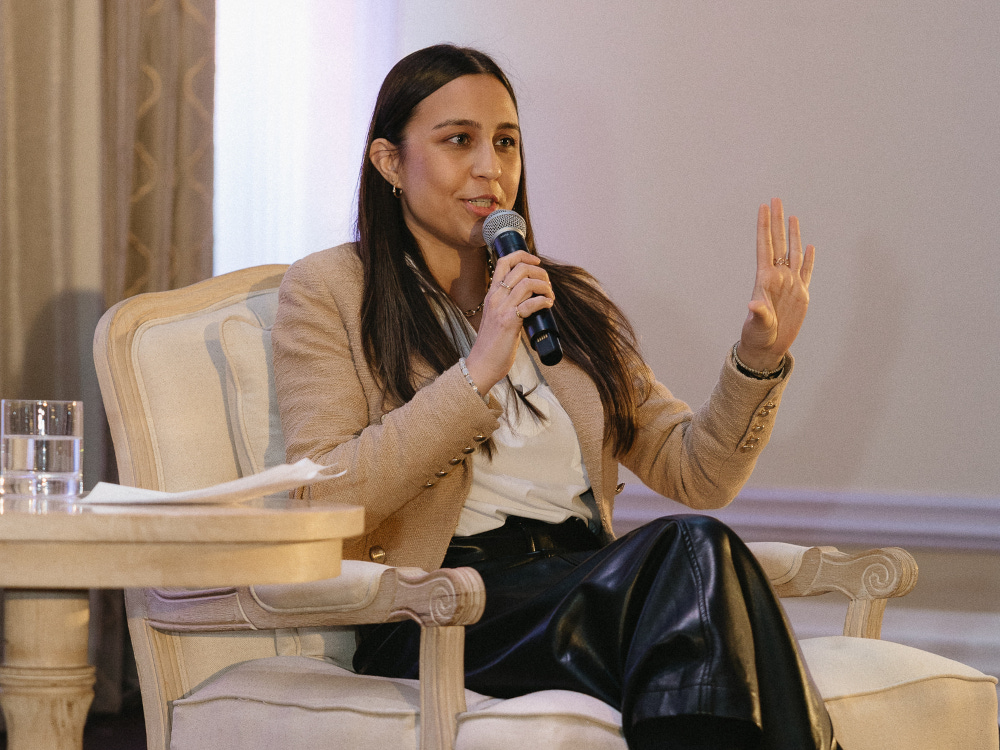
Cameron Corporation, a commercial real estate development firm in Edmonton, has enjoyed three generations of success. Founded in 1979 by the Naqvi family, the firm has operated some of the largest retail projects in Canada and manages six million square feet of commercial real estate.
A year and a half ago, with expansion plans on the table, management decided to set up its own family office as well. Having brought in an advisor in the past to help manage family dynamics and the financial education of younger generations, the family’s goal was to better manage its complex affairs, including estate planning and investment diversification, says Aliya Rota, the founder’s granddaughter and CEO of the Naqvi Family Office.
“We decided we were going to create a stand-alone family office because it really wasn’t sustainable any longer for these functions to exist within the operating company, which was growing,” Rota adds. “And the family side of things was getting more complicated.”
Setting up a family office is often the step a family takes when it realizes that it needs to hire more advisors, wants to expand, has multiple family generations to manage or has grown too big to manage in-house.
At first, the Naqvi family brought on additional support from a multi-family office to complement its existing advisors. These MFOs provided years of family-office experience and strong technical backgrounds in the areas of investment and wealth management, tax, estate planning and other key areas, to help build solid foundations for the family office.
“It has been really efficient for us and has given us a lot of comfort that we have someone to turn to, no matter what challenge is coming up in whatever phase of the family office journey we’re in,” says Rota.
Building a family office requires advisors to carefully navigate the complex needs of the business, from what to do following a liquidity event to moving in a philanthropic direction. Whatever the wishes of the owners, advisors need to lay the foundations of the office by carefully listening to the family’s wishes, asking the right questions and assembling a team that can meet the family’s needs.
Laying the foundation
Opening a dialogue with the family before building helps to establish its aims and goals, says Carolyn Cole, founder and CEO of Cole & Associates, a family-office strategy and design firm based in Vancouver and Toronto.
“We have to understand their future intentions. Are they taking that liquidity to redeploy it, or empire-build?” she says. They might discuss whether to purchase additional businesses, or build a portfolio of public or non-public assets, or include the family’s younger generation in the future of the business.

In fact, the first decision might be deciding whether you really need a family office at all, Cole says.
“If you are going to put this in a portfolio, live off the income and divide what’s left between your children, you may not need a family office,” says Cole. “If you are going to commingle the assets with a rising generation, then you’re definitely going to need some legacy family-office support and potentially some institutional support.”
What’s key in these early discussions is honesty, says Patricia Saputo, co-founder, executive chairperson of the board and strategic advisor at Montreal-based Crysalia, a consultancy that helped her own family office and now assists others dealing with succession, governance and other issues.
Advisors have to ensure they’re able to elicit the most direct and honest answers from clients, who may not initially know what they want or how to structure a family office. “It’s all about relationship building,” Saputo says.
Other foundational considerations
After establishing the goals of the family, Cole says that her team starts by building out the architecture of the family office. “Are we building a cabin, a castle, or is this a renovation?” she asks. Cole also presents family members with models of other family offices that have been set up around the world.
“It broadens their scope and gives them a greater number of ideas about how to structure their office,” she says.
Here are other considerations:
Building a team: Saputo says she often involves the family’s existing advisors in building the new team, relying on their familiarity with the family. “Usually, they prefer to go with the people they’ve trusted in the past and have built relationships with,” she says.
Deciding whether to bring services in-house or outsource them: Should a family hire advisors or outsource certain advisory roles? Saputo says that consultants can assess the skills of long-standing family advisors and determine whether they can continue in their roles. Sometimes, legacy investment advisors may be ill-equipped to handle complex investment strategies, and lawyers may not have the requisite background to handle more sophisticated legal matters.

In the case of Cameron Corp., the family realized it needed an overarching advisor to work in tandem with its existing advisors, someone who was “a bit more integrated and holistic” and had a lot of investment, tax, estate planning and philanthropy expertise, Rota says.
Developing talking points: Saputo says advisors need the family to decide who is going to be at the table, and which decisions each member will be responsible for. “Because the people around the table might not have the final vote, but they have a voice, and you have to hear their voice because it might impact you and your children,” she says.
Taking time to educate: The next step for advisors is to facilitate conversations with various generations within the family, says Cole.
At Cameron Corp., educating younger family members is paramount, says Rota, and that’s done through a governance body called a “cousin consortium,” made up of members of the family’s third generation.
“It started with topics around what our family values are, understanding a bit more what the business does, and now, 10 years later, as the kids are in relationships, we’re talking about things like prenups and budgeting,” she says.
Undertaking “the build”: Construction of a family office usually takes 18 to 24 months, says Cole, and may include anything from sourcing office space to establishing better-coordinated conversations with wealth managers, tax accountants and family office facilitators. Once the office is set up, “the advisory staff take over at that point,” she says.
Benefits of the building process
Rota says that creating a family office has taken longer than expected. But the experience has helped answer key questions about the future of Cameron Corp., she adds, charting a new path for the family and paving the way for greater expansion, a solid investment strategy and sound financial planning.



“Thankfully, the family was aligned on the need for this stand-alone single-family office to be set up,” says Rota. “It’s definitely been a good foundation. We needed someone to help us understand what our objectives are now and how to create a plan that supports these new objectives.”
Among the goals: set the next generation up for success, empower them and avoid a structure that could lead to conflict.
“The job of the family office is to stay abreast of what those objectives are,” Rota adds, “and how they impact the family.”
Anna Sharratt is a business and health reporter and editor with more than 20 years of experience. Based in Toronto, she has written for Canadian Family Offices since 2021. A regular contributor to the Globe and Mail, she has written for Inc.com, Forbes, Business Insider, Canadian Business, MoneySense, the National Post, The Toronto Star and other publications. She is the former managing editor of smallbiz.ca, health editor of Chatelaine and senior health writer for the CBC.
The Canadian Family Offices newsletter comes out on Sundays and Wednesdays. If you are interested in stories about Canadian enterprising families, family offices and the professionals who work with them, sign up for our free newsletter here.
Please visit here to see information about our standards of journalistic excellence.