

In this three-part series, we explore the truths and myths about third-generation members in wealthy families, looking for qualities that define Gen 3s overall and the current rising cohort in particular.
We asked advisors from across Canada whether they see common characteristics shared by third-generation members of wealthy families. Their answers are illuminating—and remarkably consistent.
Barb Schimnowsky, Partner, CEO & director search, Watson Board Advisors (Vancouver)
I am always cautious about generalizing across generations. But third-generation family members often enter the enterprise at a very different point in the story. They did not build the business, and they may not have experienced the same sacrifices or uncertainty that shaped the founder or second generation. So, their questions can be different: ‘Why does this enterprise matter now? What is expected of me? Where do I have a voice?’ Advisors can be helpful by making room for those questions early, and by helping the family put the right governance, education and trust-building structures around them.
Jill Renton, executive director, family advisory, KPMG Family Office (Toronto)
It’s less about characteristics unique to the generation and more about proximity to wealth creation. Founders are shaped by building something from nothing. The second generation often witnesses that journey firsthand, understands the sacrifices behind the success, and becomes involved in the operating business. The third generation is usually born into an established enterprise. Their challenge isn’t creating the wealth; it’s understanding their role, identity and responsibility within it. Today’s third generation isn’t just inheriting wealth—they’re inheriting complexity. Many will become owners and stewards of businesses, trusts, foundations and investment structures that require a fundamentally different set of capabilities than those required of previous generations.
Shawna Perron, portfolio manager on the Perron & Partners team under Cumberland Private Wealth (Calgary)
For Gen 3 to have any level of engagement or identity, the values set in place from Gen 1 to 2 to 3 are really important: Why do we have this wealth and what are we doing with it? If it’s very well defined and has direction and purpose, it gives Gen 3 the chance to become engaged—or not. If the first generation thinks it’s going to be enabling bad behaviour or lifestyles, often they protect the wealth. Or they may see a great opportunity for the family to use it for good through education or philanthropy. It really depends on your storyline, how the third generation engages or doesn’t engage.
Amin Kanji, executive director, family enterprise advising, CIBC Private Wealth within the CIBC Family Office (Toronto)
Creating significant family wealth often involves extraordinary personal sacrifice, calculated risk-taking and a long-term focus. Many founders did not grow up with wealth and, even after achieving financial success, continue to devote much of their time and resources to building and protecting the business. As a result, they often have a deep appreciation for the value of wealth and may never adopt a lifestyle that fully reflects their financial means. The second generation witnesses the opportunities and sacrifices firsthand. By the third generation, many have never experienced life without financial security. That greater distance from the original wealth creation can naturally influence how they think about risk, identity, responsibility and stewardship.
Colin Keddy, director, TAAG Family Office (Ottawa)
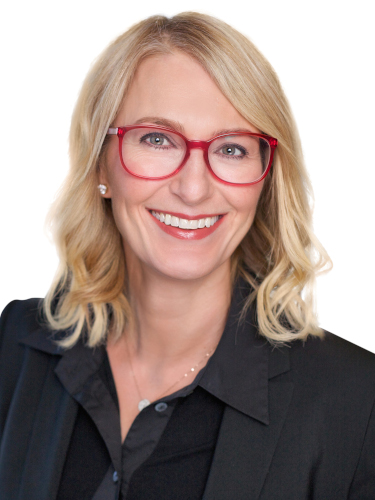
Someone in that Gen 1 comes from modest means. They are the creator; they don’t have that privileged nature. They made considerable sacrifices; they do whatever is necessary to make that business what it is. That person and the identity of the business are synonymous. Gen 2 have a little more interest in getting involved in family affairs, but by the time you get into the third generation, most [of the heavy lifting] is done. They’re trying to figure out ‘Who am I?’ ‘What’s my purpose?’ And they’re less involved in the business.
Kelly Demo, senior wealth advisor and portfolio manager, West Oak Family Office (Calgary)
The biggest difference between the first and third generations is that the third generation is asked to steward capital; the first generation didn’t have that expectation. The third generation gets handed a significant amount of capital that they’re expected to steward, and they may not be prepared for it, nor do some of them want it.
Andrew McQuiston, senior wealth advisor and senior portfolio manager, West Oak Family Office (Calgary)
In that third generation, the generational planning, financial literacy, family stories and transparency need to start really early. We have families succeed who have done a good job early on, and families who waited far too long and it’s a much more difficult task to get the family aligned. These young third-generation adults are very capable, have great educations, but grapple with their place in the family. The sooner you can have these conversations about outcomes, the greater success these young people have.

Jim Hayhurst, managing director, Cole & Associates (Victoria)
The first generation are builders: scrappy, irreverent, going against the grain at times. The founding generation felt that scarcity in their bones. The second generation had a front-row seat to watching that money get built. If you jump to the third generation, a lot of who they are is how they are defined in relation to that first generation. For the third generation, the money just ‘is.’ I don’t think that necessarily defines them as weaker or less motivated, but they’re standing a bit further from the fire that forged the family, and understanding that distance, for advisors, is really important.
Cameron Clark, CEO, wealth advisor and portfolio manager, Clark Perry Financial Advisory Group, part of ScotiaMcLeod (Fredericton)
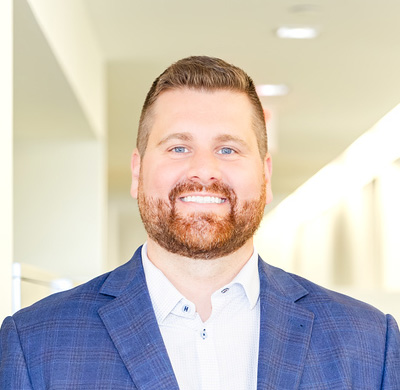
They’re not the creators of the wealth, so they don’t have the same mental framing of how it came to be. Gen 1 are the creators; Gen 2 [are] the blood, sweat and tears, trying to improve on what’s been created. Gen 3 is more distanced from the story, less interested in what wealth is and more in the impact. They’re typically very well educated but, if they’re not brought to the table very early, less aware of the vision for the family, so there’s a need for some education there.
Neil Cockburn, director, family enterprise advisory services, KRP (Edmonton)
Gen 1 are the builders, Gen 2 are the stewards, and Gen 3 are the inheritors. Gen 2 is typically all raised in the same household with the founder. In Gen 3, [households may differ greatly]. The success of Gen 3 comes down to skills, education, their perception of the family wealth, attitude and responsibility. I think the biggest issue—and this would be a generalization—is the sense of entitlement. Some businesses endure for decades, and a lot of that is due to mission statements, shared values and governance. Families can do the same: there are parallels between businesses that survive and families that survive generation after generation.
Sarah B. Hood is a Toronto-based writer and book author. She has served as editor of three national magazines and written weekly columns for the National Post. She also serves on the editorial board of Spacing magazine. She writes frequently on business, urban affairs and culture. As a food writer, her work has been translated into Japanese and Arabic. She has taught writing at George Brown College for more than 20 years.
The Canadian Family Offices newsletter comes out on Sundays and Wednesdays. If you are interested in stories about Canadian enterprising families, family offices and the professionals who work with them, you can sign up for our free newsletter here.
Please visit here to see information about our standards of journalistic excellence.