


This article is part of the ongoing Next Generation series presented by PBY Capital.
There’s no shortage of next generation conversations to be had, but one fact remains: we are in the middle of what is likely the largest wealth transition in modern history. The ‘Great Wealth Transfer’ is an estimated $84 trillion to $124 trillion in assets projected to pass from Baby Boomers and older generations to younger heirs (Gen X, Millennials, Gen Z) through 2045–2048, largely in the U.S. and Canada. This unprecedented transfer includes real estate, stocks, and business interests, with significant portions also flowing to charities, according to Merrill Lynch.
On April 15, 2026, at a CFA Montreal event at Le Windsor in Montreal, moderator Patricia Saputo, the co-founder, executive chairperson and strategic advisor of the business-family advisory Crysalia in Montreal, took the great wealth transfer idea and ran with it. She knows it is not only a transfer of capital; it is a transfer of decision-making power, values and responsibility.
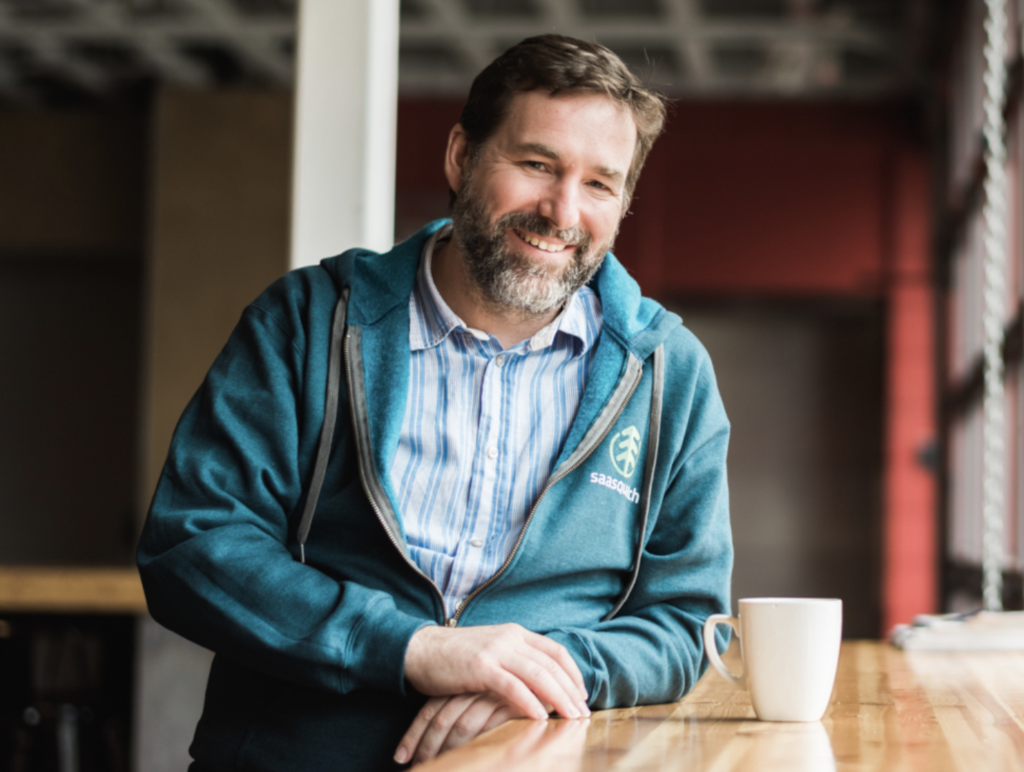
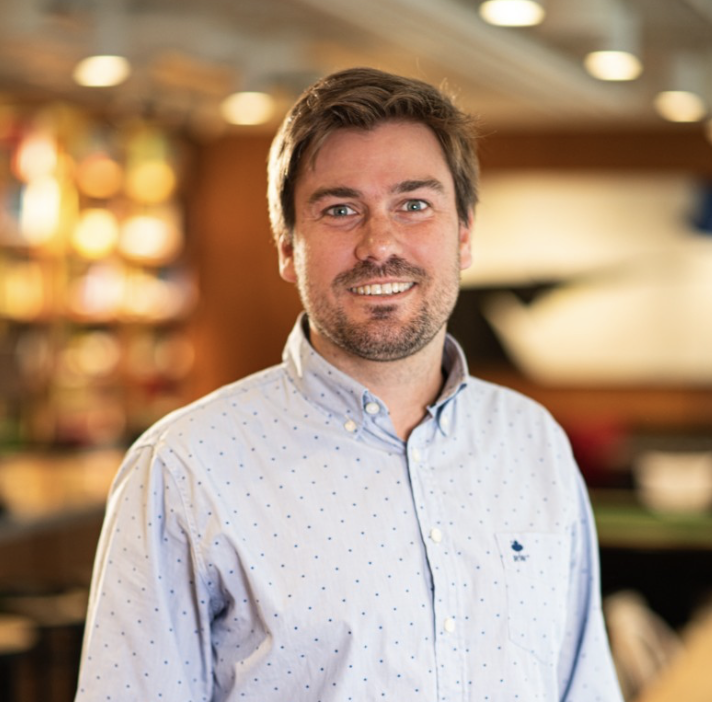
She sat down with two panelists: Owen Mathews, second–generation family member, managing partner of Emend Vision Fund and Arnaud de Coninck, a sixth-generation family member, Chief Revenue Officer of Trusted Family.
For the audience, it was interesting to see behind the curtains when it comes to generational wealth and hear directly from next generation family members, who are wealth stewards for their respective factions.
Saputo asked the panelists about their view on capital, responsibility, risk, governance, purpose, long-term stewardship and legacy. Then tied it all up nicely regarding what it means for professionals and families who are navigating these changes today.
Here are highlights from the Q & A session:
What was your biggest learning curve when you started participating in investment or governance discussions?
Owen: Treat people with respect, even when you are dealing with people who are unqualified and making questionable decisions. Family business is about your lifetime and the lifetime of your children and your children’s children. You don’t want to create a rift within a family because you are convinced you know better, alienated people who you need on your side if you are going to stay united and engaged. It is a tough balance to maintain progress and still take the time to make sure everyone is heard and respected.
People who are unqualified often don’t know they are unqualified and you are not helping the family by pointing it out. I could easily lean on close family bonds to push people to do what seems obvious to me as the right thing to do. The truth is, I could be wrong. So you try to stay calm, focus on the best facts you can present, highlight your own experience in your argument to encourage respect for your point of view and hope that everyone comes around to a sensible decision.
What governance structures have actually worked in your family?
Arnaud: Governance that actually works in family businesses is never purely formal or purely informal. It’s a deliberate combination of both. Formal architecture creates clarity and continuity. Informal rhythms create trust and alignment. One without the other tends to fail.
Formal layers typically include elements like family constitutions, a family council, shareholder agreements, structured policies, and more.
Informal layer is what the enterprising family actually works with. As you transition to multi-generational families, these informal elements become increasingly important. Organizing family retreats that anchor identity, building the story and values and ultimately building trust.
Owen: I’m Gen 2, so we didn’t have a governance structure. All of the learning and guidance has been self directed by me and encouraged by me to the rest of the family. With an active founder still in the drivers seat, any board, council or other governance is still answering to one person with the final decision. It is a useful method of engagement for a family, which is helpful. The next generation get to discuss, ask questions and get a better understanding of the business and the way in which the founder directs the business. However, far better to actual do the work, struggle through failure and celebrate success independently. Mimicking a wealth creator through regular contact, does not mean you have the skills to actually do the job.
What is one governance mistake wealthy families repeatedly make?
Arnaud: Confusing documents with governance. Families spend months if not years drafting constitution, a shareholder agreement, a charter and then assume the work is done. The paperwork sits in a drawer. When the first real disagreement hits, no one has the trust. Governance is a practice, not a document that you write/create with the family. The families that succeed are those that treat it like a discipline not a project they are happy when it is finished!
Another very important element to succeed past the third generation is to communicate less about the financial projects of the family but what is the family doing around their three other capitals (human, intellectual, social).
Arnaud de Concick
Owen: So many people fall into the trap of not addressing the issue. Doing nothing is the worst. You help your kids get out of trouble, its natural. They are elevated socially compared to their peers, so they get away with more. You are breeding entitlement which will cost you and them dearly later in life.
How does your investment philosophy differ from that of your parents or grandparents?
Owen: Wealth preservation creeps in, at least to maintain the standard of living you have become accustomed to. The risk-taking attitude of a founder can seriously scare the next generation, especially when they get involved and begin to understand the risks more directly. I don’t think this is a bad thing; it pushes children to see things in their life that were stable as potentially at risk. It drives them to get involved and protect certain things they believe are important.
Arnaud: The biggest shift is the question we lead with. My parents’ and grandparents’ generation tended to start from “how do we preserve and grow this?” Next gen tends to start from “what is this capital actually for?” Creating wealth is very different from inheriting wealth. Creating a sense of purpose becomes essential. That reframing pulls more weight toward impact and mission-aligned investing, more comfort with private markets and venture, and a willingness to engage directly with founders and managers rather than fully delegate to advisors. The risk appetite isn’t necessarily higher. The definition of what you deposit and what you withdraw and the concept of return is just different and broader.
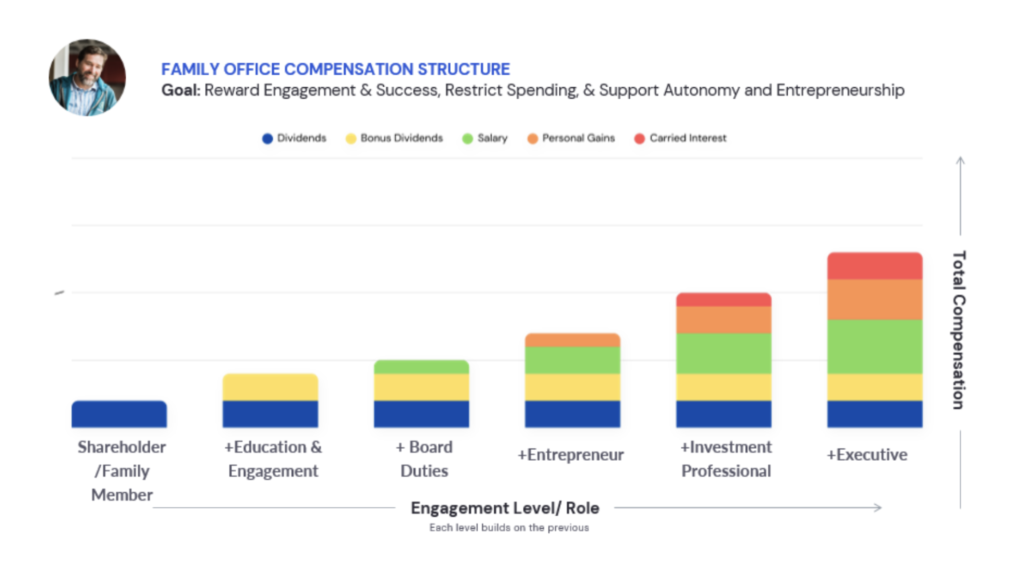
What could family offices do differently to better engage next-gen members?
Owen: I learn a lot from ongoing conversations with family advisors. They have important skills and I really respect their opinion. I know our family office advisors treat the family as the client/employer—not the people holding the wealth. So, they take a holistic view and feel the need to develop and support the skills and knowledge of the family members.
Arnaud: Stop treating engagement as an education program. The default move is to send the next gen to a wealth management seminar and say you are onboarding the nextgen! It rarely works. Three things actually move the needle: give them real responsibility (a small allocation to manage, a real seat on a investment or philanthropy committee, a project they own); be radically transparent about the numbers, the structures, and the trade-offs; and finally, one that I feel is (maybe) the most important is to connect them to peers in other families. The next generation learns more from other next gens than from any advisor in the room.
Saputo concluded the discussion with a lightning round of questions. And a few items the panelists agreed on are as follows: transparency is a key to success when it comes to building trust within the family and for generations moving forward; more entrepreneurship from the younger generations is yes, individually rewarding, but it’s also essential for the future growth of the family; and finally difficult conversations are mandatory—but it’s equally important to remain respectful.
Ashley Redmond is a content producer at Canadian Family Offices. She is Toronto-based journalist and has over 15 years of experience covering the investment industry. She has written for the Globe and Mail, Morningstar Inc., and Huffington Post.
Disclaimer: This story was created by Canadian Family Offices’ commercial content division on behalf of PBY Capital, a member and content provider of this publication.
PBY Capital Limited is registered as an exempt market dealer, portfolio manager and investment fund manager with Canadian provincial securities regulatory authorities, servicing family offices and their professionals. For more information, visit: www.pbycapital.com. The opinions and information provided in this article are solely those of the writer and are not to be construed as personal, legal, accounting, taxation, or investment advice, or as an endorsement of any entity.