


Business families lack the emotional preparedness for ownership and wealth transitions, according to new research that highlights the challenges that lie between owner-founders and the next generation—gaps that could hamper their future direction.
A study by Veritage International, a global coaching firm with a focus on emotions, family dynamics and succession, suggests that the generations are disconnected when it comes to the mindset and skills needed to handle wealth.
“This research paints a picture of growing urgency,” says British Columbia-born Francesco Lombardo, founder and managing director of Veritage. His firm, based in Bermuda, focuses on multi-generational, family-owned businesses and their family offices, specializing in “emotional governance,” the ability of individuals to acknowledge and regulate their emotions.
For the study, Veritage surveyed and virtually interviewed 35 founders and current owners as well as 42 next-gen members of wealthy families to get their perspectives, especially concerning the transition of leadership. Lombardo says there was a large Canadian presence, with 58 per cent of respondents in North America and about three-quarters of those in Canada.
The resulting report, The Missing Link in Family Business Transitions, highlights a series of disconnects between the generations, from how ready each is for a transition and how included they feel in its planning to whether they feel heard.
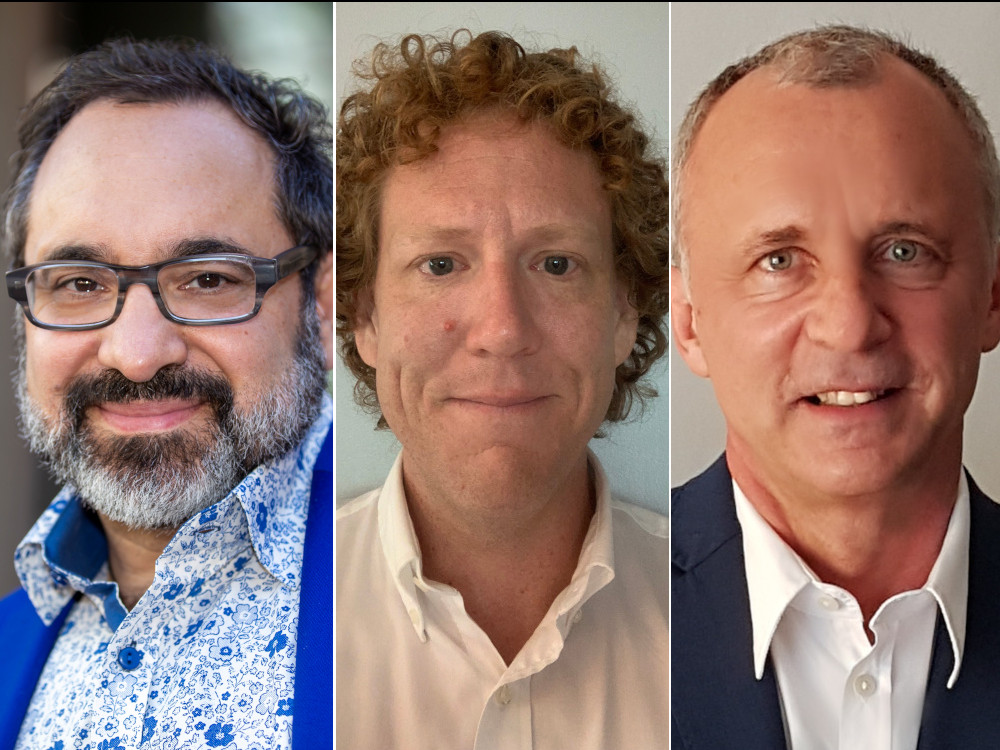
“There’s a lot of crucial topics that are not being spoken about in families,” says Thomas Clark, Veritage’s chief operating officer, based in Halifax. “The primary reason is that people aren’t comfortable to raise them or discuss them. They don’t feel safe enough within the family.”
The research showed differences of opinion in terms of what the next generation needs to become leaders, Clark says. Owners and founders said they primarily evaluate potential successors by observing their skills, talents and desires, which they assess chiefly by inviting them to join the family council and other boards. They consider the next gen to be prepared to take on ownership and wealth decisions when they’ve demonstrated leadership skills.
However, when the younger generation was asked what it means to be “adequately equipped” to take over ownership or inherit wealth, most said they should be “emotionally mature and ready,” while fewer said they should have outside work experience, work in the family business or earn a university education.
Brian Radomski, an executive and family coach for Veritage based in Bangkok, is not surprised at the emotional differences the study found within wealthy families.
“Variations of this show up in all of our lives,” he says. “It’s magnified in the case of ultra-high-net-worth families. It can open the door to greater danger, and there’s so much trouble you can get into.”
He says that when it comes to communication, 94 per cent of founders and current owners compared with just 65 per cent of next gens say they feel heard and understood, leaving one-third of that group feeling they don’t have a voice or say in key matters.
The next gen doesn’t feel emotionally safe to express their opinions.
Francesco Lombardo, founder and managing director of Veritage International
Radomski notes that each generation may have a different idea of what constitutes communication, for example on which platform and with what frequency. “To me it might mean heart-to-heart conversations, while to someone else it might mean, ‘Well, you’re invited to all the board meetings, you’re present when we’re sitting with the accountants—how much more communication do you want?’”
It’s important to “add some specificity” to expectations in areas such as communications, he cautions. “How wide are the topics? What’s the vocabulary?”
Lombardo says that “the next gen doesn’t feel emotionally safe to express their opinions,” and involvement in family councils, governance and boards doesn’t help. “That’s the top of the table, but if the legs of the table are made of Jell-O, which is the lack of emotional safety, the table is not as solid as it can be.”
Clark says that when asked to pick out the top emotional challenges in the family, founders and current owners identified entitlement and rivalry, “and it’s not a stretch to say those are two terms that are generally applied to the next generation.” When next gens were asked the same question, their highest issues were communication (or lack thereof) and control, he notes. “And again, it’s not a stretch to say those are two things that they’re seeing in their parents’ generation.”
Radomski says the complaint among the older generation that children are entitled is common but misleading. “I may see a child living a more pampered life—which I afforded them—and it can create a distortion that blinds me to the experience of the next gen and their actual competence,” he says. “We carry our own memories and bring them forward, and some of those memories can cloud our ability to move through the future.”
For instance, owner-founders often have a bias against next gens they’ve known since they were children. “It’s difficult for the senior generation to fully appreciate what the next generation is bringing in when they remember them as neophytes.”
In every family, there’s one or two people that are barriers. For instance, you hear, ‘Dad would never go for that.’
Thomas Clark, chief operating officer, Veritage International
Clark is concerned that without a path mapped out for younger people to take over ownership and wealth decisions, “we have a bunch of disengaged next gens who are saying, ‘You know what? Maybe this isn’t for me. I’m going to go look for work elsewhere.’” In the interviews conducted for the study, both sides acknowledged they had issues with emotional preparedness, but there was resistance to finding solutions. “In every family, there’s one or two people that are barriers. For instance, you hear, ‘Dad would never go for that.’”
The study found some similarities between the two generations, Clark notes. For example, both sides feel a pressure to perform, which comes from within themselves. “Most of the next gens don’t really feel comfortable talking to their family members about that. And that’s a huge risk.”



When asked how the succession process is being managed in the family, both generations reported having regular family council meetings, but only in about 30 per cent of cases. Others rely on informal conversations or their active governance document. Some two-thirds of respondents said they meet quarterly to talk about business succession, with only 20 per cent meeting weekly to discuss attitudes, challenges and goals.
The study found alignment between the generations when it comes to the external advisors the family has engaged, with the top three being experts in legal and tax structures, traditional family governance and investment allocation.
Clark notes that just 12 per cent of respondents reported working with an external advisor on emotional family dynamics.
“That needs to be significantly higher if families want to have a chance at success in the long term,” he adds, noting that 71 per cent of founder-owners and 64 per cent of next gens said it would be beneficial to have more support during difficult emotional family conversations.
Coming soon: How the generations can prepare emotionally for succession challenges—a one-on-one interview with Francesco Lombardo, managing director of Veritage International.
Mary Gooderham is a writer, editor and communication advisor based in Ottawa. She leads Cohen Gooderham Communications and has worked as a journalist for more than 40 years at The Globe and Mail, as a recording officer at the International Monetary Fund and as a custom content creator for online and print media. She’s been a contributing writer at Canadian Family Offices for four years, focusing on investment strategy, trusts, philanthropy, women in finance and estate planning.
The Canadian Family Offices newsletter comes out on Sundays and Wednesdays. If you are interested in stories about Canadian enterprising families, family offices and the professionals who work with them, sign up for our free newsletter here.
Please visit here to see information about our standards of journalistic excellence.