

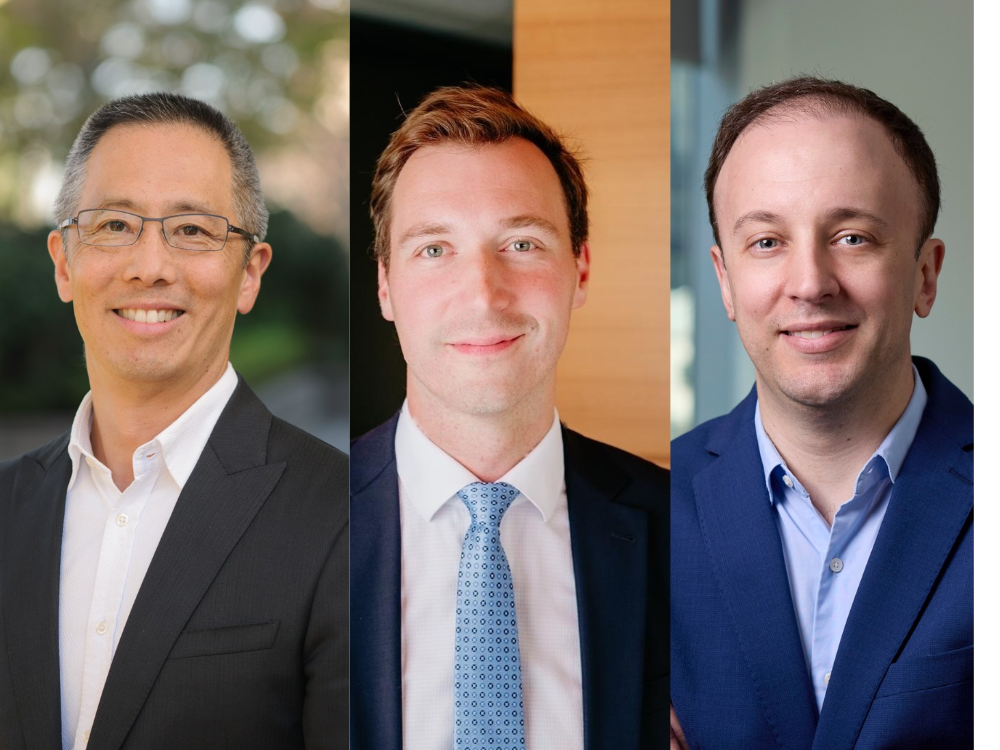
Working in a multi-family office isn’t just about crunching the numbers on tax returns and financial statements. It requires managing relationships and delving into the complex needs of a family enterprise. And here, there’s a crunch of a different kind: a talent crunch.
Finding and retaining staff members interested and proficient in “soft skills” can be difficult, multi-family office leaders say, because of the range of qualities needed and competition in the growing industry. In Canadian Family Offices‘ recent survey, The Multi-Family Office Landscape in Canada 2026, recruiting and keeping talent was identified as one of the most pressing challenges to MFOs’ operations and growth.
“Our business requires a number of people to get the work done,” says Michael Louie, a partner at D&H Group LLP, an MFO in Vancouver. There’s been a talent shortage for the last decade, especially for accountants who been more attracted to technology companies where they “make some really good money with options,” he says.
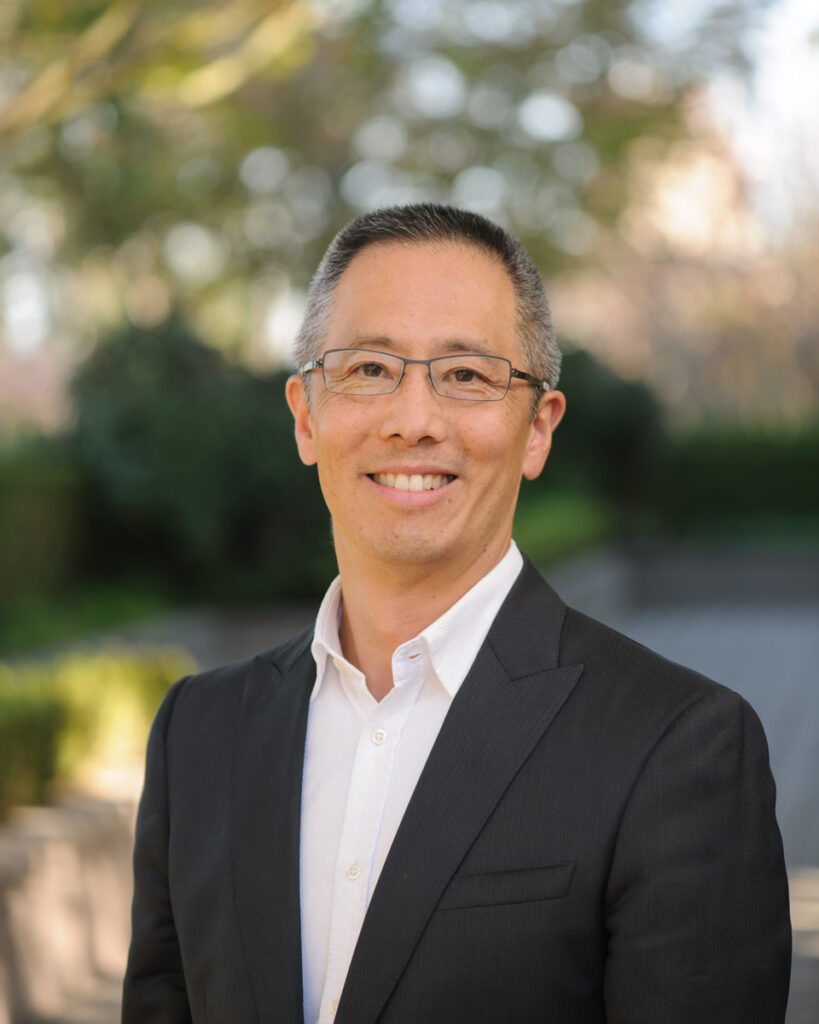
“If you’re a traditional accountant, you like consistency and predictability,” Louie adds, while “family office work is out of the traditional box of accounting; it’s a lot more advisory and customized,” with tasks that are “interesting and open-ended.”
MFOs like D&H look for people for such jobs who “are constantly learning,” Louie says, with a lot of mentoring and training continuing on the job.
“Every family has a level of dysfunctionality. It’s just a matter of figuring that out, helping them and maybe showing them their blind spots,” he points out. “I’m the conscience in the room, thinking about the type of services that would make sense.”
Soft skills required
The people skills in an MFO especially involve a high level of communication and being a good listener, Louie says. “The challenge of working in a family office is its unpredictability, because sometimes there are just a few issues to deal with, and then there are other times when it’s a four-alarm fire.”
Adam Fisch, relationship manager and head of family continuity at Our Family Office, an MFO in Toronto, says the skills that employees need depend on their role. “On the planning side, and certainly work around family governance and communication, emotional intelligence is critical,” he adds.
For example, staff members may lead discussions in families around sensitive topics that the family members themselves don’t have much experience dealing with, from day-to-day finances to their own mortality. “It’s necessary to facilitate those conversations in a healthy and productive way,” he says.
Running a multi-generational meeting “where there may be a history of tension, there’s a history of emotional complexity between different family members, is difficult and not for everyone,” Fisch adds.
The intertwined factors
A distinguishing factor of working in a family office is that “the qualitative and quantitative sides of a family are inevitably intertwined, and having a team with expertise across that spectrum, working together, leads to better outcomes,” Fisch says. “Having a combination of technical expertise and emotional intelligence is rare and very valuable.”
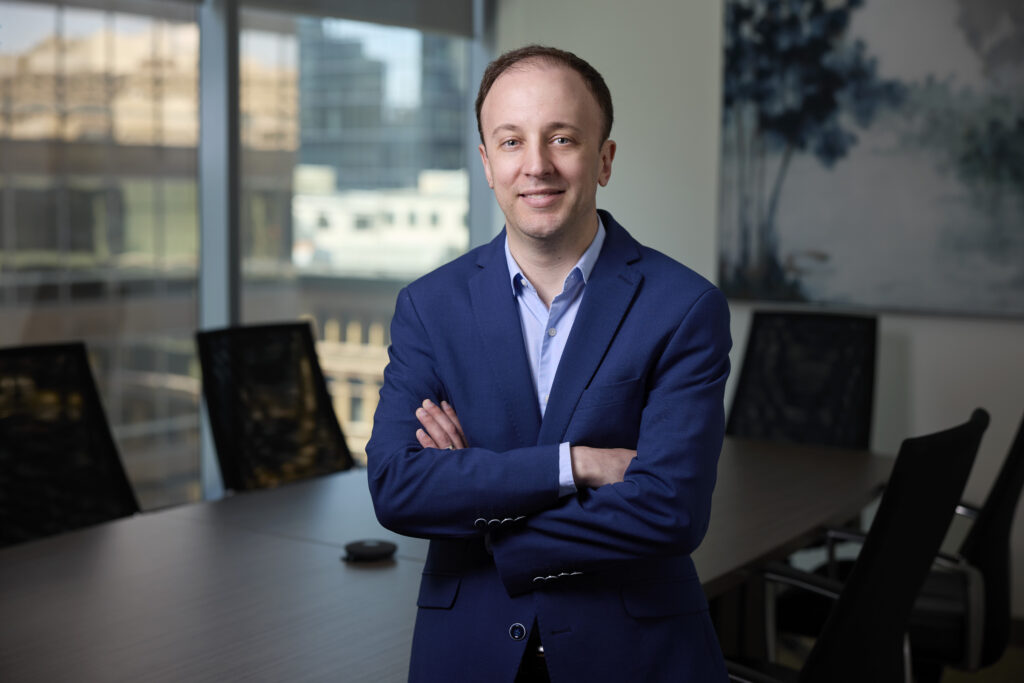
In recruitment, a first screening focuses on technical knowledge, “because that’s a baseline and we’re not a training ground, so there’s an expectation that you have to have a certain level of understanding of investment, tax, those kinds of things.” Meanwhile, soft skills “can always be enhanced, but to some extent you are who you are,” Fisch points out, although adding that “there’s staff on the compliance team that don’t necessarily need that broader skill set.”
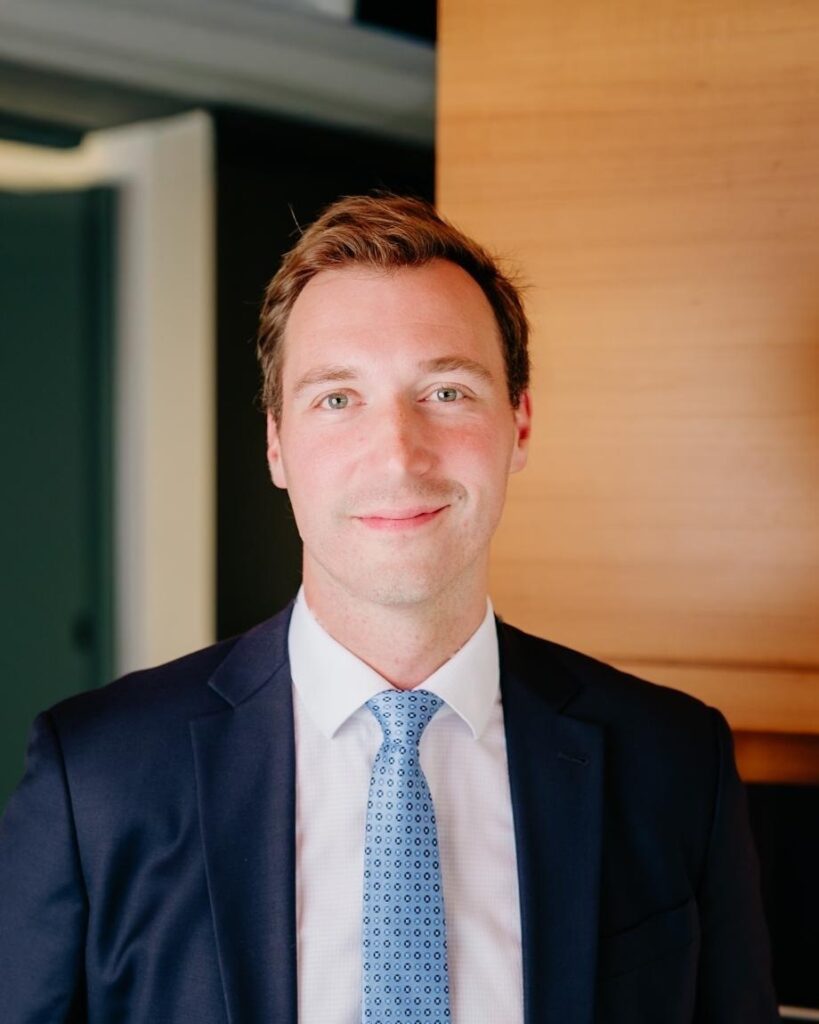
Félix Boyer, vice-president of client partnerships at Brightstone Financial Group, a Montreal-based MFO, says that in addition to technical expertise, would-be recruits to MFOs “need the curiosity and the willingness to learn about different domains” beyond their fields.
“You might be a tax expert to begin with, but if you want to work with families, you’ll need to understand more about investment, dynamics and governance,” he explains. An investment professional might equally “need to be more fluid with accounting, tax, philanthropy, dynamics and governance. You need to be a jack of all trades.”
Investment professionals require a “third filter that aggravates the talent crunch,” Boyer says, which involves shifting their mindset to look beyond the risk-return profile common in the institutional space. “With a family you start with, ‘What’s the purpose of the capital?’ It’s literally their money.”
The job isn’t for everyone, he notes. “You might get people who are not interested in that multidisciplinary nature and not interested in career growth, and it becomes way tougher to poach them from the institutions.”
Families never get fixed. You’re just trying to improve everything by increments.
Michael Louie
And some of these soft skills “are not necessarily trainable in the traditional way technical skills are,” Boyer says. “We spend quality time with junior folks teaching and elaborating on how an entrepreneurial family might expect white-glove service.”
His firm’s strategy is to point out the career path and growth opportunities the job can bring. “We’ll be able to put you in front of families, because we have so many new families coming on board our platform.”
Finders keepers
Hanging on to good talent means “asking them, ‘What’s your passion?’” Boyer adds. “There are so many different responsibilities to take on here that it creates opportunities to keep people happy.”
He says another attractive part of working in a family office “is the realness of what you’re doing.” Employees in the institutional space “can be pretty far removed from the retirees who are going to be receiving a pension afterward,” he notes, while staff in family offices can get involved in a client’s charitable foundation work, for instance, and see the impact of everything they do.
How can MFOs find staff members who go that extra mile? “It’s going back to the basics. You need to take an interest in humanity and mentor and train and sell them the dream,” Louie says. “Young people are looking for more than just a job; they’re looking for some meaning and some perspective.”
He feels that artificial intelligence could help with the staffing crunch and “create an interesting dynamic and opportunity in our business, because it’s taking over a lot of routine work.” As long as families’ privacy issues can be satisfied, AI could be responsible for organizational tasks—for example, connecting the family’s various investment silos to assess portfolio risk and strategy.
On the human side, developing advanced skills and knowledge is not a quick matter for young recruits, Louie adds, because trust can be built only through long-term relationships with clients.
“That doesn’t happen overnight,” he says. “Our training as CPAs is very prescriptive. You have a tax problem? You fix it. You implement a plan. Done. Families never get fixed. You’re just trying to improve everything by increments.”
Mary Gooderham is a writer, editor and communication advisor based in Ottawa. She leads Cohen Gooderham Communications and has worked as a journalist for more than 40 years at The Globe and Mail, as a recording officer at the International Monetary Fund and as a custom content creator for online and print media. She’s been a contributing writer at Canadian Family Offices since 2021, focusing on investment strategy, trusts, philanthropy, women in finance and estate planning.
The Canadian Family Offices newsletter comes out on Sundays and Wednesdays. If you are interested in stories about Canadian enterprising families, family offices and the professionals who work with them, but like your content aggregated, you can sign up for our free newsletter here.
Please visit here to see information about our standards of journalistic excellence.