

The Ebro River flows southeastward from its source in Fontibre (from Latin Fontes Iberis, meaning “sources of the Ebro”), a small village in the Sierra Cantabria in northern Spain, all the way to southern Catalonia where it meets the Mediterranean Sea. The river once roughly drew the border between the hostile kingdoms of Castilla and Navarra, until the latter was annexed by Castilla in the early 16th century.

It’s not surprising, then, that this former frontier land is so rich in castles and fortified villages. The ruins of some 80 or so remain as symbols of those fractious times, some repurposed as town halls, or restaurants or boutique hotels. The name Castilla derives from castillo, or castle. This is indeed the land of castles.
Today, the Ebro marks, for the most part, the border between the regions of La Rioja and the Basque Country. But, more importantly for wine, it forms the spine that runs through Spain’s most famous denomination of origin (denominación de origen): Rioja DOCa.
Rioja is at once Spain’s oldest official D.O., established in 1925, and also its most diverse and dynamic. At the recent centennial celebration of the creation of the D.O., Raquel Peréz Cueva, president chair of the control board (Consejo Regulador) DOCa Rioja, reflected on the need to keep evolving. “It is not just about looking back with pride, but thinking about what brought us here to create our future. Today, we close a chapter but open a new one,” she said.
“Rioja’s legacy has been deep in consistency, but it only lasts if it continues to evolve. Rioja is a region in motion, a region that anticipates and connects with new market realities. Falling behind is more dangerous than evolving; adaptation is not optional.”
My latest visit provided abundant evidence that Rioja wine is in full and radical evolution, while holding on to the most successful pieces of the past.
What is traditional Rioja?
What most consider to be traditional Rioja is first and foremost a red wine, produced mainly from tempranillo sourced from several sub-regions, and aged for an extended period in American oak barrels. It is relatively pale garnet red in colour and redolent of oak-derived sandalwood and cedar, leather and spice, shaved coconut and dried red fruit, with tannins already silky at bottling thanks to long aging in the oxygen-rich environment that porous oak provides. They can be wonderful wines.
But it’s worth noting that the origin of this “traditional” style is relatively recent, dating back only about 170 years. Considering that wine has been made in the region for at least 2,000 years, the conviction that this is tradition is questionable.
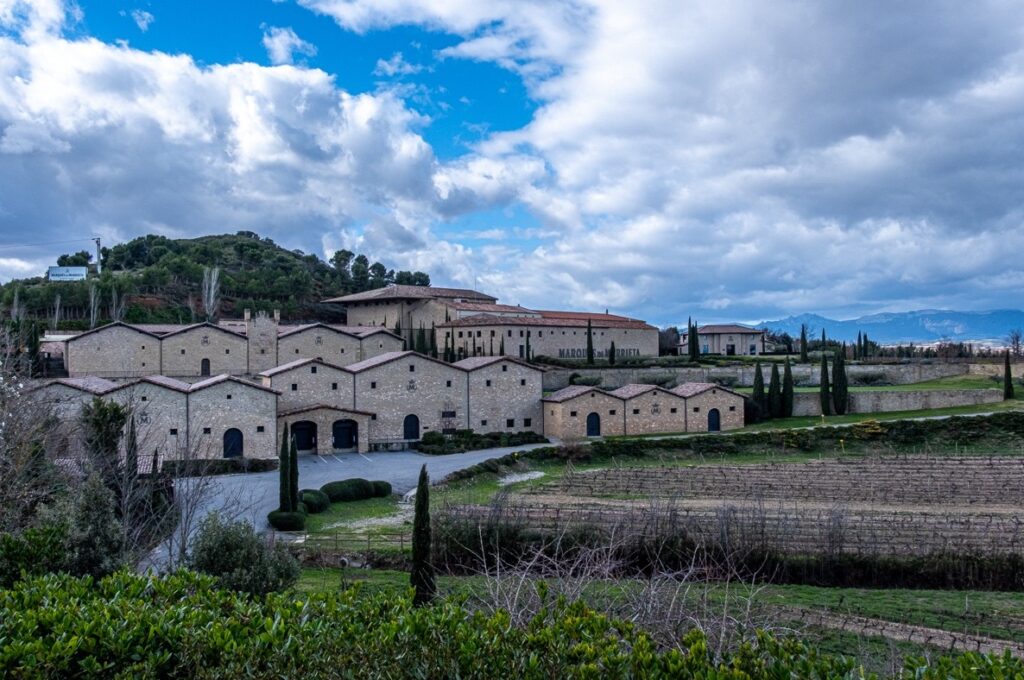
The style described above is attributed initially to two marquises: the Marqués de Riscal and the Marqués de Murrieta, who in the 1850s travelled to Bordeaux to observe the winemaking techniques of the day, later returning to Spain to emulate the Bordeaux style. French oak barrels were traded for less expensive American oak brought directly from Spain’s North American colonies, and the style was born.
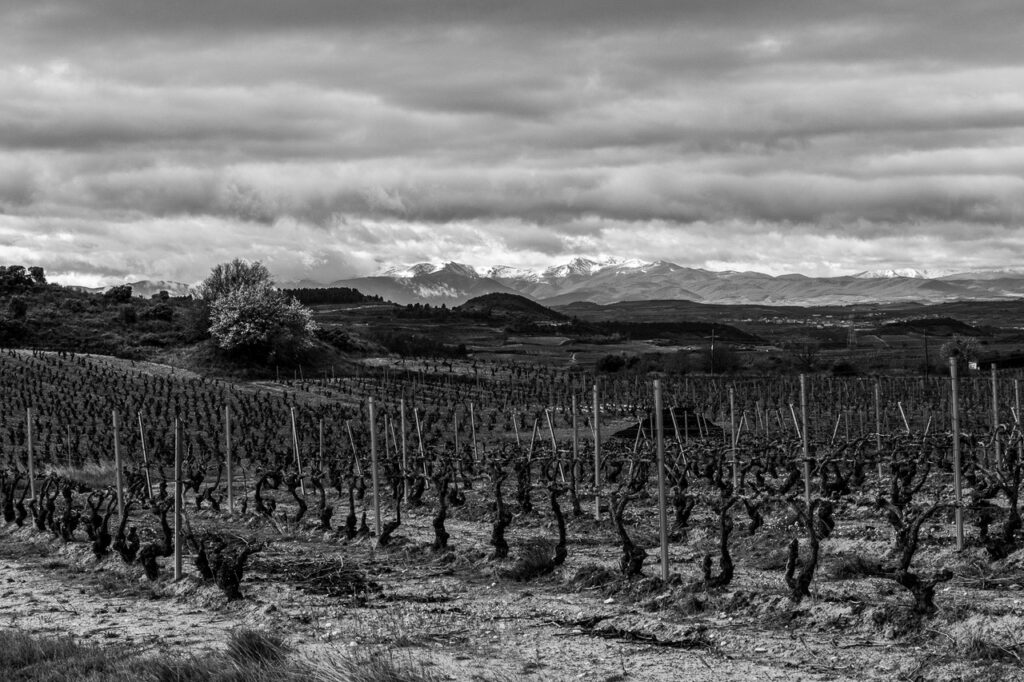
Prior to this period, much of the wine produced in the region was made in what is known as the vino de cosechero style, or “harvester’s wine,” which is to say young, fruity red wine made with carbonic maceration, using uncrushed, whole bunches of grapes (much like as for Beaujolais Nouveau) in small family “wineries” with minimal equipment. It was sold locally in bulk to consume young (or drink by the family)—and was not made to travel.
Then, several factors converged to help consolidate this “new style” of ageworthy and travel-ready red wine introduced by the marquises and build Rioja into a commercial powerhouse. First was the arrival of the railway station in the town of Haro in 1863, connecting it to the port city of Bilbao. This gave producers easy access to major markets both in Spain and abroad—a critical development for the industry.
Changes have been sweeping across Rioja, driven by a new wave of producers adapting to market realities and finding new voices for Rioja wine.
John Szabo
Still known as the Barrio de la Estación, or station district, in Haro, many now-classic producers, such as R. Lopez de Heredia, La Rioja Alta, Bilbaínas, and the Compañia Vinícola del Norte de España (C.V.N.E.), established their cellars near the railway station in the latter part of the 19th century for easy access to markets. (As a testament to the importance of Haro, it was also the first municipality in Spain to be electrified, on Sept. 17, 1890, when 62 streets were lit up with 260 lights.)
The twin plagues of mildew and phylloxera brought from American into Europe starting in France in the mid-1800s also gave Rioja an unexpected boost. Wine production ground to a halt as vineyards withered, leaving Bordeaux negociants scrambling for supply. A short distance away and with well-established wine production, and where phylloxera had not yet reached, Rioja was a logical source of wine. Trade flourished.
Fast forward a century, and the practice of aging wines before bottling became enshrined in the appellation regulations, with the categories of Jovén (now Genérico), Crianza, Reserva and Gran Reserva officially defined in 1980, in increasing length of aging in wood and bottle before release. Gran Reserva, for example, must be cellared a minimum of five years after harvest before release, a period that includes at least two years in barrel.
Reflecting new realities
But since the turn of this century, changes have been sweeping across Rioja, driven by a new wave of producers adapting to market realities and finding new voices for Rioja wine. These more “modern” wines are very often from specific subregions or vineyards rather than cross-regional blends, and are aged for shorter periods, more frequently in French than American oak, or in neutral vessels such as concrete or clay. They are much fresher and fruitier, sometimes riper and denser, and more deeply coloured.
Vinos de cosecheros are also making a comeback, as are clarete wines, essentially deep rosé or pale red wines made from harvesting and fermenting together old vine field blends that contain both red and white varieties, as was traditional once upon a time.
To reflect this new reality, the Rioja consejo regulador introduced a new, parallel system of classification in 2017 based on origin rather than length of aging. Vino de Zona, Vino de Pueblo and Viñedo Singular represent wines in increasing order of specificity, from a defined but fairly large area such as Rioja Alavesa or Rioja Alta, through to wines from vineyards within a single village, and down to bottlings from registered single vineyards. The classifications also come with increasingly restrictive production regulations regarding minimum vine age and yield—for example, putting Viñedo Singular at the top of the quality pyramid, the Riojan equivalent of a Burgundy Grand Cru. These origin classifications can be coupled with the aging categories; for example, “Vino de Pueblo Reserva,” a situation which admittedly adds layers of complication for consumers.
But the system is surely a better reflection of the reality on the ground, a formal recognition of the inherent natural diversity in the region, its varied soils, aspects and elevations from the banks of the Ebro to vineyards in the Sierra Cantabria and Sierra de la Demanda at over 800 metres. That has earned Rioja the twin tag lines of “100 Kilometres of Diversity,” referencing the appellation’s considerable span from east to west, and “The Land of 1000 Wines.”
And while tempranillo is still the most planted variety by far, representing almost 88 per cent of acreage devoted to red grapes, many producers have been rediscovering the other indigenous varieties with long history in Rioja, such as garnacha (grenache), graciano, mazuelo and maturana tinta, many from ancient vineyards. Later ripening and with higher natural acidity, these alternative varieties are proving to be a critical resource in maintaining naturally balanced wines in an era of ever-hotter summers.
When you say ‘Rioja’ with no other reference, you say nothing. There’s no such thing as ‘Rioja’ without additional adjectives.
Pedro Ballesteros, Spanish Master of Wine
White wines, too, are gaining in both volume and importance. “We are well known for our red wines, but our whites rank among the world’s best,” affirms Peréz Cueva. The region renewed focus on whites about 20 years ago, based mainly on viura (two-thirds of white plantings), though with another eight varieties permitted, including white-skinned variations of tempranillo, garnacha and maturana. Whites together now account for about nine per cent of the region’s 66,000-plus hectares of vineyards currently planted.
There’s no such thing as ‘Rioja’
From such different subregions, potential varieties, blends, soils and elevations, and producer philosophies, the assortment of Rioja is now more diverse than ever. Indeed, during a tasting featuring this diversity during the centennial celebration, Spanish Master of Wine Pedro Ballesteros, who was leading the event, declared that “When you say ’Rioja’ with no other reference, you say nothing. There’s no such thing as ’Rioja’ without additional adjectives.”
Red, white, rosé, blends, single varietal, single vineyards, young, old—all these traditional and new styles now coexist in the region. But unlike the Castellanos and Navarros of the Middle Ages, the wines coexist in harmony, not opposition, and the world is richer for it.
Below are the traditional and modern producers to seek out along with their most collectible wines, with Ontario Importers.
John Szabo’s Collector’s Guide
Five top white Rioja
95 Granja Nuestra Señora de Remelluri 2022 Remelluri Blanco
NOBLE ESTATES WINES & SPIRITS INC.
The top estate white wine from this beautiful, organically farmed property—a former monastic farm (granja) in the foothills of the Toloño mountains—is composed of garnacha blanca, viura and malvasia, blended with a few other varieties accepted under the “experimental varieties” designation, like viognier, marsanne and roussanne. I consider this 2022 a savoury, gastronomic wine, with ripe white- and yellow-fleshed fruit thanks to a warm growing season, yielding a wine of substantial depth and especially salinity. Orange peel and a raft of other botanical flavours add interest and complexity to the fruit. Length is excellent—it’s so salty in the end. Love this wine. Best from 2028. Tasted February 2026.
95 Marqués de Murrieta 2020 Capellanía Rioja Reserva
ROGERS & COMPANY
Murieta’s exceptional white Capellanía is produced from a single six-hectare vineyard planted in 1946, the former source of Castillo Ygay Blanco and the oldest on the Murrieta property, formerly a blend and now pure viura. The 2020 was fermented in concrete and spent 20 months in French oak followed by 15 months back in concrete before bottling. Aromatics are lovely, youthful, showing none of the caramelized oxidation of classical-style white Rioja, though high-quality oak notes simmer underneath the ripe white-fleshed orchard fruit, the chamomile, the sweet green herbs, acacia honey, lemon peel and much more. The palate is medium-full, fleshy and creamy, rich and round, with excellent length. A white not to be served too cold and preferably in large Burgundy-style glasses; also with carafing if serving over the next few years. Classy, sophisticated, polished white Rioja. 20,000 bottles made. Tasted February 2026.
95 Remírez de Ganuza 2019 Rioja Blanco Gran Reserva Olagar, Rioja Alavesa
ALL THE RIGHT GRAPES INC.
The Olagar vineyard gives its name to this exceptional white Rioja, a unique parcel, one of the highest vineyards in San Vicente de la Sonsierra at over 600 metres and planted in 1978 just a few hundred metres away from the vineyard used to produce Remirez de Ganuza’s “UV” tempranillo, but with much higher active limestone, and where roots can dig deep thanks to vertical fissures in the limestone mother rock. It’s also a cool, very windy site, and this current release 2019 is still very tight on the nose with mostly flinty, fruit-backwards character, hinting at future development of citric, candied, savoury-sweet herb notes that will develop in time. Energy on the palate is impressive, vibrancy and tightness high, with marked mineral-salinity emerging and lingering on the excellent length finish. A really fine and refined, elegant but powerful and expressive, complex wine. Very Canoca, chalky, classy. Best from 2029. Tasted February 2026.
94 Bodegas y Viñedos Pujanza Rioja Vino de Pueblo 2023 Añadas Frías
HERITAGE CELLARS
Established in 2013, Pujanza explores the limits of the coolest parts of Labastida in Rioja Alavesa with 40 hectares of vineyards, even parts that historically were not planted with vines. This is a beautifully aromatic example of pure viura, with abundant white-fleshed orchard fruit, also citrus peel, notably tonic and botanical, with sage and thyme, like a visit to the herbalist’s shop; wood is not a feature. Acids on the palate are crunchy and fresh, and the body is svelte and upright, a new paradigm for white Rioja—contemporary, sharp, age-worthy. 13% ABV. Tasted February 2026.
96 Bodegas Vínicola Real Rioja 2010 200 Monges Rioja Gran Reserva
ALL THE RIGHT GRAPES INC.
From the Rioja Oriental, formerly decried as a subregion best suited to bulk wines but today the source of many of the region’s most exciting wines, Vinícola Real produces this rare white from very old vineyards in which white grapes are found in field blends with red varieties, harvested and vinified separately, mainly viura but also with malvasia and other minor white varieties. This 2010 still shows notable youthful reduction and relatively pale colour—also fresh appley fruit, citrus peels and juice, and fantastic sapidity on the palate that draws copious saliva, also thanks to brilliant acids. Length, too, is superb; this is top-notch white wine, full stop. Tasted February 2026.
Ten modern-style reds
97 Bodegas Roda 2021 Cirsion
AZUREAU WINE AGENCY
Cirsion is Latin for “thistle.” It’s also the Roda company logo, and a wine that was not born from a plan but rather “found” while tasting grapes close to harvest time. The estate manager came upon a few vines in a special parcel that had grapes with particularly silky tannins, already polymerized (ripened to soft texture) in the vineyard. The year was 1996. These vines were marked and checked again in the following year, and later genetics would establish that these vines are a distinct biotype of tempranillo. Their fruit was harvested separately and treated differently, aged for a shorter period than Roda I, only nine months, and in 100 per cent new French wood, needing less softening time in wood. It always contains a percentage of graciano, in the case of 2021 15 per cent, among the highest in its history. And it’s a superlative vintage, amazingly dense and plush, silky, highly stylish, immediately announcing its quality from the start. Wood is a big part of the profile, but of the highest quality, with its dark chocolate and freshly roasted coffee bean contributions, sure to integrate in time. Tannins are supremely silky and velvety, and the texture is round and creamy, impossible not to love. A superior quality wine, to be sure. Six thousand bottles made. Tasted February 2026.
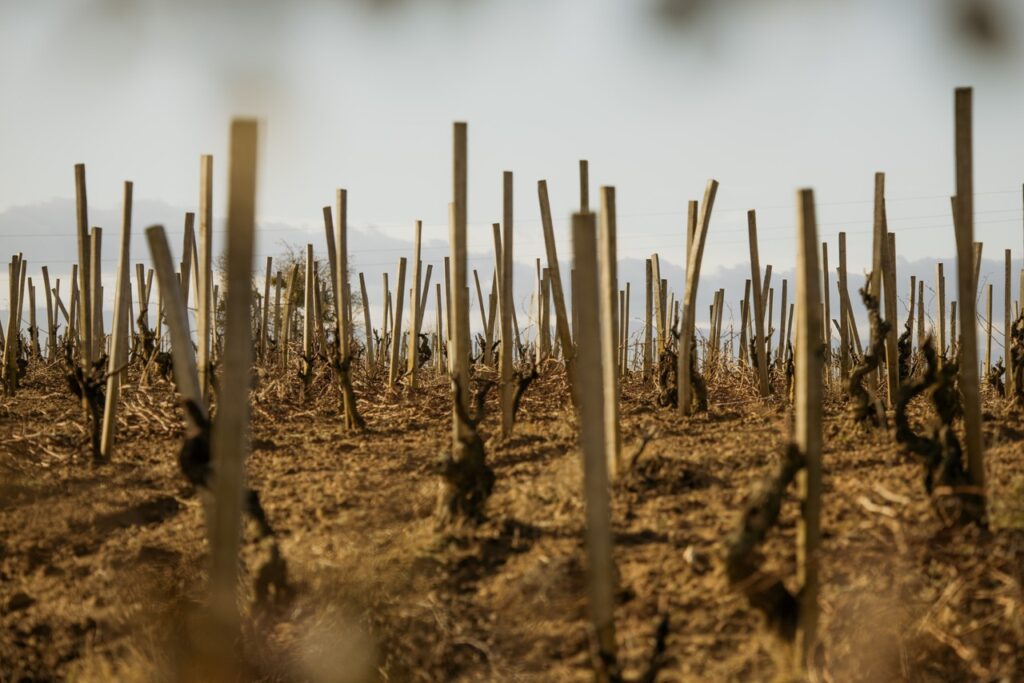
98 Bodega Artuke 2024 La Condenada Paraje Camino del Ciego Rioja Alavesa
ALL THE RIGHT GRAPES INC.
La Condenada is an ancient vine field blend of tempranillo with about 20 per cent graciano, garnacha and some palomino fino mixed in, planted in 1920 and 1940, now stake trained, on undisturbed sandstone soils in Baños de Ebro at 500 metres. I can see why it is considered a “grand cru” in the Artuke portfolio (also the most expensive), as it offers a spectacular set of aromatics, very floral, lifted, pure violets, roses and plum blossoms, beguiling, weaving such a wide range of attractive scents, like a perfume and herbalist’s shop in one. Fruit is all bright and red, crunchy and fresh though fully ripe, and the tannins are super silky and refined, delicate, but don’t be deceived: there’s ample depth and structure and this should age magnificently. Persistence on the palate is mind-boggling—the finish lingers on and on with its fine perfume. Such a fine wine. Best from 2028 or so. Tasted February 2026.
97 Arizcuren 2023 Rioja Barranco del Prado Viñedo Singluar
ALL THE RIGHT GRAPES INC.
A rare, tiny 0.32 hectare pure sandy parcel of pre-phylloxera vines around 130 years old, exact planting date unknown but ungrafted; a mixed field blend of garnacha, graciano del Alfaro and white calograño, among others, at 768 metres above sea level. In the past, these grapes weren’t used to make wine but rather harvested for table grapes to sell at Christmas, as ripening was so late, though now, of course, it’s ideal for wine. Although once surrounded by other vineyards, it’s now surrounded by forests, holm oaks and almond trees. Curiously, malolactic doesn’t always go through, as the pH is no higher than 3.2-3.3 even at 14.5 per cent alcohol, as is the case in this 2023. It delivers a gorgeous set of aromatics, wild scrub, savoury Mediterranean herbs, evergreen pine, like a walk through the forest. Fruit is ripe, a mix of red and black, framed by firm, grippy acids—the basis of the structure. I love the way this grips the palate, firmly but gently, and length is extraordinary—it just won’t go away, layer after layer, wave after wave. What a unique and intriguing, also beguiling wine, one of those rare bottles that carries a highly specific birth certificate. It needs another three to five years to hit peak drinking, I’d speculate—the acids need time to relax. Magical stuff. 978 bottles made. Tasted February 2026.
95 Sierra De Toloño 2023 Tereseño Garnacha de Altura
ALL THE RIGHT GRAPES INC.
From Ribas de Tereso in San Vicente de la Sonsierra, a single vineyard, “the best garnacha that I have,” says owner/winemaker Sandra Bravo, planted in 1944 on a particularly calcium carbonate-rich sandstone, aged exclusively in calcium-rich clay vessels from Catalunya. This is a high-tension garnacha with terrific energy and acids, high-strung vibration, a wine that gets you excited and revives the palate. The colour is not pale and the fruit neither tart nor red, but rather fresh, taut and darker, with plenty of scrub and savoury herbs, orange peel, a beautifully tonic expression. It’s one of those wines that tell you immediately it’s from a special place, with that extra dimension of flavour that only the finest have. It should last well into the late 2030s. Magical stuff. Tasted February 2026.
95 Remírez de Ganuza 2022 Rioja UV 100% Tempranillo
ALL THE RIGHT GRAPES INC.
“UV,” or “Unico Viñedo,” is produced from vines in San Vicente de la Sonsierra, La Canoca specifically, a valley that comes up time and time again in discussions of top Rioja, a blend of six parcels covering 4.2 hectares on two terraces with similar soils. It’s a pure tempranillo, very fine, longer than wide, fresh and aromatically intense; it has been bottled separately from the first year it was purchased in 2007. Ripe and fruit-forward with a sweetness to the red and mostly black fruit and evident oak contributions in the sweet baking spice and coffee-chocolate notes. The palate is pure velvet, soft, round, smooth, with no hard edges. Depth and concentration are excellent. An impressive, modern style that could one day fall under the Viñedo Singular designation. I appreciate the density and thickness without heaviness. Aged in specially selected Lagrange barrels from Burgundy. Cellar for three to four more years. Tasted February 2026.
95 Bodegas Muga Rioja 2010 Aro
VINEXX
Established in 1962, Bodegas Muga is one of the great houses that bridges old and new styles, and this 2010 is magnificent—still very youthful, it has to be said, with an ideal blend of fruit and wood spice. The palate is rich and velvety, also really well structured—the mazuela component (30 per cent) adds fine acids and pleasant grip. Length is excellent. I’d continue to cellar for another three to five years. Tasted February 2026.
97 Bodegas Ysios Viñedo singular 2019 Finca Las Naves
(No Ontario Agent)
Produced in the magnificent winery designed by famous Spanish architect Santiago Calatrava, the Las Naves Viñedo Singular (officially certified single vineyard) is a tiny, 1.1-hectare vineyard pre-phylloxera dry-farmed plot planted pre-1902 in Elvillar, at an elevation of 540-560 metres above sea level, bush vines cultivated in clay-sandy soils. Like all vineyards from this era, it’s a field blend of mainly tempranillo, but with a small percentage of other grapes such as garnacha, graciano and white viura. Everything is harvested and fermented together. The excellent 2019 vintage is beautifully perfumed, very floral, wildly complex, fresh, like pure wild violets and irises, and fresh-picked, crunchy-ripe black cherry fruit, unadulterated juice—I could smell this all day. The palate offers tremendous purity, depth and length, and such wonderful energy. Refined, delicate but intensely powerful underneath, understated, but unmistakably excellent. Tempting now, but it will surely reward another decade, or much more, in the cellar. Tasted February 2026.
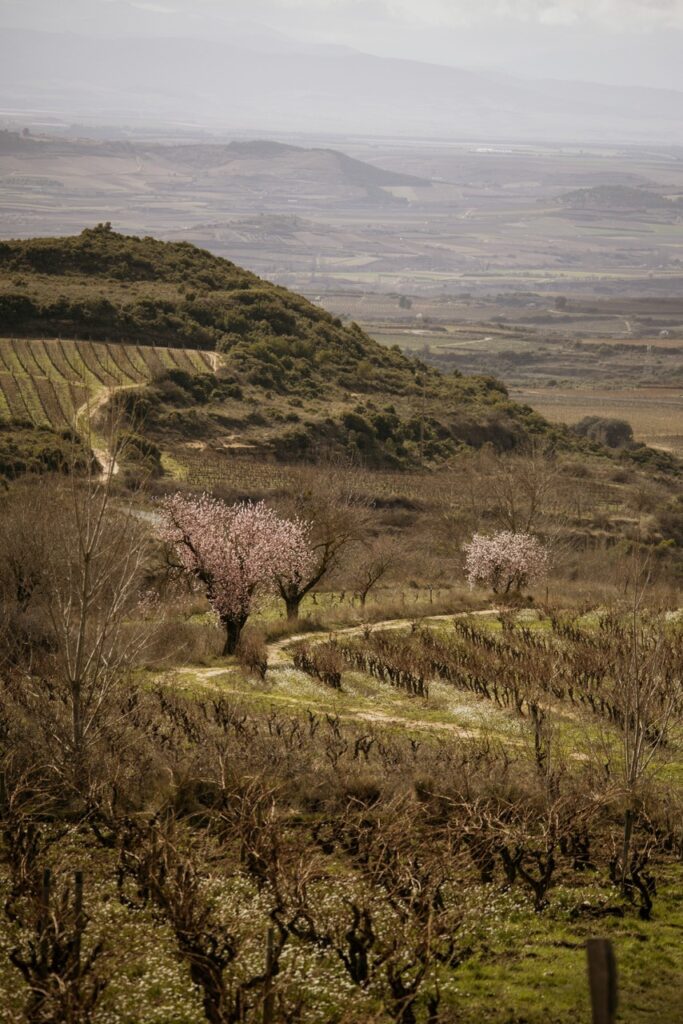
96 Granja Nuestra Señora de Remelluri 2021 Yjar
NOBLE ESTATES WINES & SPIRITS INC.
Yjar is the top wine produced by the indefatigable Telmo Rodriguez, always searching for perfection and new avenues, from his organically/biodynamically farmed 100 hectare property in the foothills of the Toloño Mountains. It’s the former farm and winter residence of Hieronymite monks (Order of Saint Jerome) who lived at and operated the farm at Nuestra Señora de Remelluri during the 14th and 15th centuries as a dependency of the Toloño Monastery, which was located on the summit of the nearby mountain. 2017 was the first vintage of Yjar, sold through La Place de Bordeaux, a 3.8-hectare single vineyard that lies close to the small chapel near the winery where tempranillo is interplanted with graciano, garnacha and rojal. The excellent 2021 is pure and precise, with perfectly dialled oak influence and well-delineated fruit. Fresh red and dark fruit leads with delicate spice, balance is pitch perfect, and length is magnificent. A top-notch wine, best from 2030, or hold a couple of decades beyond that, no doubt. Tasted February 2026.
94 Bodegas y Viñedos Gómez Cruzado Rioja 2023 Pancrudo
LE SOMMELIER INC.
The Gómez Cruzado winery is in Haro’s famous Barrio de la Estación, a short way from the railway station that was so crucial to Rioja’s success in the 19th century. Pancrudo is a pure garnacha from a very cool terroir, bush vines in the village of Badarán (Alto Najerilla) facing north and at an altitude of 650 meters. Yet there’s a certain ripeness on offer here allied to freshness, with bright red fruit, pomegranate, red currant and citrus peel, a unique and intriguing wine. The palate is fluid and crunchy, savoury and herbal; it’s fine and firm, dusty on the palate, absent evident wood influence. The history and future of Rioja? The rediscovery of garnacha is perhaps one of the most important evolutions in the entire region. Old vines, drought-resistant, keeps acids better than tempranillo. 14.5 per cent. Tasted February 2026.
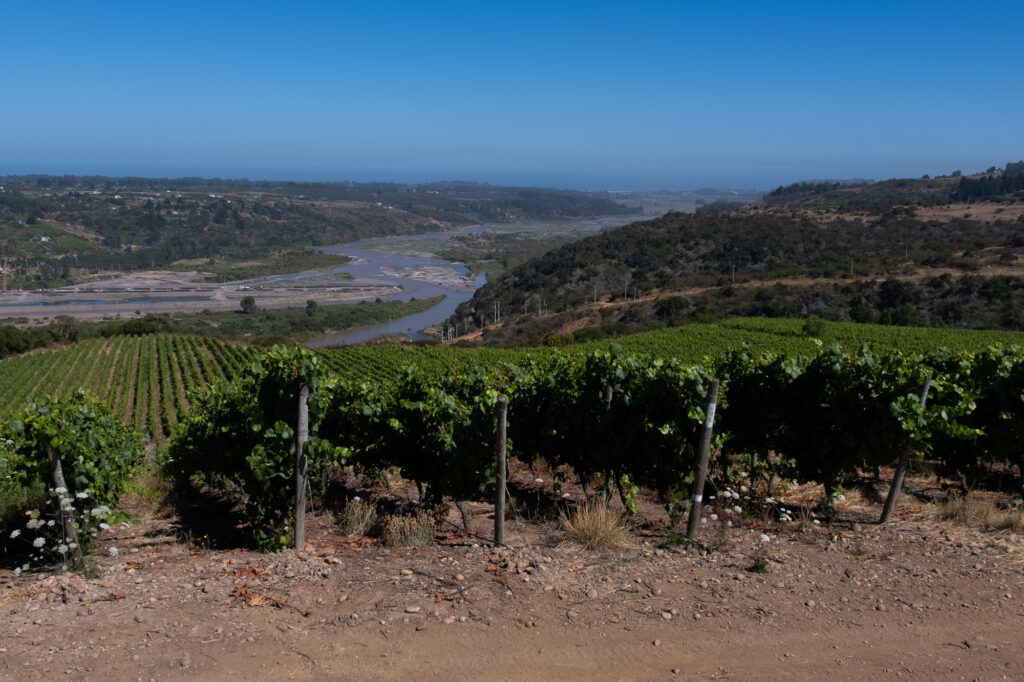
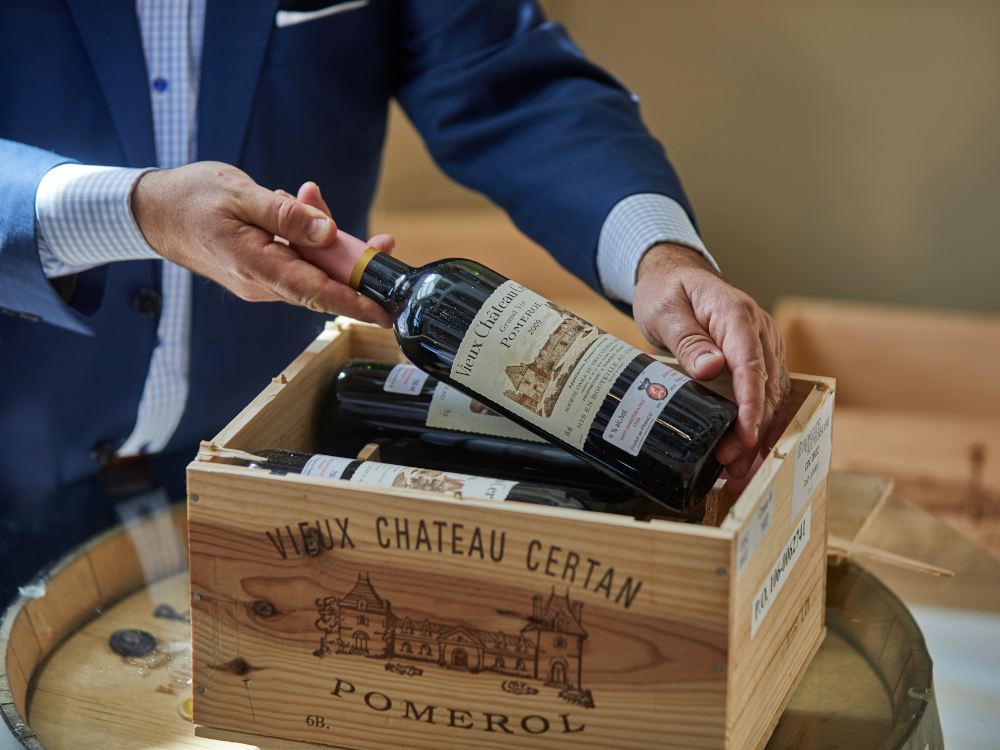
96 Marqués de Cáceres Rioja Reserva 2021 Gaudium
DIONYSUS WINES & SPIRITS LTD.
Gaudium is Marqués de Cáceres’s top bottling, and interestingly it’s made from purchased grapes—proof positive that Rioja growers can supply top-quality matière primaire, and that wine is also made in the winery. (People matter.) This 2021 is excellent indeed, clean and pure, very ripe, with polished wood (Cáceres was the first winery to introduce French oak in the region), sweet and broadly appealing, stylish, engaging. The palate is plush and dense, broad and substantial, satisfying. It’s impossible not to like this wine, considered one of the first new-wave, modernist wines. I’d just call it excellent. Best from 2030 or so—give it time to expand and develop—the structure will see this through several decades in the cellar. A top vintage in the region. Tasted February 2026.
Three traditional reds
98 Marqués de Murrieta 2012 Castillo Ygay Rioja Gran Reserva
ROGERS & COMPANY
Castillo Ygay, a Gran Reserva named for the toponymic name of the area, the first mention of which dates back to a 13th-century monastic document, is now, since the 2000 vintage, a single vineyard called La Plana on the Ygay Estate outside of Logroño. Planted in 1950, a majority of tempranillo (81 per cent) is aged in American oak, with the balance in Mazuelo, and the latter is harvested around three weeks later, aged in French oak followed by blending and resting in concrete for two years, and another six years in bottle. The colour of the 2012 has shifted into the deep garnet-red spectrum, and the gorgeous aromas and flavours offer a wonderful range of balsamic notes, gently desiccated red fruit, savoury herbs, fresh leather, brown spice. But it’s really the palate that beguiles with its supremely silky texture, vibrant freshness and ripe-firm acids; tannins have been polished to a fine sheen, so fine and refined and elegant. It gains in freshness with air in the glass. Open several hours before serving but don’t decant (directions from the estate sommelier). Pretty magical stuff. 103,000 bottles made. Tasted February 2026.
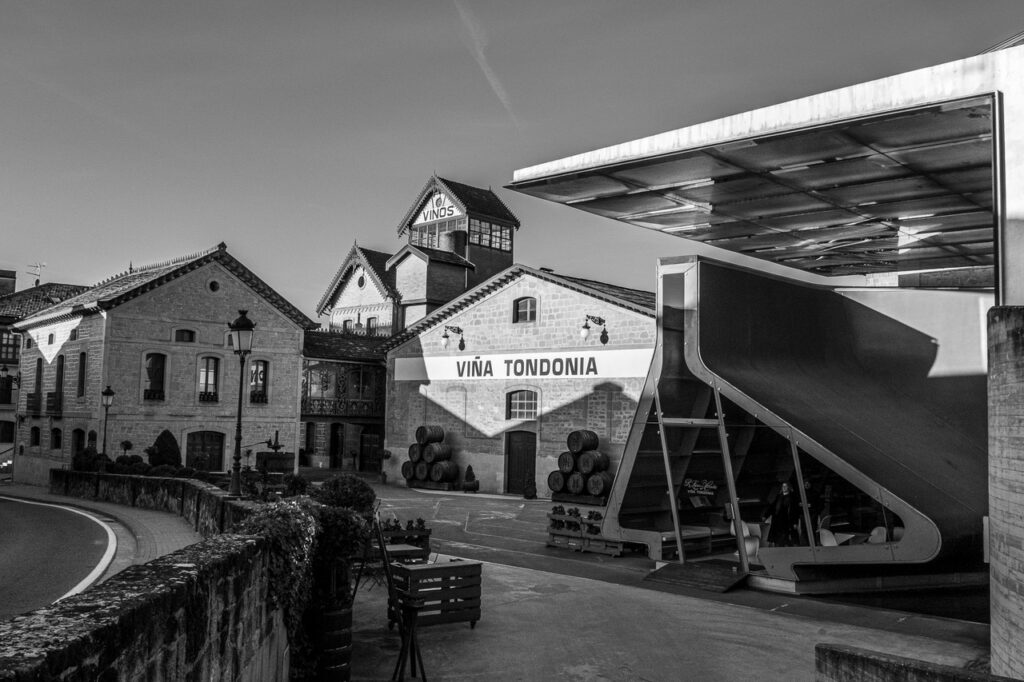
95 R. López de Heredia 2013 Rioja Reserva Viña Tondonia
JOHN HANNA & SONS
A powerful wine, deep and structured, fresher than the 2014 Bosconia tasted alongside, not as evolved as one would have expected. Tannins are more gravelly than Bosconia, and length and depth are a notch up. Complexity is off the charts. Some younger wines are frequently blended in to achieve a consistent style. pH is often around 3.4, very low. Such a unique and recognizable style. Drink or hold another two decades—these wines move very slowly indeed as the level of oxidation is very high already at bottling, saturated as it were, meaning it has little further left to go. Tasted February 2026.
98 C.V.N.E. Rioja Gran Reserva 2001 Imperial
FAMILY WINE MERCHANTS INC.
2001 is a legendary vintage in Rioja, one of those years when everything seems to have gone right; even the basic wines were excellent. And this Imperial Gran Reserva, the premium range from the historic Compañia Vinícola del Norte de España, is in magnificent shape, still so lively and vibrant, perfumed, showing maturity but vibrancy. The palate is beautifully balanced, silky-firm, powerful but delicate, an absolute stunner of a wine. So impressed by this, and there’s no rush to drink, either—it must have another 20-plus years ahead, at least. 85 per cent tempranillo, 10 per cent Graciano, five per cent Mazuelo. Tasted February 2026.
Please visit here to see information about our standards of journalistic excellence.