


For decades, luxury travel followed a familiar map: St. Barts in winter, Amalfi Coast in summer, Aspen or Courchevel for snow, the Maldives for privacy, and Paris whenever a wardrobe required replenishing. But for ultra-high-net-worth travellers and their family-office organizers, the definition of a dream vacation is shifting. The most sought-after destinations are no longer simply the most expensive or the most photographed. Increasingly, they are the places that offer what money has a harder time buying: space, discretion, cultural depth and the feeling of having arrived before the crowds.
That does not mean sacrificing comfort. “Stealth wealth travel,” as it has become known, is not about roughing it. Rather, it is about private guides instead of packed excursions, villas instead of hotel corridors, conservation-led stays instead of performative indulgence, and itineraries designed around children, grandparents, chefs, art historians or, sometimes, all of the above.
From remote rainforest lodges to Adriatic alpine towns and island chains that still feel genuinely wild, these destinations offer a different kind of prestige rooted in access, authenticity and serenity.
Lake Orta, Italy
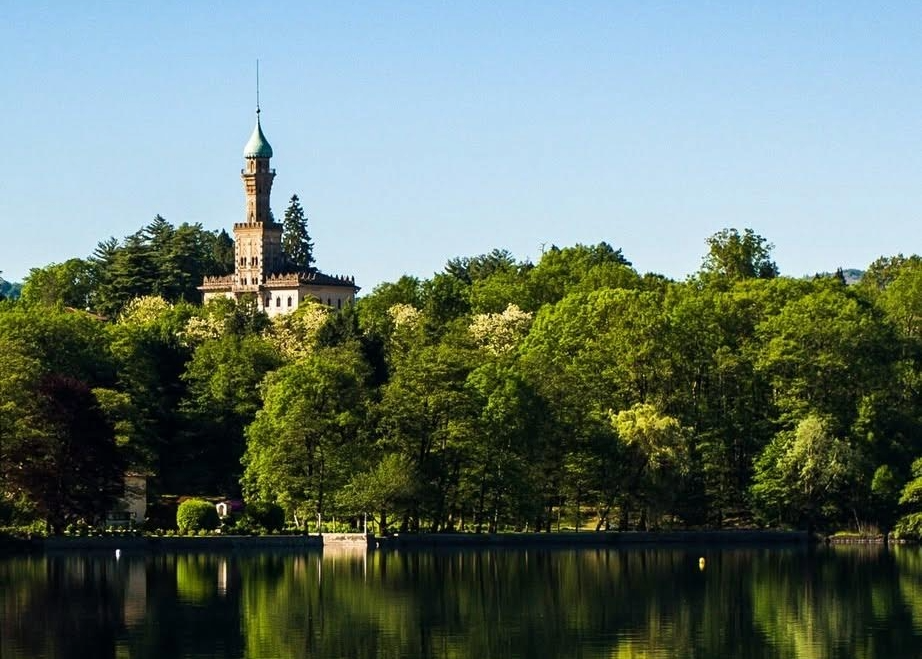
Lake Como has the villas, the celebrity sightings and the traffic. Lake Orta, tucked into Italy’s Piedmont region, has the hush. Smaller and more intimate than its famous neighbours, it feels almost conspiratorial, as if generations of Italian families agreed not to tell too many outsiders.
The village of Orta San Giulio is the natural centrepiece, with cobbled lanes, ochre facades and boats crossing to Isola San Giulio, a tiny island anchored by a basilica and monastery. The mood is contemplative rather than showy. Days unfold around lake swims, long lunches, private boat rides, garden visits and excursions into Piedmont’s wine country.
For affluent travellers, Lake Orta is particularly well suited to villa stays and culinary experiences. Relais & Châteaux’s ornate Villa Crespi, for instance, is home to its eponymous Michelin three-star restaurant.
Orta is romantic enough for couples, calm enough for grandparents and manageable enough for children. It also pairs beautifully with Milan, Turin or the Langhe, making it a discreet addition to a Northern Italy itinerary that avoids the most obvious stops.
Kanazawa, Japan
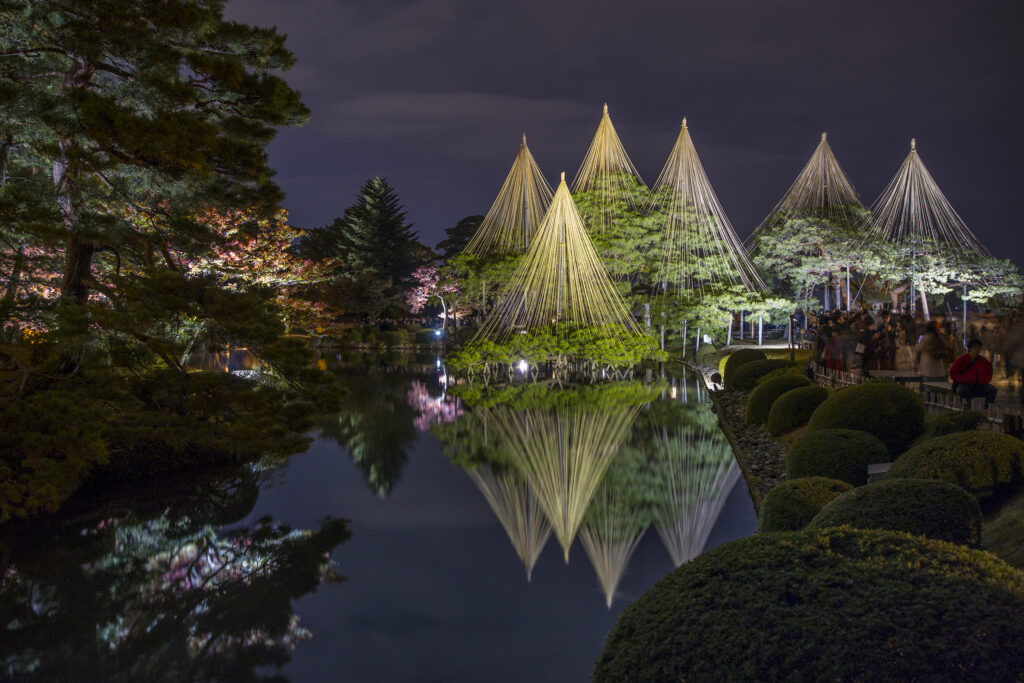
For travellers who love Kyoto but not its crowds, Kanazawa offers a more measured, equally rewarding alternative. Set on the Sea of Japan coast, the city has long been known for its gardens, samurai and geisha districts, gold leaf craftsmanship, contemporary art and exceptional cuisine.
Kanazawa’s appeal to wealthy families lies in its cultural density. A single day might include a private tea ceremony, a guided visit to Kenrokuen Garden, a sushi lunch built around seafood from the Hokuriku coast, a ceramics lesson, and an after-hours introduction to traditional craft-making at upscale lodgings such as Kinjohro Kanazawa. The city feels refined rather than flashy, and its scale makes it less overwhelming than Tokyo or Kyoto for multigenerational groups.
It also rewards repeat visitors to Japan. Once the obvious itinerary has been completed—Tokyo, Kyoto, Hakone, perhaps the art island of Naoshima—Kanazawa offers a more nuanced version of the country: elegant, historic and deeply rooted in regional identity. For collectors, design lovers and families interested in education through travel, it is a quietly powerful choice.
Emerald Coast, Nicaragua
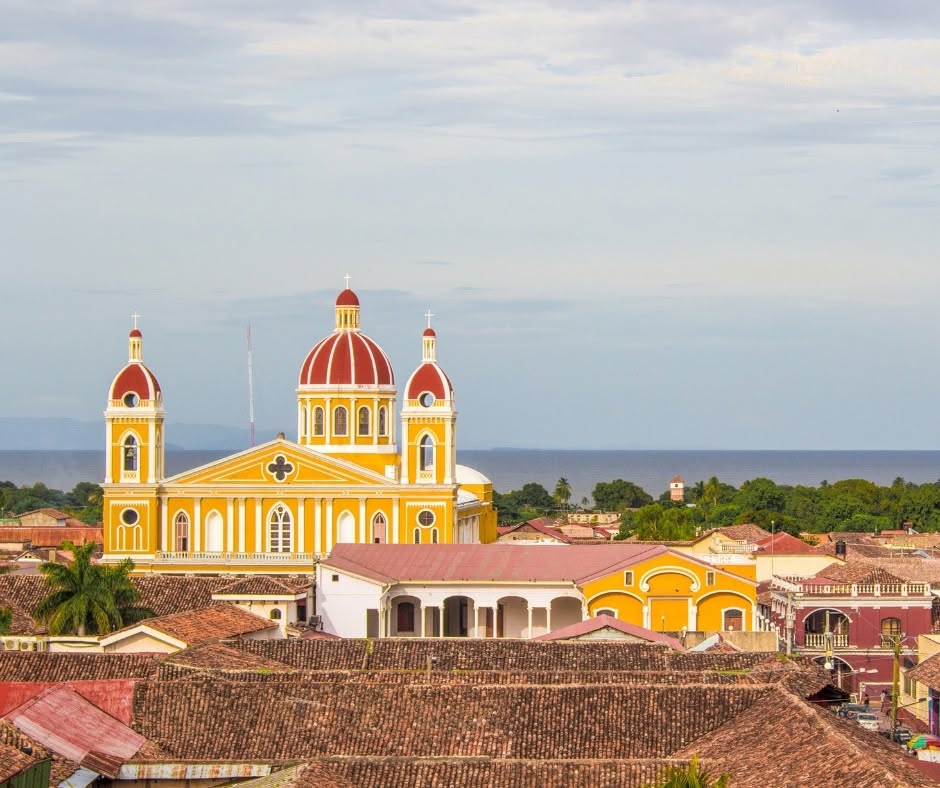
Nicaragua’s Emerald Coast, along the Pacific Ocean near Tola, has been building a reputation among surfers, wellness travellers and those who prefer their beach destinations with a little texture. It is not Cabo, and that is precisely the appeal.
The coastline delivers dramatic surf, broad beaches, sunsets, horseback riding, golf, private villas and a sense of open space that is increasingly rare in Central America’s more established enclaves. Upscale resorts such as Rancho Santana, which offers a stunning collection of oceanview homes, have helped introduce the area to affluent travellers while retaining a rugged, low-key character.
For families, the Emerald Coast offers an appealing combination of activity and ease. One day might involve surf lessons and a beach picnic; the next, a spa treatment, fishing trip or excursion to Granada or Ometepe Island. It is best suited to travellers who want comfort but not sterility, service but not sameness.
Corsica, France
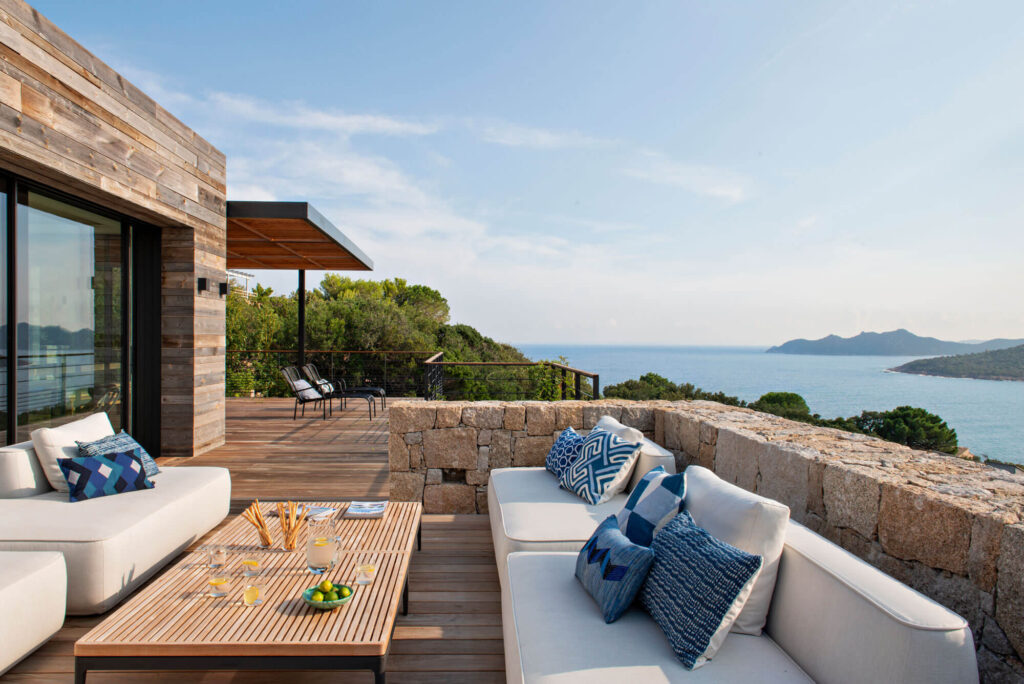
Wild, mountainous, fiercely local and ringed by beaches that would be mobbed if they were easier to reach, this Mediterranean island has long appealed to European insiders while remaining just far enough off the main luxury circuit to be intriguing.
For ultra-high-net-worth families, Corsica offers rare variety in a compact geography. A villa stay in the south—say, at the jaw-dropping Villa de Santa Giulia—can combine private beach days with boat trips to the Lavezzi Islands, dinners in Bonifacio’s clifftop old town, and drives through the maquis-scented interior. Farther north, Calvi and Saint-Florent provide access to handsome ports and quiet coves, while the mountains around Corte deliver hiking, canyoning and a much more rugged sense of island identity.
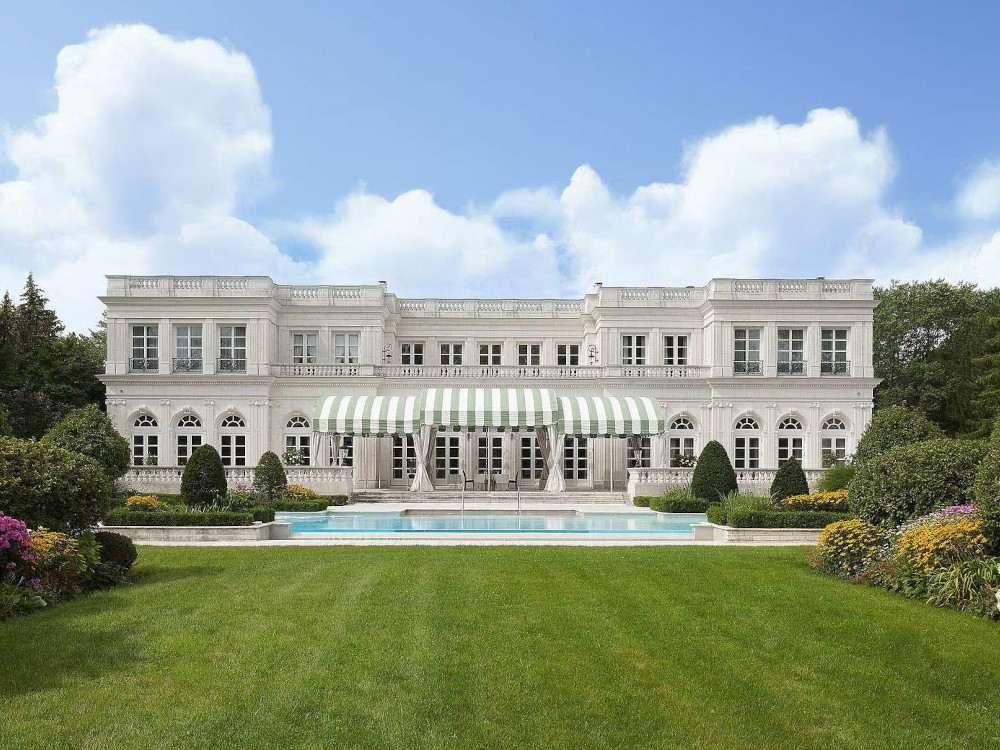


Corsica’s luxury is best understood as elemental rather than glossy. The most memorable experiences are not necessarily the most formal: a long lunch of local charcuterie and sheep’s milk cheese, a skipper-led day along the coast, an early walk through a hilltop village, or a stay on a secluded estate where the sea and mountains feel equally close.
Great Bear Rainforest, British Columbia
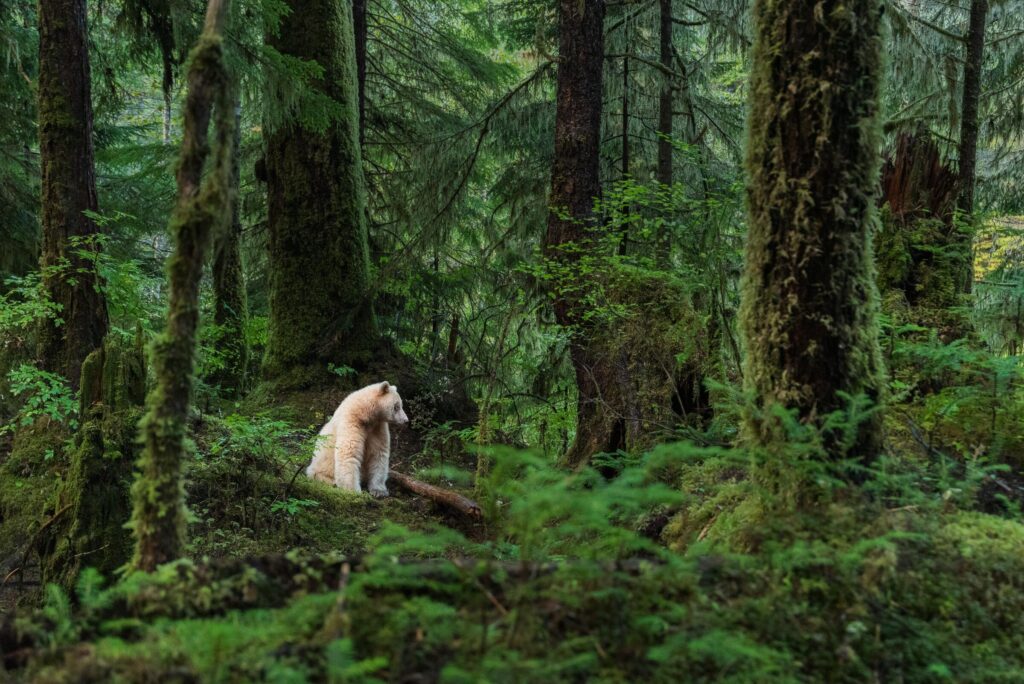
For families accustomed to safari camps in Botswana or yacht charters in Alaska, B.C.’s Great Bear Rainforest offers a Canadian wilderness experience of rare scale and emotional power. Stretching along the province’s central and northern coast, this vast temperate rainforest is a world of glacier-fed fjords, old-growth cedar, salmon rivers, mist and wildlife.
Its signature draw is the spirit bear, a rare white-coated black bear found in this region. But the appeal for ultra-high-net-worth travellers lies as much in the way the destination is experienced as in what might be seen. Access typically involves floatplanes, small expedition vessels and luxurious lodging such as Nimmo Bay Wilderness Resort and Tweedsmuir Park Lodge, all of which naturally limit crowds and create a sense of expeditionary privilege.
A trip here is not about guaranteed sightings or staged luxury. It is about patient mornings spent on bear-viewing platforms, kayaking on whale-dotted waters, Indigenous cultural interpretation, and the chance for children to understand conservation as something tangible rather than theoretical.
Adam Bisby is senior producer at Canadian Family Offices and a Toronto-based writer, editor and consultant who contributes regularly to national and international publications such as the National Post, The Globe and Mail, the Toronto Star, MSN and SHARP magazine. Over the last 30 years, he has written about real estate and housing, finance and investment, technology, food and wine travel, and health and wellness, among other areas. He began contributing to Canadian Family Offices in 2021.
The Canadian Family Offices newsletter comes out on Sundays and Wednesdays. If you are interested in stories about Canadian enterprising families, family offices and the professionals who work with them, sign up for our free newsletter here.
Please visit here to see information about our standards of journalistic excellence.