


Working in and for family offices in Canada brings valuable lessons. We asked experts in a range of fields for their take on navigating the family office landscape, from what they’ve found the most challenging in their areas to how Canadian family-office practices compare with those in other countries. Their answers include observations and strategies from investing in particular asset classes to negotiating family dynamics.
Communication, governance and what can go wrong
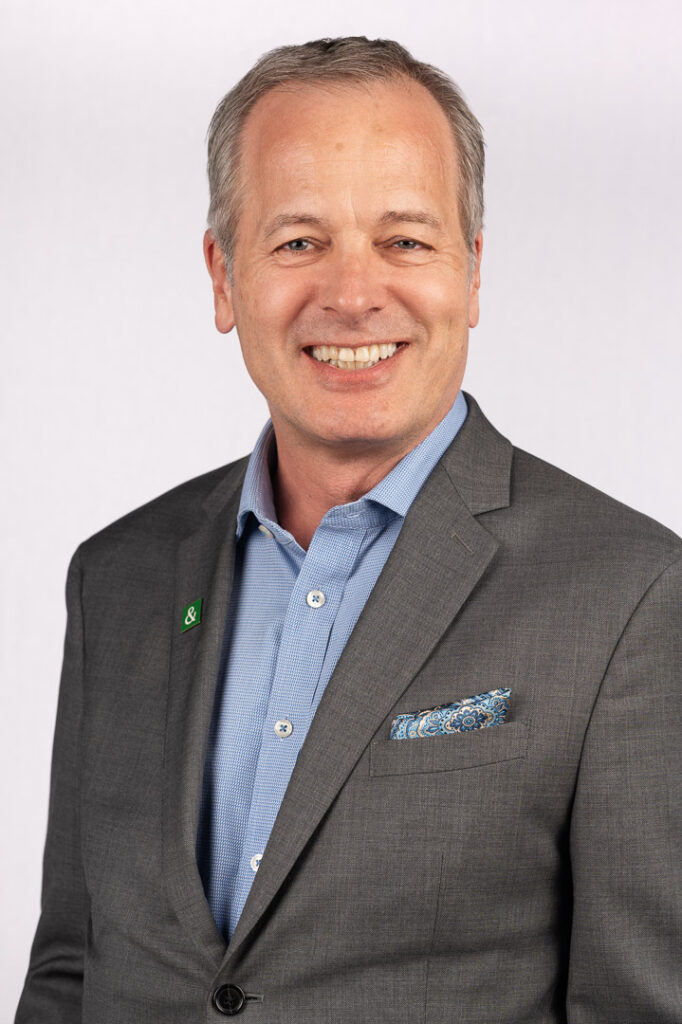
Christopher Foster is founder and principal of the Foster Family Office Group and CEO of Foster and Associates, a securities dealer in Toronto.
Bad communication, bad planning and bad documentation are the three horsemen of the apocalypse for families. Screw up any one of those and things can go badly. The biggest issue we find in the Canadian context is the first of those horsemen, bad communication, which can be disastrous.
I’ve seen it in terms of chattels in estates causing fights among heirs, from a little tchotchke right up to a valuable painting or a $300,000 carpet. Those things tend not to go into the wills of wealthy families because they’re trivialities in the context of the estate.
Explaining before you pass away why you’re doing things in your estate is critical, but Canadians are reluctant to do that because we’re private types. A legacy letter can go a long way to putting nuance around your will, offering your rationale. It’s easy to do and you don’t have to confront a person while you’re still alive, it’s something they read after the fact. God willing, it allows wounds to heal between siblings if things are unequal.
Communication bleeds into family governance. For example, having a governance structure around how much family members who work inside the family business get compensated, and how revenue gets shared with people that aren’t toiling in the business, is important.
Transparency is especially critical in multi-generational blended families, where things can get really fractious. To encourage better communications, we host financial-literacy events and we bludgeon our clients to have conversations. If you can have great conversations with your kids and they get along before you die, there’s a good chance they’re going to get along after you die. That is underemphasized in the Canadian financial-services landscape.
Delivering on performance objectives while preserving liquidity
Quinntin Fong is a senior vice-president at Fiera Real Estate, a global real estate investment management firm, and is fund manager of the Fiera Real Estate Industrial Fund.
Investments by family offices in private assets have been particularly challenging in an environment with both macro uncertainty and gated funds in the headlines. Both public and private markets continue to be impacted by geopolitical and tariff-related volatility, while private markets navigate the repercussions of certain funds gating redemptions.

Notwithstanding that, private assets—particularly private real estate open-ended funds—remain a key diversifier in any portfolio. As hard assets, private real estate funds can provide durable income, effective inflation protection and lower volatility than public equities, including listed REITs. The challenge becomes assessing return versus risk, by evaluating whether a manager can consistently balance risk and return. This means delivering on performance objectives not only during favourable market conditions but also preserving liquidity and generating relative outperformance during periods of market stress.
In the Canadian context, only select private real estate funds with institutional scale and longstanding experience can deliver this balance for family offices. Many funds are also working through legacy asset issues, leverage rebalancing from a period of high interest rates and subdued valuation growth despite lower interest rates. Funds that are well positioned in sectors with strong fundamentals and a proven strategy that has delivered alpha using low leverage and strong liquidity management are expected to perform well in this next cycle.
Moving forward without full family participation
Carolyn Cole is founder and CEO of Cole and Associates, a national family office strategy and design firm.
One of the most meaningful lessons I have learned is that a family office should reflect the family that actually exists, not the one being wished into existence by its creator. Success should not be measured by whether every family member remains together in ownership but by whether the family can thrive as a family and—where appropriate—as an enterprise. Sometimes a family member leaving is okay. Globally, families are more comfortable with this scenario, while Canadian families are still learning to adapt.
There is often a romanticized belief that after spending decades building—or advancing—a family enterprise, the next generation’s greatest responsibility is to steward it together. Sometimes they will, but not always. By the time a family office is being considered, siblings often have different ambitions, spouses bring new perspectives and individual branches of the family have begun defining success differently.

The advisor’s role is not to reinforce the founder’s vision simply because it is the founder’s vision, it is to have the courage to test whether that vision is genuinely shared. Too often, advisors hesitate to challenge assumptions for fear of damaging the relationship or losing the mandate. In doing so, they inadvertently build structures around expectations that may never be realized.
The most valuable preparation a family can undertake is not governance planning alone, it is preparing for honest conversations about differing aspirations. When families understand both the opportunities and the consequences of choosing different paths, they are better equipped to make decisions that preserve not only their wealth, but also their relationships. Sometimes the greatest legacy is not keeping everyone together, it is giving each family member the freedom to choose their own path, while preserving the respect and trust that keep them a family.
The challenge of choosing global investments from Canada
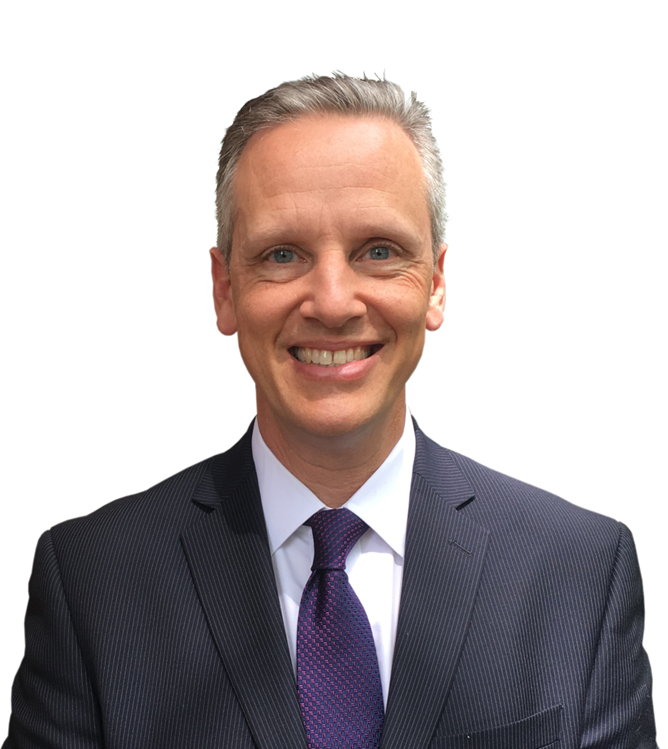
Brennan Carson is a partner and portfolio manager at Equate Asset Management, an OCIO based in Toronto.
For Canadian single and multi-family offices, looking beyond domestic markets makes sense for unique return sources and risk-diversification purposes, but it presents complications. The question is whether the benefits outweigh those challenges. Canada represents a small share of global capital markets, and we rely on the financial, resource and industrial sectors for opportunities. But before a family office commits to broadening the scope to a global landscape, it must appreciate that it’s getting on a treadmill that does not have a pause button. You have to be all in.
Currency is a major issue, which means a predetermined policy on currency management, hedging costs and net benefit. Does the family office have the inclination to add currency as an investment risk? Currency exposure can magnify gains or losses, and hedged products are not always the answer. They add cost and may reduce long-term diversification benefits.
Tax treatment is another hurdle. An asset class, fund or strategy that appears to have terrific investment characteristics may not add any true net value once you factor in foreign withholding taxes, fund structure and estate-tax exposure, which can affect after-tax returns.
There’s also the behavioural challenge of home bias. A smaller family-office investment team probably cut their teeth researching the Canadian banks, telecoms and pipelines that can provide some comfort relative to less-familiar global businesses, even when a domestic-heavy portfolio increases concentration risk. Moving away from such a portfolio means increasing the trust in externally advised or managed assets. If the family office is going to pursue foreign-investment themes, it needs a plan to understand the return relative to added risks.
For Canadian family-office investment teams, successful global investing is less about finding the next hot idea and more about maintaining control over the portfolio—balancing new opportunities while remaining manageable from home.


A need for hard work that ‘considers the whole family’
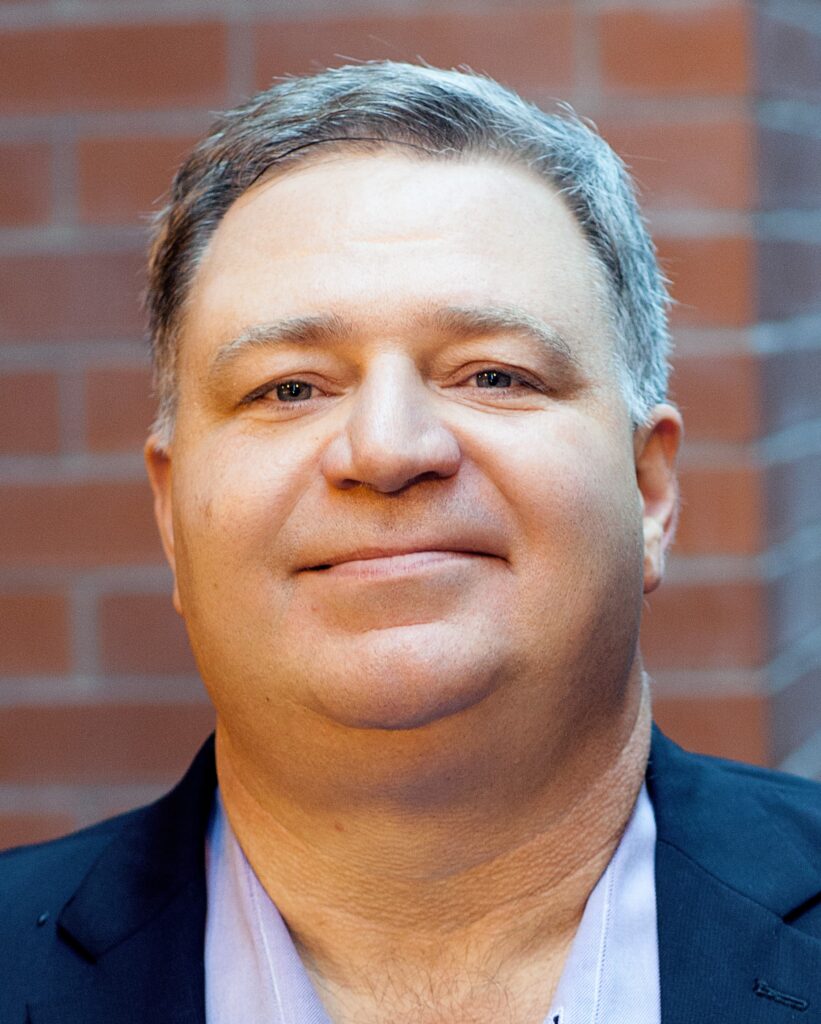
Steve Legler is an independent advisor to families, based in Montreal, for Blackwood Family Enterprise Services.
It’s important for wealthy families to get advice that focuses on more than structures and plans and accounting and banking, all the financial stuff. Families have needs in qualitative areas, not just quantitative ones, holistic advice that considers the whole family.
The U.S. and the European markets, because they are much bigger, contain many more advisors who are doing work on that qualitative side, including family relationships and family dynamics and preparing the rising generation. In Canada, it’s the area that needs the most work. Families here don’t know that there’s such support out there. They don’t know that getting a good estate plan and creating the proper trusts and doing structural things isn’t sufficient to have success in transitioning wealth from one generation to the next. There’s hard work that doesn’t get done, because dealing with the money and the structures is the easy part.
Families are becoming more aware of this, but frustratingly slowly. There are so many professionals out there who serve families who make a very good living doing things the way they always have. They’ve not evolved to including the relationships of the family and including the rising generation of the family, not just creating plans for parents that are ostensibly for their children but that the children never get involved in.
In Canada, given the age of our society, we are not as far along as we might otherwise be on this. I’m hoping more professional advisors in Canada learn the importance of doing deeper work with their families.
Mary Gooderham is a writer, editor and communication advisor based in Ottawa. She leads Cohen Gooderham Communications and has worked as a journalist for more than 40 years at The Globe and Mail, as a recording officer at the International Monetary Fund and as a custom content creator for online and print media. She’s been a contributing writer at Canadian Family Offices for four years, focusing on investment strategy, trusts, philanthropy, women in finance and estate planning.
The Canadian Family Offices newsletter comes out on Sundays and Wednesdays. If you are interested in stories about Canadian enterprising families, family offices and the professionals who work with them, but like your content aggregated, you can sign up for our free newsletter here.
Please visit here to see information about our standards of journalistic excellence.