


This article is part of our February Special Report on Philanthropy in Canada. To see all the articles so far, click here.
There’s a popular conception that one way for families of means to fix intergenerational friction is to get younger members involved in a philanthropic foundation. While that’s not universally true, “it does support the strategic objectives within a family office or a family enterprise in human and tangible ways,” says Jim Hayhurst, managing director of Cole & Associates in Victoria, B.C.
Among other benefits, “foundations can act as a training ground for that obscure notion of stewardship. Stewardship is about listening to community partners, navigating complexity and understanding the long-held family values,” he says.

This is an exciting time for philanthropy. Definitions are changing. Instead of focusing on specific institutions or services, charitable giving is beginning to focus more broadly on issues, like mental health or reconciliation. Younger donors are also driving support for previously underfunded areas.
“They’re finding these great organizations that are smaller, often entrepreneurial. They’re increasingly interested in unrestricted or trust-based philanthropy, which is more valued by the recipients and often more effective,” Hayhurst says.
Another trend is combining philanthropy with impact investing.
Kyle Kanovsky, principal, venture capital, at Sky Energy Group, a family-owned investment group based in Calgary, is a third-generation family member currently serving as president of the Kanovsky Family Foundation, which addresses community needs in the Calgary area.
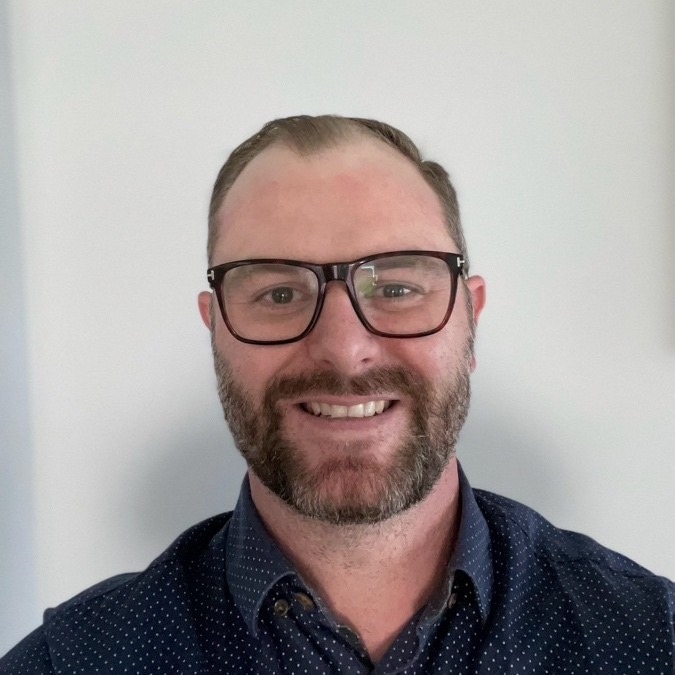
“My real focus and what I champion in our community is youth-based mental health,” he says. “It’s a rising problem, especially since COVID. I sit as a vice-chair of the Impact Society, a youth-based charity here in Calgary. We talk a lot about moving big rocks in society, and we think that’s a pretty big one. If you can cultivate mental health in the youth, you’re going to have a much more stable economy and society.”
Kanovsky says he has found philanthropy an engaging and low-risk way to learn about asset management structures within the family business, which is a diversified investment office. Also, he says, “you get to maybe put a multiplier on the impact you can make within the categories that you have passion for.”
His family provides members with an annual discretionary amount to be directed toward charitable ends, with an option to propose a strategy around multi-year funding or volunteering. “That feeds back into educating family members in particular about what goes on in the office: how do we choose which causes to support and how does it connect back to our core values?” he says.
“Trying to find some aligned core family values—what it’s all for—is a discussion we’re always having and something we’re always chasing as a family,” Kanovsky says. “The key is to try to drive communication in the family. Clarity is key.”
Based in Toronto, Sarah McCain is a member of the board of her family’s McCain Foundation and founder of Three Seeds. “It feels to me like philanthropy is under-going a major shift, especially in the context of how it’s poised to make big changes,” she says.
The rewards of working in a family foundation are “deeply personal” for McCain, who says working with extended-family members in a foundation setting allows each person to bring their own “strong suit” to the table.
Philanthropy as an industry is really exploding, and along with that the new generation is able to experience things in a way previous generations couldn’t.
Sarah McCain
“The work is about making meaningful change and pushing positive impact,” she says, so rewards aren’t tied to the traditional measures of business success. They offer family members the opportunity to be involved in legacy and impact independently, apart from bottom-line considerations.
“You feel a great sense of pride that you are doing something beyond yourself,” McCain says. “I have personally taken great value from seeing previous generations in our own family lay a strong foundation we can continue to build upon and grow.

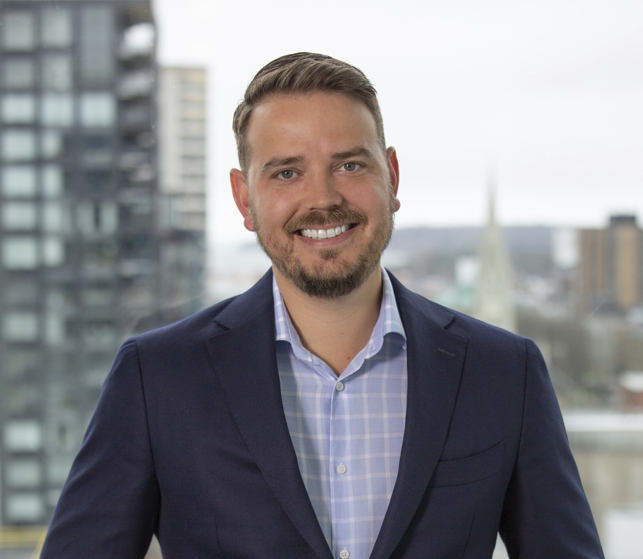

“I think the general trend in philanthropy with younger folks is mostly reflective of the landscape we are in and the current challenges we face. It’s becoming increasingly apparent that we can and should attempt to tackle greater systems change—resorting to an ‘upstream approach’ when ruminating on how to solve problems and support causes close to our heart,” says McCain.
She identifies qualities common among rising generations in philanthropy, such as an increasing interest in building a relationship and working in tandem with charities, a willingness to give charitable organizations more agency to choose their path forward, and an enthusiasm for knowledge sharing and co-creation.
“All of these changes are happening as the landscape is developing, too,” she says. “Philanthropy as an industry is really exploding, and along with that the new generation is able to experience things in a way previous generations couldn’t.”
Canadian Family Offices Newsletter
Never miss an update! Subscribe to our newsletter and get new content straight to your inbox.
By clicking on the sign-up button, you consent to receive the above newsletters from NarrowContent Networks Ltd. You may unsubscribe any time by clicking on the unsubscribe link at the bottom of our emails or any newsletter. NarrowContent Networks Ltd | 100 York Blvd Suite 550, Richmond Hill, ON L4B 1J8 | info@canadianfamilyoffices.com
Stacey Kline, a founding partner of February Capital in Toronto, is also a second-generation director of the Blidner Family Foundation. She brings a background in corporate law and venture capital to her philanthropic activities, which, she says, allows her to maintain a tangible connection to her family’s legacy while contributing to her community.
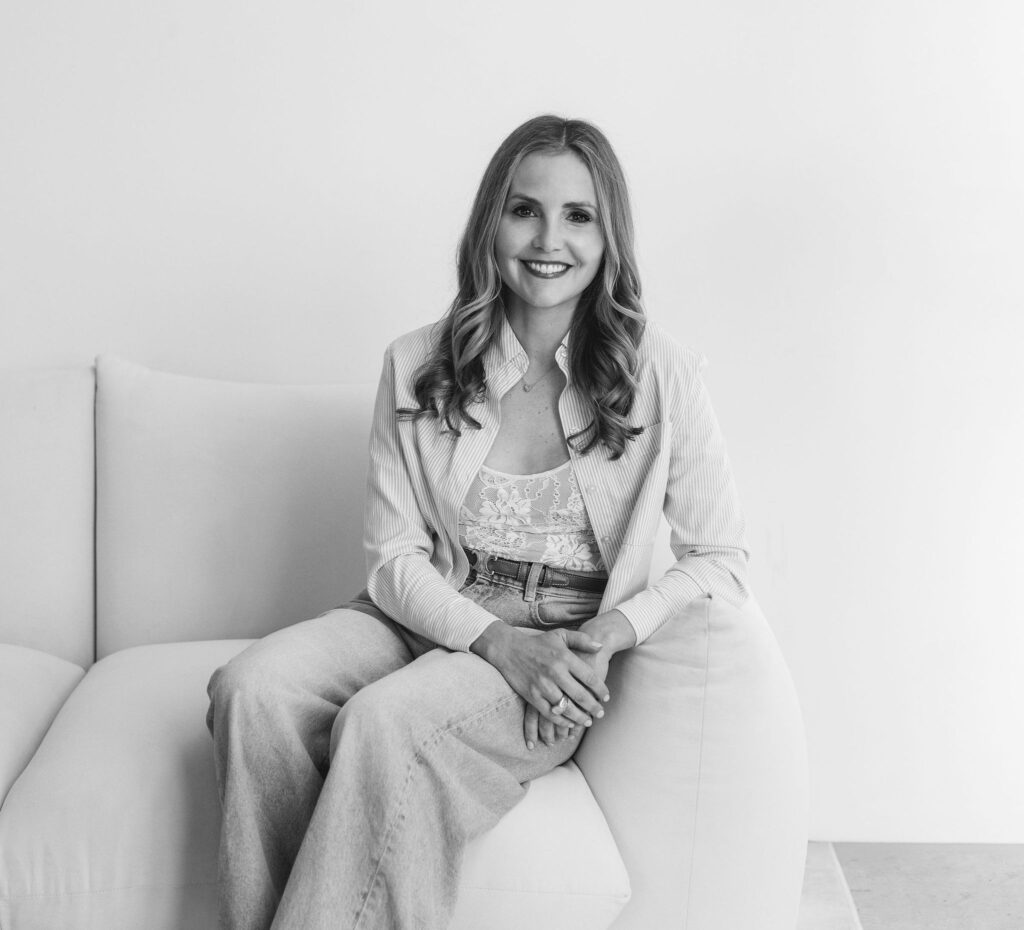
“One of our values is contribution,” she says. “It is an extraordinarily meaningful way to connect with the capital and have really an extraordinary impact on people and causes that need help. And there is so much need right now.”
Two of her children, now aged 12 and 14, are already engaged in philanthropic work.
People of this generation are not so stuck in the ways of giving that have been used for the last 30 years.
Stacey Kline
“I have four kids, and they probably don’t understand the extent of their privilege, but what I can do is connect them to causes and pass along the idea that we’re here to contribute—your time, your energy, your money,” she says. “And if we do even a little bit, that goes such a long way.”
Kline says that today’s foundation boards are changing; for instance, they place a higher value on making sure the people being supported are represented in decision-making.
Also, “people of this generation are not so stuck in the ways of giving that have been used for the last 30 years,” she says. There is growing awareness that “you don’t have to give with one dollar and invest with another: investment of capital can be a source of additional capital.”
Kline has seen this firsthand through chairing a breakthrough fund that supports potentially commercializable innovations at SickKids in Toronto. The first of these is a liquid biopsy for brain cancer that could potentially earn revenue to fuel the fund.
“What I’m seeing more and more with the transfer of wealth, both on the investing side and on the giving side, is people want to be connected with where their dollars are going. It’s not just giving to get the dollars out the door,” she says. “And there’s no better place to do that than charity and philanthropy. There are so many causes that are worthy of support.”
Sarah B. Hood is a Toronto-based writer and book author. She has served as editor of three national magazines and written weekly columns for the National Post. She also serves on the editorial board of Spacing magazine. She writes frequently on business, urban affairs and culture. As a food writer, her work has been translated into Japanese and Arabic. She has taught writing at George Brown College for more than 20 years.
Get our new quarterly newsletter about philanthropy: Canadian Family Offices’ new newsletter brings you key insights, trends and expert perspectives on charitable giving, tailored to Canada’s wealth leaders and giving communities. Click here to subscribe.
Please visit here to see information about our standards of journalistic excellence.