

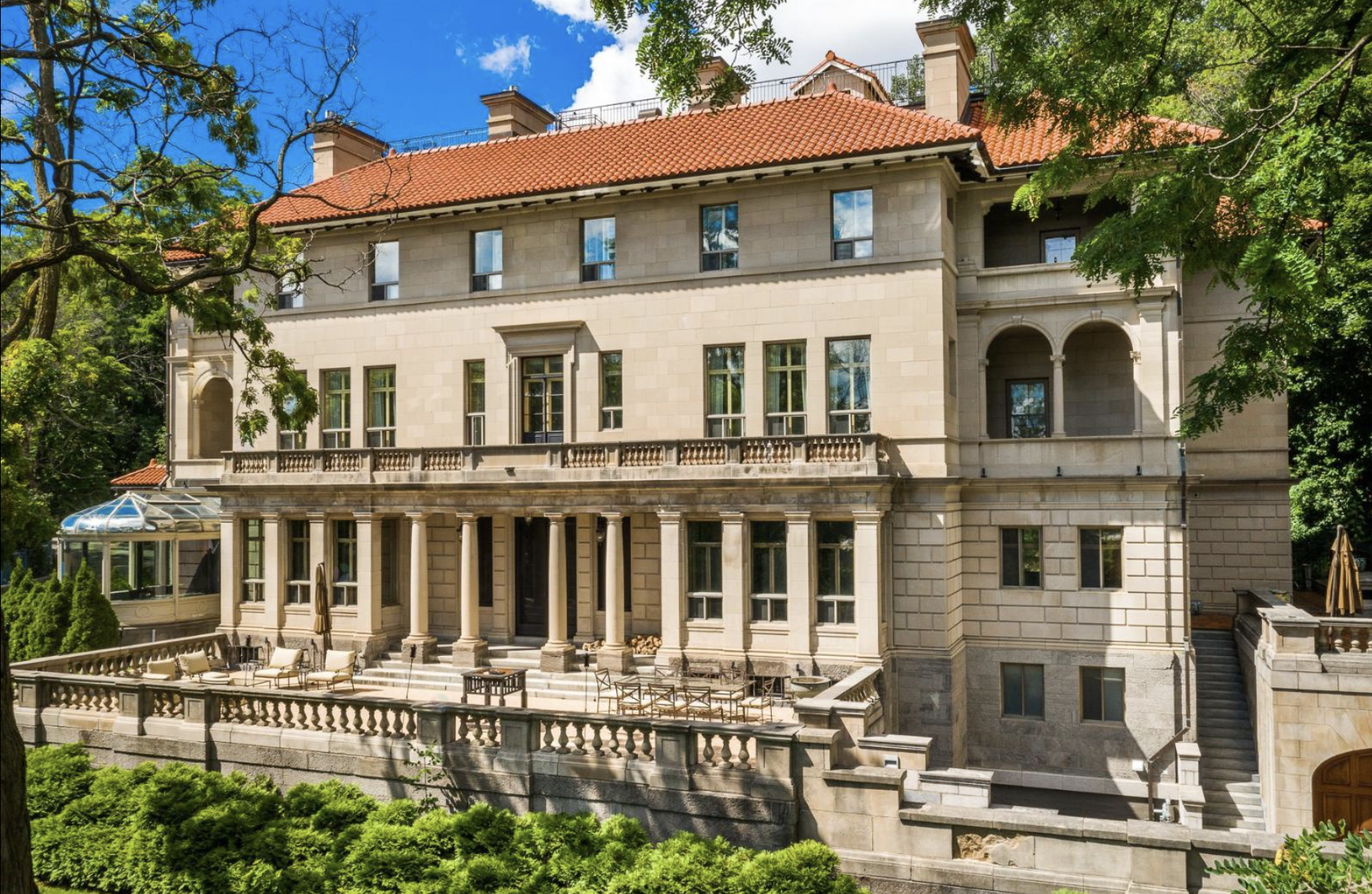
This article is part of our September special report on real estate in Canada.
While mainstream real estate in Canada continues to contend with economic uncertainty, softer consumer confidence and affordability pressures, ultra-premium homes are increasingly charting their own course.
“The story right now is segmented: the top of the market is resilient and, in pockets, accelerating, while everything below it is still finding its footing,” says Claudine Montano, the Toronto-based founder and CEO of Penthouse Queen and a luxury real-estate broker with Corcoran Horizon Realty.
Faith Wilson, founder of faithwilson | Christie’s International Real Estate in Vancouver, describes the national luxury market as “somewhat stable but highly uneven.” She says early-2026 luxury sales rose about 48 per cent in Edmonton, 27 per cent in Saskatoon, 18 per cent in Ottawa and 14 per cent in Calgary, while the Greater Toronto and Greater Vancouver areas declined roughly 17 and 20 per cent respectively. “Buyers remain active, but they are taking longer, negotiating harder and placing a premium on turnkey quality and correct pricing.”
Buyers at this level are driven by generational wealth transfer, legacy, lifestyle decisions, and long-term intent rather than rate-timing or short-term flip economics.
Claudine Montano
The segmentation of the Canadian market continues a trend evident in 2025, when affluent purchasers proved less sensitive to many of the forces weighing on conventional buyers. Luxury buyers tend to rely less heavily on financing and often view prime real estate as both a lifestyle purchase and a long-term store of wealth.
Montano says several factors help explain the divide. Cash transactions are more common at the ultra-luxury level, reducing exposure to interest-rate swings. Meanwhile, scarcity of genuinely high-end turnkey inventory provides support for prices.
“Buyers at this level are driven by generational wealth transfer, legacy, lifestyle decisions, and long-term intent rather than rate-timing or short-term flip economics,” she says, adding that private equity, family offices and co-investment structures are also increasingly directing capital toward trophy properties in markets such as Toronto and Vancouver.
Wilson agrees that affluent buyers are partially insulated from the pressures affecting the broader housing market because they generally have greater equity, liquidity and access to cash. But she cautions that they are hardly immune. They remain sensitive to market confidence, investment volatility, taxation and the broader global and domestic economic outlook, she says. Canada’s foreign-buyer ban, currently scheduled to remain in place until January 2027, also continues to affect the market.
That means pricing, positioning and scarcity still matter in all of the prime luxury housing markets explored below.
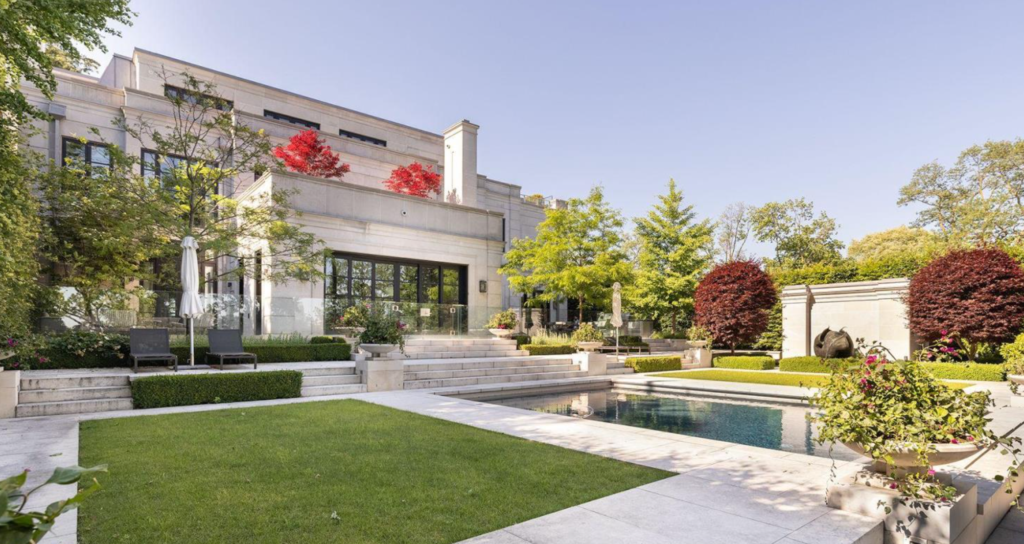
Toronto: Separating from the pack
Nowhere is the luxury-versus-conventional contrast more apparent than in Toronto.
In 2025, luxury freehold sales remained comparatively strong even as inventory rose and the broader market slowed. Toronto’s Bridle Path was a particular standout, with transactions above $10 million rising sharply year-over-year.
Montano says that divergence has continued into 2026. Luxury detached homes in Toronto are trending toward an average price of roughly $5.85 million, about 5.2 per cent higher year-over-year.
The strongest pockets remain familiar ones. Montano points to the Bridle Path, Rosedale, Forest Hill and Yorkville, while Wilson also highlights Kingsway South and Edenbridge/Humber Valley as areas where high-end activity has stood out.
Buyer behaviour is evolving as well. In the Bridle Path and Post Road area, Montano says some wealthy purchasers are acquiring adjoining estate lots with the intention of creating larger multi-generational family compounds. Rosedale buyers continue to prize heritage homes and ravine settings, while Forest Hill remains sought after for family homes and turnkey custom estates.
Luxury condos are more nuanced, Montano says. At the very top—think boutique penthouses, private elevators, standout views and concierge service—demand remains relatively strong, with homes trending toward an average of approximately $3.1 million, nearly four per cent higher year-over-year, while Yorkville has been recording particularly strong price-per-square-foot activity. “True trophy product—unique views, name-brand buildings, turnkey finishes—still commands urgency and premium pricing,” she says.
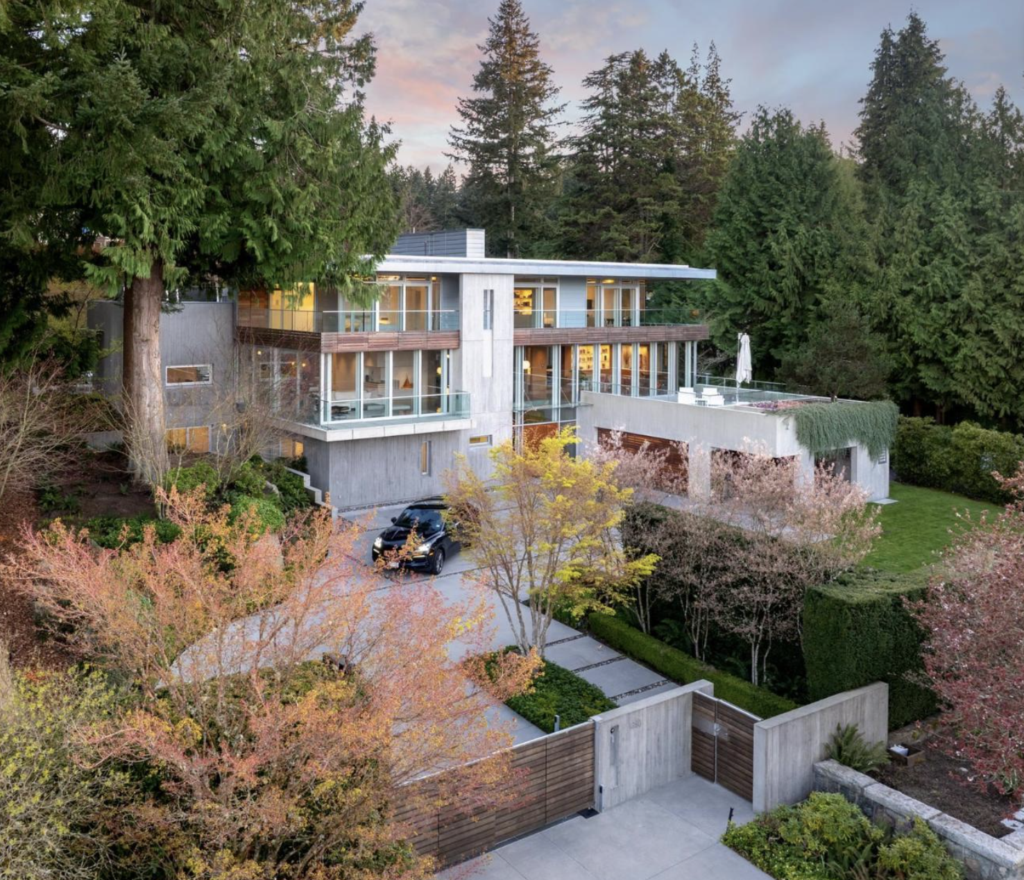
Vancouver: Buyers have leverage
Vancouver’s luxury market remains concentrated in neighbourhoods where land scarcity, views and proximity to amenities provide an enduring advantage.
Point Grey and other West Side enclaves have long attracted affluent families, with heritage houses and contemporary custom homes offering easy access to the University of British Columbia, leading schools and mountain and ocean views.
Montano, drawing on input from her B.C. referral partners, says buyers are particularly interested in family-oriented estate homes, sometimes incorporating laneway houses for multi-generational living. Rooftop decks and panoramic views can provide another differentiator.
Point Grey sold prices have generally been running in the high-$2-million to low-$3-million range in 2026, while some newer custom homes are being marketed well above $4 million.
“The well-priced, view-forward properties are moving while overpriced ones sit,” Montano says.
Wilson’s figures, however, underline the challenge facing the wider Vancouver luxury sector. She says Greater Vancouver luxury sales were down roughly 20 per cent in early 2026, while condo sales above $3 million fell about 47 per cent year-over-year during the first four months of the year.
That gives buyers more choice and negotiating power, particularly in the condo segment. The result is a market in which true scarcity still matters, but sellers cannot assume that a prestigious address or high asking price alone will create urgency.
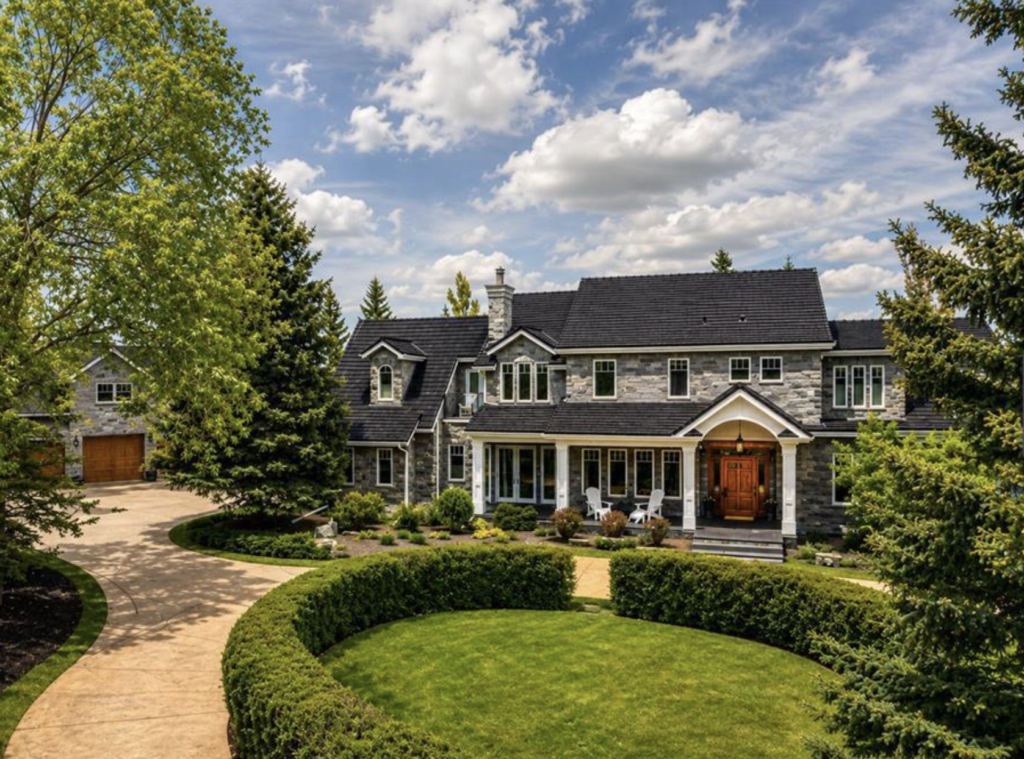
Calgary: Luxury gains momentum
Calgary was already emerging as one of Canada’s more compelling luxury markets in 2025, thanks in part to the relative value it offers compared with Toronto and Vancouver.
That momentum appears to have strengthened. Montano points to Aspen Woods, Mount Royal and Britannia as three of the city’s notable high-end enclaves. The offerings range from newly built estates and luxury townhomes in Aspen Woods to established mansions in Mount Royal and riverside properties along the Elbow River in Britannia.
Wilson adds Elbow Park and Rideau Park to the list of Calgary neighbourhoods continuing to attract affluent buyers.
Interprovincial migration continues to support demand, with affluent families drawn to newer construction, strong school catchments and luxury townhomes featuring amenities such as private elevators and heated garages.
Wilson says overall luxury sales were up roughly 14 per cent in Calgary in early 2026. According to Montano, the average sale price in Calgary’s $1-million-plus segment was up 8.9 per cent year-over-year in early 2026. Nearly 30 per cent of luxury sales were going over asking, compared with roughly 10 per cent two years earlier.
That makes Calgary a notable contrast to Toronto and Vancouver, where affluent buyers currently have considerably more negotiating room.
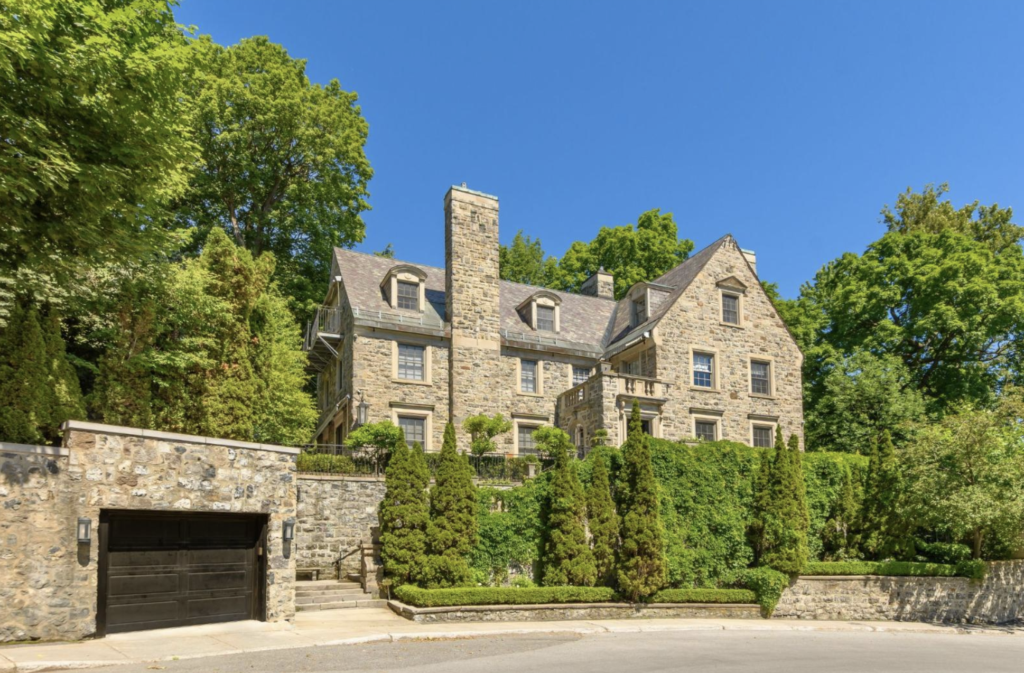
Montreal: Old money lifts Westmount and Outremont
Montreal has continued to strengthen its position as a top luxury market, particularly in Westmount and Outremont.
Westmount’s stately stone mansions and heritage estates offer the kind of architectural character associated with Toronto’s Rosedale or Forest Hill, while Outremont and the nearby Golden Square Mile provide high-end townhouses and condos.
Wilson also points to Hampstead as one of the city’s standout high-end neighbourhoods.
Demand is being supported in part by established Quebec wealth. Montano says sales above $2.5 million rose roughly 80 per cent year-over-year in the latest reporting period cited by her Montreal referral partners. Westmount’s average single-family price has remained around $2.7 million, she says, with individual transactions reaching beyond $6 million.
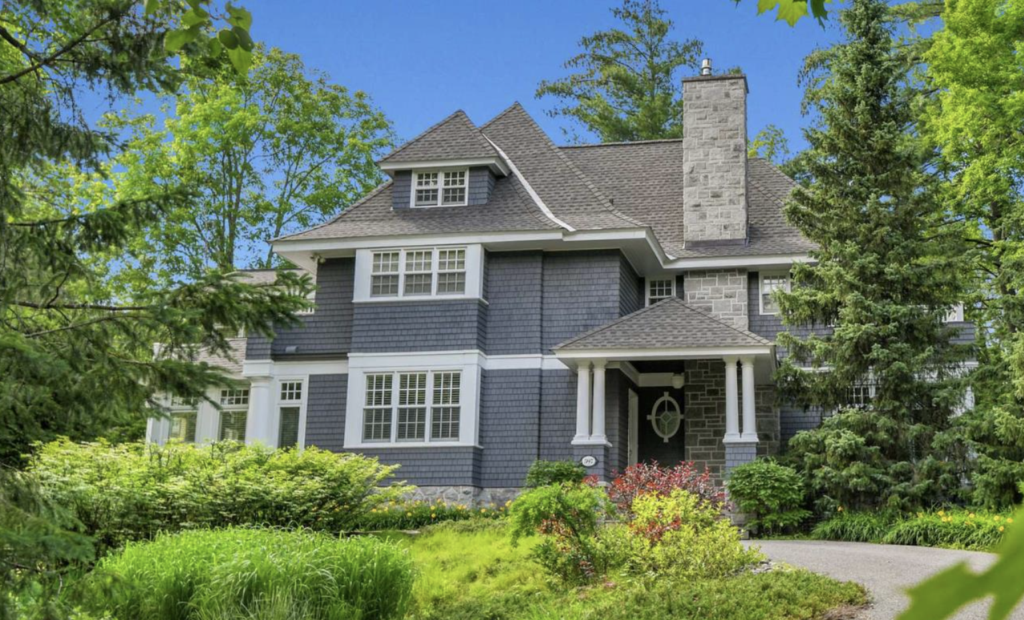
Ottawa: One of 2026’s stronger luxury markets
Ottawa’s luxury market continues to be supported by a mix of political, entrepreneurial and other affluent buyers.
Rockcliffe Park remains a marquee address because of its estate properties, greenery and proximity to Parliament Hill, while Manotick and Dunrobin appeal to buyers looking for more land. The Glebe offers a different proposition: a walkable, urban lifestyle near the Rideau Canal.
Wilson’s figures suggest Ottawa is also one of the strongest-performing large Canadian luxury markets this year, with sales rising approximately 18 per cent in early 2026.
That stands in sharp contrast to declines in Toronto and Vancouver and reinforces just how regional Canada’s luxury market has become.
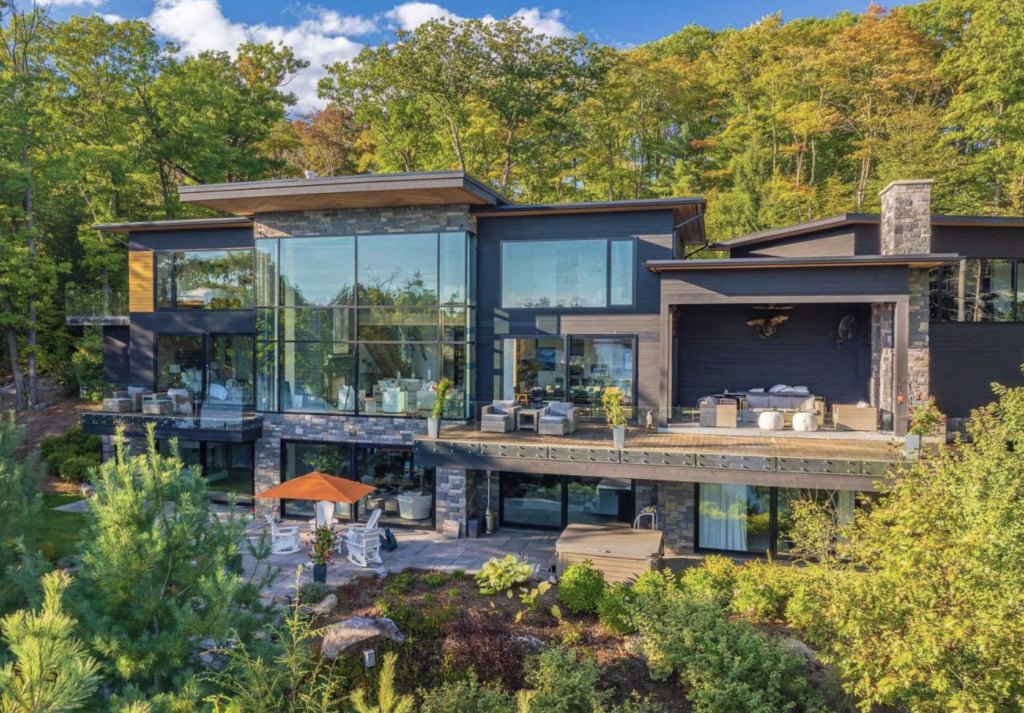
Muskoka: Legacy waterfront retains its allure
Outside Canada’s largest cities, Muskoka remains one of the country’s most deeply established stores of recreational real-estate wealth.
The focus remains on the “Big Three” lakes—Joseph, Rosseau and Muskoka—where private docks, natural shoreline and increasingly sophisticated four-season homes attract wealthy GTA families and intergenerational purchasers.
Montano describes this legacy shoreline as among Ontario’s most resilient recreational real-estate segments. Scarcity is such that some transactions take place privately through off-market or so-called “whisper” listings.
The pandemic-era frenzy has subsided, but the best properties remain remarkably durable. Montano puts Lake Joseph properties in a very broad range stretching from roughly $3 million to more than $50 million, and Lake Rosseau from approximately $2 million to more than $20 million. “Well-prepared, well-priced properties” at the legacy end of the market can still move quickly, she says.
Increasingly, these are also becoming true year-round homes rather than traditional seasonal cottages, reflecting a shift in how wealthy families use recreational real estate.
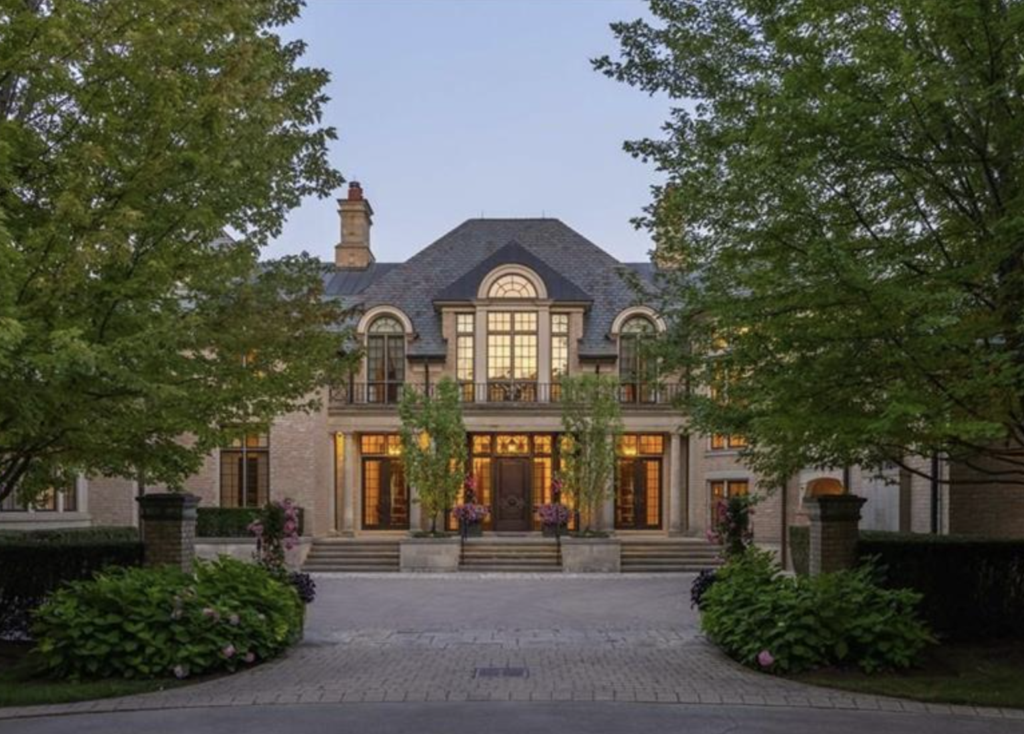
Oakville: Scarcity underpins the Gold Coast
Southeast Oakville offers another variation on the luxury-resilience theme. Its so-called Gold Coast combines waterfront and near-waterfront estates with close access to Toronto and comparatively low-density surroundings.
Strict heritage and zoning protections limit what can be built and where, creating a scarcity dynamic that differs markedly from new-construction-driven luxury markets.
Montano says the area’s business-elite buyers are seeking large waterfront lots, mature landscaping and long-term land-value security without having to live in downtown Toronto.
Wilson also points to nearby Lorne Park and Mineola as luxury pockets that have distinguished themselves in the current market.
In other words, it is the combination of location, scarcity and quality—not simply price—that is separating Canada’s most resilient luxury properties from the rest.
And increasingly, that distinction is visible not just from city to city, but within individual neighbourhoods and property categories.
As Wilson’s national numbers illustrate, 2026 is not producing one Canadian luxury real-estate market. It is producing many: some accelerating, some retrenching and nearly all rewarding buyers and sellers who pay closer attention to quality, scarcity and pricing than they might have just a few years ago.
Adam Bisby is senior producer at Canadian Family Offices and a Toronto-based writer, editor and consultant who contributes regularly to national and international publications such as the National Post, The Globe and Mail, the Toronto Star, MSN and SHARP magazine. Over the last 30 years, he has written about real estate and housing, finance and investment, technology, food and wine travel, and health and wellness, among other areas. He began contributing to Canadian Family Offices in 2021.
Get our new quarterly newsletter about real estate: Canadian Family Offices’ new newsletter will bring you key insights, trends and expert perspectives. Click here to subscribe to stay ahead
Please visit here to see information about our standards of journalistic excellence.