

Legacy is often discussed in the future tense, such as the legacy that Blue Jays star Vladimir Guerrero Jr. will hold in baseball history.
Or it’s a thing from the past. We listen to Miles Davis records, for instance, and soak in the legacy he left behind.
Yet, on a more modest level, when wealthy families consider their legacy and want to give back to the community, family offices and their advisors tend to think firmly in the present. What’s important are a family’s actions today, if any legacy of charity and philanthropy is to succeed. Even if that means just doing right by employees and stakeholders.
This seems especially true when families are in a reflective mode, when they are looking beyond the basics of succession or continuing the family business, and are instead asking themselves whether they’re doing good for society.
Finding the right response can be difficult, to say nothing of putting words to family values.
Every family has their own measuring stick in terms of how they are going to move those things forward.
Shelley Forsythe, director, family enterprise planning, BMO Family Office
“Sometimes we don’t use the word philanthropy. We just use ‘charitable giving,’” says consultant Wendy Sage-Hayward. “What are they doing today”—what is the family’s current charitable giving— “and what would they like to see in the future?”
Then comes the talk of values and an assessment of the family’s “human non-financial assets,” all the intellectual capital and business know-how that can also help with charitable giving, she says.
Sage-Hayward is a senior consultant in Vancouver for the Family Business Consulting Group, which has its head office in Chicago. She is also academic director at Family Enterprise Canada and has her own family wine business in B.C.’s Southern Gulf Islands. She attracts clients who place a high priority on giving. “I can tell you that all the wealthy families that I work with all are extremely philanthropic,” she says.
Public opinion plays a role in choosing philanthropic projects, particularly if the philanthropy is public-facing. It’s something that families are inevitably aware of.
“Sometimes there’s this sarcasm that seeps in” from outside, she notes: “‘Oh, well, they just have a family foundation because it’s a tax thing.’” But, she adds, “that’s not my experience.”
Instead, she says that when a family sets its sights on certain charities and philanthropy, they typically want to be highly involved.
“They want to give to causes that they are connected to, that they are supporting actively, not just with money but also with time and energy and skill sets,” she says. “Because these families often have skills that are required for these non-profits that are trying to survive.”
There are, of course, myriad options for giving, from creating an endowment through an organization such as Vancouver Foundation to giving through a family’s own private foundation, Sage-Hayward notes, and every iteration in between.
“I have one family actually where the father is exceptionally philanthropic. His mum raised him that way,” she says. And when he sold his business, he didn’t want to pass it on to his kids. “He wanted to pass on the philanthropic values,” Sage-Hayward says.
“And so he started a family foundation with his kids. He wanted to do something with his kids, not for his kids. I think he’s been very successful in passing along that philanthropic endeavour, and he’s [working] to do that now with the third generation, too. Not just his children, but with his grandchildren. And so we’re working on how to do that,” Sage-Hayward says.
Families often have skills that are required for these non-profits that are trying to survive.
Wendy Sage-Hayward, senior consultant, Family Business Consulting Group
Yet, to get to that level of sophistication of giving, there has to be first a sense of grounding within the family. This is something that Francesco Lombardo emphasizes, as founder and managing director at Veritage International, a family coaching and advisory firm with its head office in Bermuda.
Some families may not be capable of immediately jumping into legacy goals, Lombardo says.
“I think there’s a step that’s missing before that, which is, if we’re going to leave a legacy of an asset, we also have to leave a legacy of our children to be able to operate that asset in a responsible way. That’s responsible not just to the asset, but to society and what that asset serves,” he says.
He notes, for instance, a family he worked with where one of the second-generation family members didn’t want anything to do with discussing money. She felt money broke up families. But after coming to terms with this fear and working through it, she now runs the family’s philanthropy.
The key issue is preparedness, Lombardo argues. Can the children handle the family legacy when the parents are gone?
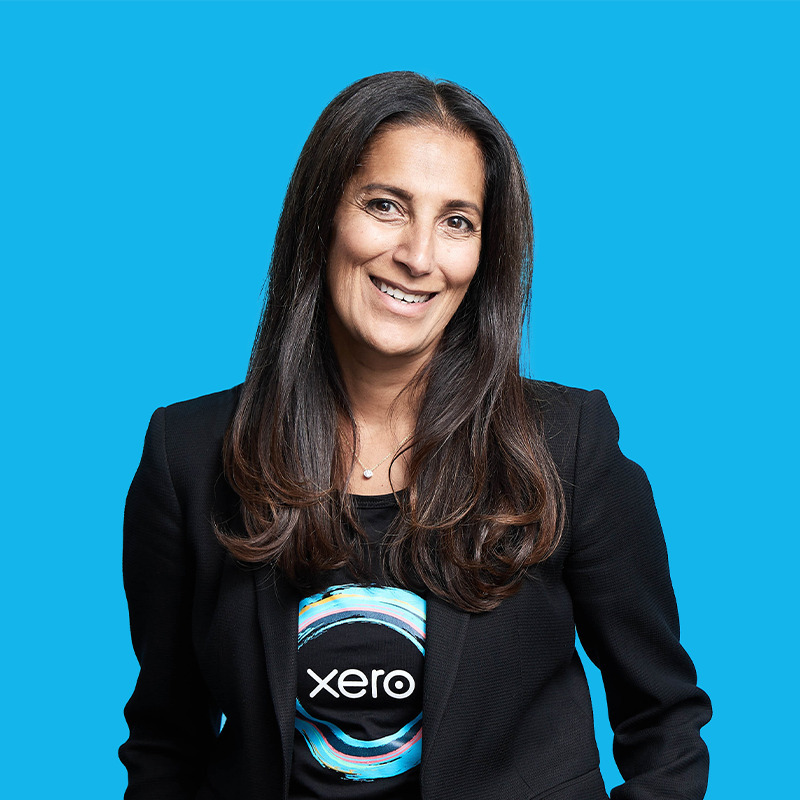
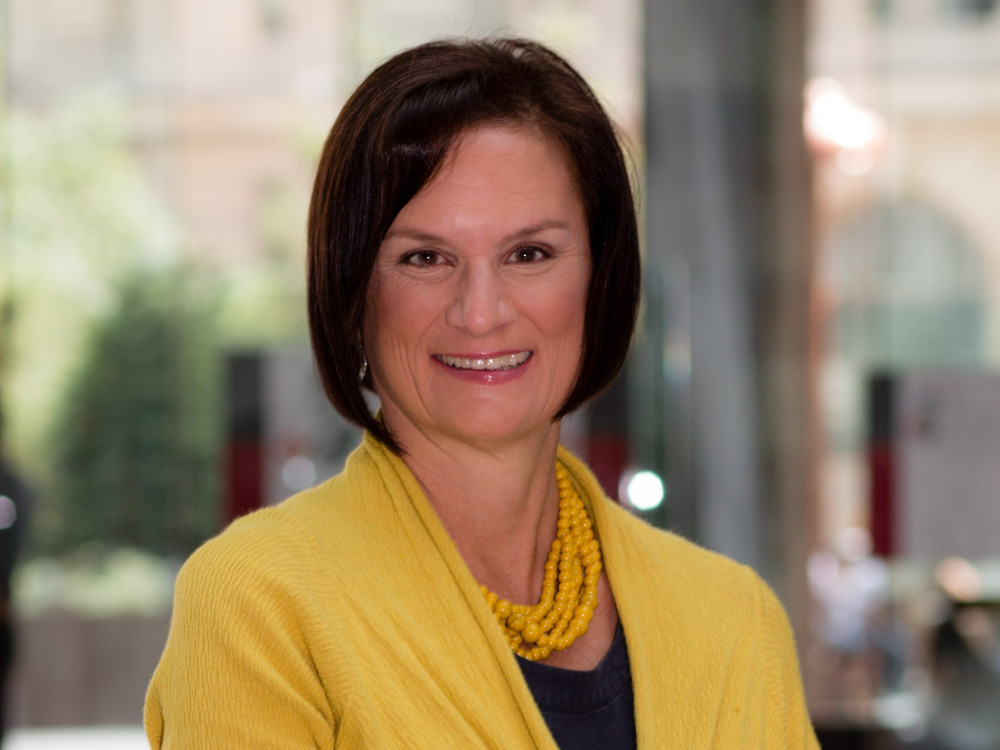
If and when that hurdle is cleared, there is the obvious question of how to measure the effectiveness of the charitable giving. Some family members might need to take on new oversight roles or create committees to report back to the broader family, says Shelley Forsythe, Vancouver-based director, family enterprise planning, at BMO Family Office.
“Every family is a little different,” Forsythe says. “Sometimes there’s a board of directors. Sometimes there’s a family council for larger families, where more family members are being engaged and invited into the process. So, every family has their own measuring stick in terms of how they are going to move those things forward.”
The more profitable the business is, the more it tends to give back with corporate philanthropy, Forsythe finds. It might even involve employees from the family enterprise participating in that process, so that everyone feels part of the giving.
Some family members, however, may be sticklers regarding which causes to support.
For example, the founding generation may still see healthcare and education as the primary areas to concentrate on. With younger generations, however, it might be the environment and sustainability. It can be a tricky interplay of causes, Forsythe notes.
Some families expand this talk of values to a whole new level. Forsythe points to one extended family in California that holds annual retreats—part family reunion, part annual general meeting. It’s a weekend in which family members all stay at the same resort, attending a full roster of meetings and listening to speakers.
“And I actually pulled aside the next generation—let’s call it G3, because they were ages 16 to 26,” Forsythe says. These grandkids and cousins were consciously getting used to spending time together, going over issues of good governance together, because they may be the family enterprise’s owners one day.
And philanthropy was part of the discussion.
For Forsythe, it’s a sign of dialogue and commitment running through generations. “It was beautiful to see that.”
Guy Dixon began his career at Dow Jones Newswires in New York before joining the Globe and Mail, covering financial markets, business news, the arts and other topics over the years. He has written for the CBC and The Walrus among other publications.
Get our quarterly newsletter about philanthropy: Canadian Family Offices’ new newsletter brings you key insights, trends and expert perspectives on charitable giving, tailored to Canada’s wealth leaders and giving communities. Click here to subscribe.
Please visit here to see information about our standards of journalistic excellence.