

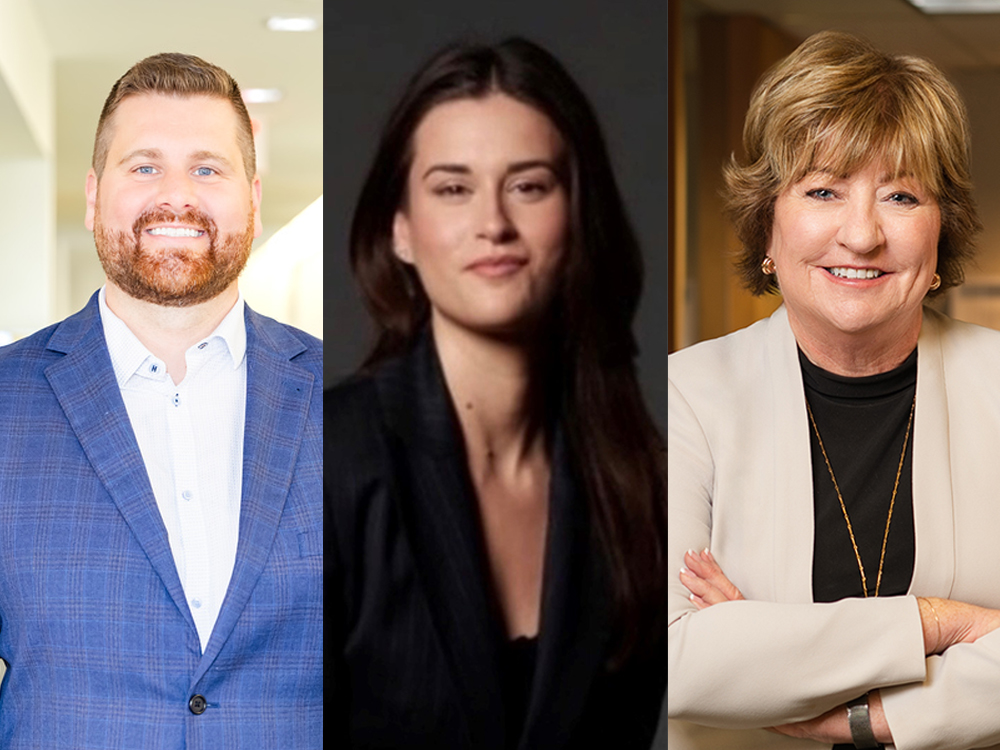
In this three-part series, we explore the truths and myths about third-generation members in wealthy families, looking for qualities that define Gen 3s overall and the current rising cohort—many of whom are now in their late teens to late 20s—in particular.
Since time immemorial, parents and grandparents have shaken their heads, thrown up their hands and declared they just can’t understand what makes their kids tick, and it sometimes falls to family advisors to moderate the conversation. Here, eight seasoned practitioners discuss the essential characteristics of the current Gen 3 crop to help advisors bridge the generation gap.
1. They seek purpose.
“Many are highly capable and have the education, advisory ecosystem and motivation to be successful in their own way, but they tend to define success differently than previous generations,” says Jill Renton, executive director of Family Advisory at KPMG Family Office in Toronto. “They’re often looking for purpose and their own identity within the enterprise.”
“They look at purpose alongside performance far more than the generations before them,” says Jim Hayhurst, managing director of Cole & Associates in Victoria. “Their question is far more ‘What is this wealth for?’ than ‘How do we grow this further?’”

2. They want to make an impact.
“Many third-generation family members coming of age today want to understand not only what the family owns, but why it matters. They may ask more directly about purpose, impact and how the enterprise fits with the life they want to build,” says Barb Schimnowsky, partner, CEO & director search with Watson Board Advisors in Vancouver.
“Many place a greater emphasis on using wealth to create impact and meaningful experiences today, rather than viewing it primarily as something to accumulate for the future,” says Amin Kanji, executive director of Family Enterprise Advising with CIBC Private Wealth in Toronto.
“They often want to see their family’s capital making a positive difference during their lifetime, often through a combination of philanthropy, entrepreneurship, travel, well-being and other forms of social impact,” Kanji adds.
3. They’re interested in new investment options.
“Many have broader investment interests that extend beyond the family’s traditional focus, whether that’s an operating business, public markets or real estate. They are often curious about emerging sectors, private investments, technology and global opportunities,” says Kanji.
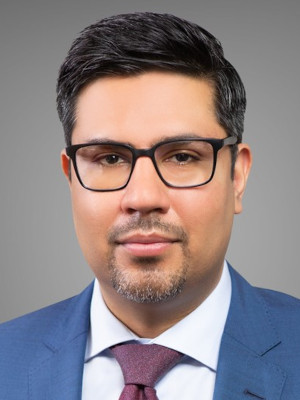
“They may be co-managing funds with family members, and they have interests across different investment horizons,” he explains. “They’ve been educated with people from around the world, and they’re familiar with technology. They’re getting into early-stage companies and searching for capital across the world for this type of investment.”
4. They’re defining their own identity.
“Many are trying to establish an identity independent of the family enterprise,” says Renton. “Before discussing governance or succession, advisors should spend time understanding what motivates them personally.”
“Rising-generation family members may be more willing to question inherited assumptions. That can be uncomfortable for parents and grandparents,” says Schimnowsky.
“Advisors can help by creating a structured and neutral place for those conversations. The goal is not for the next generation to simply conform, or to change things without context. It is to help the family build shared understanding, clear roles, and a common language for stewardship,” she adds.
5. They’re tech-savvy.
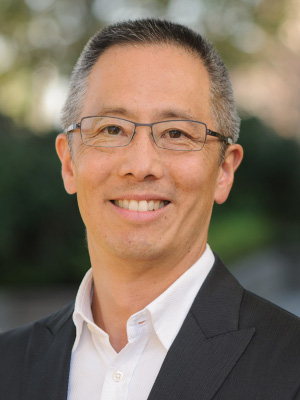
“They are the first truly native digital generation. It has a huge influence on how they see the world and the amount of information that they have access to,” says Hayhurst. Advisors must adapt to clients who prefer text over email and Docusign over in-person meetings.
Today’s Gen 1 doesn’t trust a computer to make decisions for them, but Gen 3 does, says Cameron Clark, CEO, wealth advisor & portfolio manager at Clark Financial Advisory Group, part of Scotiabank Global Family Office Group in Toronto.
“They don’t want you to explain in financial jargon how their portfolio is built, but they want to understand the nuts-and-bolts of how it works, and they’re going to vet what you’re saying,” he says.
6. They care about the environment.
“Their questions are so different from their parents’ and grandparents’: How are we making sure we’re not buying into companies that are having a negative impact on the environment?” Clark says.
Younger Gen 3s were brought up listening to youthful spokespeople like Greta Thunberg, whose campaigns have been amplified through social media in a way that was not possible in their parents’ day.
“The youth now have a voice,” says Michael Louie, partner with D&H Group LLP in Vancouver. “They see waste effluent coming out of the family factory and say, ‘We have to do something about this.’”
7. They’re experiential learners.
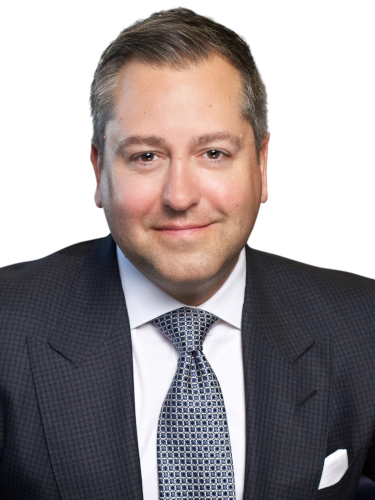
“Many younger family members learn best through experience rather than through presentations,” says Renton. “They gain a lot of value from mentorship, board observation, philanthropic involvement, family meetings where they have a voice and opportunities to make real decisions. The more interaction they have in the learning process, the more engaged they become.”
This should start young, says Andrew McQuiston, executive vice-president and senior portfolio manager with West Oak Family Office in Calgary. “At some point, you give the child some wings by giving them a little capital or a philanthropy project to manage,” he says. “Bring them into the tent and start to talk about the family values. That sets up the foundational pieces.”
8. They have a global focus.
“The world has become smaller, and we need to be globally fluent as well, with jurisdictional understanding and networks in other parts of the world. You need to understand the newer financial safe havens, the global hotspots for wealthy families,” says Hayhurst.
Hayhurst underscores the importance of being able to navigate cultural differences in international business dealings or cross-cultural marriages.
“We’re seeing that next generation making their mark in London, New York, Hong Kong, Buenos Aires, and establishing a beachhead for their own identity and the family in other jurisdictions,” he says. “For some of the third-generations, Canada is a bit too small.”
9. They’re health-conscious.
“One thing I find with that age group is openness to mental health issues and physical health and bio-hacking—everybody who’s 18 to 30 wants to live to be 100,” says Colin Keddy, director of TAAG Family Office in Ottawa.
His observation is supported by research, like Statistics Canada’s findings that between 2015 and 2025, the proportion of 18-to-34-year-old males reporting they had not had an alcoholic drink in the past year nearly doubled, from 12 per cent to 23 per cent.
Keddy enrols high-net-worth clients under 50 into private health programs that will cover expenses like out-of-country diagnostic testing: “Under 50, my clients demand that.”
10. They’re collaborative.
“They’re still young, so they’re not part of that patriarchal type of hierarchy—they’re more collaborative,” says Keddy.
“The first generation will have to understand that the new generation loves collaboration. They want to have friends in the workplace, and they want to do good, not just make profits,” says Louie. “The young people are unafraid to take their space, and with a little bit of patience I think we’ll have the generations listening to one another,” he adds. “It’s important that we take time and don’t exercise prejudice.”
Sarah B. Hood is a Toronto-based writer and book author. She has served as editor of three national magazines and written weekly columns for the National Post. She also serves on the editorial board of Spacing magazine. She writes frequently on business, urban affairs and culture. As a food writer, her work has been translated into Japanese and Arabic. She has taught writing at George Brown College for more than 20 years.
The Canadian Family Offices newsletter comes out on Sundays and Wednesdays. If you are interested in stories about Canadian enterprising families, family offices and the professionals who work with them, you can sign up for our free newsletter here.
Please visit here to see information about our standards of journalistic excellence.