

This article is part of our special report on “Educating the Next Generation of Family Office Leaders.”
The Family Enterprise Legacy Institute (FELI) at the University of Ottawa was founded in 2019 to address a concern that many business students had learned little about family businesses or family offices.
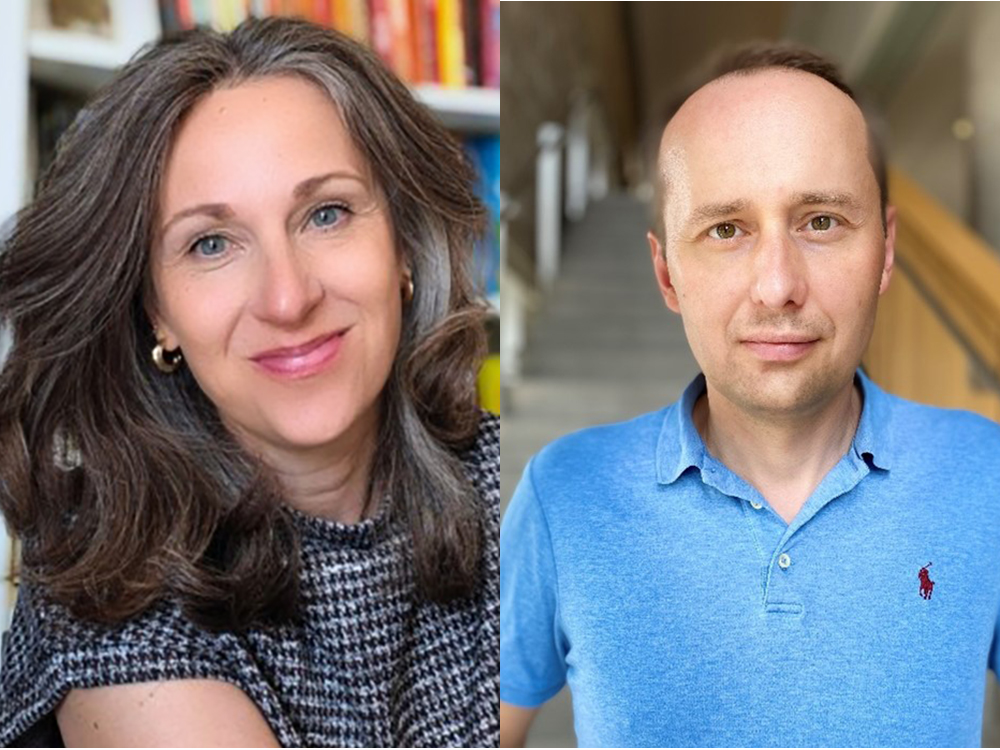
“Chances are high that these students will end up working at some point in their career with a family-owned firm, or start their own,” says Katrina Barclay, executive manager at FELI. “In Canada right now, there is limited research and detailed data that gives us reliable evidence about enterprising families. There also aren’t enough places for business families, including family offices, to receive relevant training on topics like navigating succession, managing challenging relationship dynamics, or building effective governance.”
FELI offers applied education programs directly to enterprising families, especially the next generation of business families, at the University of Ottawa, as well as courses for business students at the university’s Telfer School of Management.
Just because family offices have 10 or fewer employees … does not mean that they are easy to set up or run.
Katrina Barclay
The Certificate in Responsible Ownership is a non-credit program designed to support next-generation leaders of enterprising families between the ages of 18 and 45 in their personal and professional development. Offered jointly by FELI and Telfer Executive Programs, the program aims to equip participants with the tools needed to succeed in their envisioned roles as trusted family members, responsible business owners, prospective business leaders, and/or stewards of family wealth. The program can be customized to suit the individual needs of each family.
“The program covers a wide range of topics critical for next-gen owners and members, including those involved in family businesses, family offices, family foundations, and other family enterprises,” says FELI’s director, Peter Jaskiewicz. “We’ve run a full module that focuses specifically on family offices, as well as modules that cover topics relevant for both family businesses and family offices, including family and enterprise governance, philanthropy, financial literacy and managing family dynamics.”
Modules are informed by cutting-edge research from multiple sources, including FELI. Content is supported by real examples and best practices that have helped other families and their enterprises answer important questions. For example: How can you set up a process that engages all owners in a fair way to reach a timely decision? Or at what time should you consider professionalizing and institutionalizing particular family governance practices to guide a group of family members who set up a family office?
The program recently wrapped up a three-year version of its offering, customized for a globally operating enterprising family.
“We have a larger vision to make this type of training available to any family-owned group in Canada on a wider scale,” Jaskiewicz says. “We are working on an open enrollment program that would enable us to make a significant impact on many enterprising families across Canada, including those building family offices.”
Among the FELI courses on offer:
Advising Family Business (BCom and MBA)
The course allows students to delve into fundamental challenges facing family businesses today, providing insight and tools applicable to the practice of advising family-led firms around the globe. Topics include succession issues and planning, resolving family conflicts, developing proper governance, and the importance of communication in both the business and family.
“Many of my students at Telfer come from business families,” Jaskiewicz says. “But until taking this flagship family enterprise course, they didn’t know about best practices related to family governance or succession planning—and many aren’t aware of the unique needs and problems of family offices.”
Family Entrepreneurship (MSc)
Students delve into pertinent literature from the field, developing knowledge about family entrepreneurship and gaining the ability to critically analyze key topics. Using top family business journals, students explore the academic literature and concepts, identify important contributions in family entrepreneurship and apply their understanding beyond current knowledge.
The Entrepreneurial Society (BCom)
The course considers entrepreneurship from all perspectives—in new ventures or large companies, as well as intrapreneurship inside government or not-for-profits. The course also covers family entrepreneurship, with two modules focused on the evolution of entrepreneurship to family enterprise, as well as key issues involving family succession.


Contexts of Entrepreneurship (PhD)
Part of the Telfer PhD in Management, the course explores key topics in entrepreneurship research. Three modules focus on research at the intersection of entrepreneurship and family enterprise, exploring research and discussing families, transgenerational entrepreneurship, legacy and governance.
Research that informs best practices
FELI research projects have been informing best practices shared through its academic programs and beyond, often providing evidence-based guidance where little information existed before. That research currently follows three themes:
Preparing Next Gens
Jaskiewicz and Sabine Rau, executive in residence and senior research fellow at FELI, co-authored Enabling Next Generation Legacies: 35 Questions that Next Generation Members in Enterprising Families Ask. Published in 2022, the book was developed following years of research and interviews with more than 100 business families worldwide. Providing answers to those 35 questions were leading academics, practitioners and members of enterprising families from 27 countries. The issues emerging from the book continue to drive new opportunities for research, Jaskiewicz says.
Mental health
FELI, in partnership with the IMD Global Family Business Centre and the Family Business Network, is initiating a multi-year, multi-site international program studying the implications of mental health concerns on the enterprising family and its enterprises. Research began in early 2025, with a global mental health survey of family enterprises. The research partners are currently finalizing the related “Global Family Enterprise Mental Health Report,” which will be made public later this year. A second stage of research will be announced in 2026.
Shareholder agreements
Jaskiewicz led a 10-year study on shareholder agreements, finding that the right kind of agreement led to an 18 per cent increase in market valuation in family-controlled firms. The study revealed that shareholder agreements help reduce power struggles among family shareholders and clarify governance roles, making family firms more stable and attractive to outside investors. Among follow-up projects, the research is being leveraged to develop accessible, practical tools to help business families and family offices understand and draft effective shareholder agreements.
A growing role for family offices in Canada requires academic support
“It’s expected that 60 per cent of family enterprises will change hands over the next decade,” Barclay says. “Some will transfer to a family member, others will wind the business down, and still others will be sold. When a medium-sized or larger family firm sells, it can make sense to use that capital to start a family office. This is why it’s expected that the number of family offices will increase in Canada over the next decade. And with such a significant transfer of ownership and wealth, more family members will need to learn about the complexities and dynamics of setting up, running and governing a family office.”
FELI’s research and academic offerings will aim to help UHNW families to learn when it makes sense to set up a family office, be part of a multi-family office or seek tailored services from various external service providers.
“Just because family offices have 10 or fewer employees instead of a family business that employs 500 or 10,000 does not mean that they’re easy to set up and run, or that the dynamics and needs of the family clients behind the family office are straightforward,” Barclay says. “Our institute is here to support enterprising families, especially the next generation of business families, to help fill that gap.”
Peter Kenter is a Toronto-based writer with a deep and abiding interest in how everything in the world works and how it got that way. He’s written about the economy, investing, financial services, cryptocurrency, pharmaceuticals, mining, energy, cannabis, agriculture, consumer electronics, education, sponsorship marketing, and entertainment. He’s the author of TV North: Everything You Wanted to Know About Canadian Television.
The Canadian Family Offices newsletter comes out on Sundays and Wednesdays. If you are interested in stories about Canadian enterprising families, family offices and the professionals who work with them, but like your content aggregated, you can sign up for our free newsletter here.
Please visit here to see information about our standards of journalistic excellence.