


According to the Scottish New Year’s tradition of Hogmanay, ending the year well requires cleaning house and settling debts before the bells ring out at midnight. It’s a natural time to wrap up outstanding matters and look ahead.
What does this mean for enterprising families and their advisors?
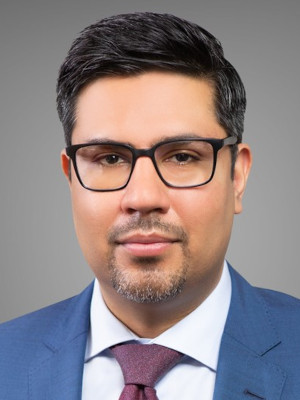
As 2025 comes to a close, family offices are entering a critical period of review, planning and execution for the families they serve, says Toronto-based Amin Kanji, executive director of Family Enterprise Advising with CIBC Private Wealth.
“The final months of the year present an opportunity not only to address immediate financial and tax obligations but also to position the family for continued success in 2026 and beyond,” Kanji says.
The holidays present an opportune time for family communication, says Michael Louie, partner at D&H Group LLP in Vancouver.
This doesn’t mean launching a painful debate around the holiday dinner table. “This is a time for reflection,” he says. It presents an opportunity to gently start conversations about potentially difficult topics such as the involvement of family in the family business and the parents’ testamentary wishes.
Here are nine discussion topics that could help families pave the way for success in the coming year.
Estate planning and succession

Families who hold an entrepreneurial mindset tend to consider estate planning and succession as “tasks to be completed by ‘checking the box,’” Louie says, but succession planning should be more of a process, not a destination.
Eli Bernholtz, CEO and founder of VFO (Virtual Family Offices) in Montreal, says owner-managers should also be looking at the current and future relationships of family members to the business.
One area to consider, he says, is compensation: “dividends versus salaries, RRSP contributions, lifestyle cash-flow planning and intergenerational asset sharing.”
Succession and estate planning go hand in hand, so Bernholtz also advocates a review of trusts, trustees and beneficiaries.
Kanji points out that life changes—such as births, marriages, international moves and separations—may mean that “wills, powers of attorney, beneficiary designations and other important financial arrangements need to be updated.”
Philanthropy
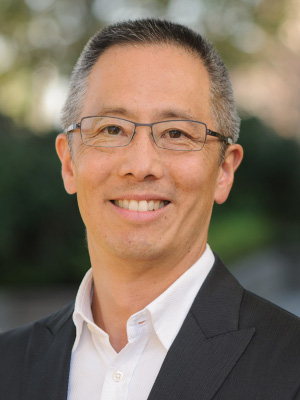
The holidays are a time of giving, but they can also be a time to question how effectively a family foundation is fulfilling its aims as well as maximizing the tax benefits that are being realized.
“We look at it throughout the year, but it’s at the end of the year that we say, ‘We committed money to this charity; how are we doing?’” Bernholtz says.
“We plan ahead for next year. It’s not necessarily a question of tax, but we want to create a legacy.”
If the family has charitable funds in a foundation, they should review whether the annual disbursement quotas have been met, Kanji notes. He adds that, as advisors review investment performance, some securities can be donated to reduce capital gains and benefit from donation tax credits or deductions.
“The family office is in a good position to advise the members through these strategic philanthropic giving strategies, as they are typically aware of the various assets the family holds,” he says.
Family governance
Family office leaders can help the family plan for good governance in the year ahead, says Kanji.
They might renew the family meeting schedule, reassess the choice of venues and consider upcoming agenda items. They might also start thinking about “learning and development for family members, succession matters or even exploring new opportunities that are aligned with the family’s vision,” he adds.
Tax optimization
Beyond compliance considerations, tax planning requires a thoughtful approach, says Bernholtz. “It should support your decisions, but it should not drive your decisions.”
Kanji recommends reviewing registered accounts to maximize tax benefits and support the rising generation though contributions to education or homeownership. It’s important, however, “that these decisions align with the broader family vision and how the rising generation can successfully be mentored in managing their own financial responsibilities,” he adds.
Insurance
Bernholtz asks, “Are we overinsured or underinsured?”
“When you actually look at the data, are you overinsured and overpaying your premiums, which are in many cases very significant? And sometimes they underestimate the portfolio. All it takes is just to review it once a year to make sure we’re not overspending where we could be spending somewhere else.”
Asset allocation
Family offices are examining anticipated year-end performance for investments and businesses, as well as for investment managers, and perhaps rebalancing their portfolios as a result.
“For underperforming securities, there may be an opportunity to trigger capital losses to help offset capital gains,” Kanji points out.
Bernholtz says changes in tax laws and other legislation, front-page geopolitical events and numerous other factors could be affecting the performance of various holdings. For instance, this year, “I can state for sure that anyone who has any cross-border investments needs to look at them,” he says.
Liquidity
While making sage investments and planning how to give money away, it’s of course critical to make sure cash flow matches upcoming calls upon the family purse.
“Because the families I’m dealing with have a lot of direct investments in big businesses and real estate, they are illiquid,” says Bernholtz. “Do we have enough liquid cash to support our strategy? It’s something that needs to be tracked throughout the year, but it needs to be reviewed once more at the end of the year.”
Education
While advisors help family members make plans, they can also identify areas for education and skills development.
Courses of study aren’t just for the next generation—older family members could benefit, for instance, from training in use of technology and online security.



“We see how technology is going and how easy it is to commit fraud, but we have clients who still use paper cheques,” Bernholtz says. He recommends educating the founding generation in “how to strengthen their controls and modernize their payment processes.”
Intentionality
The turn of the calendar is a perfect time to take a thoughtful pause and look at the big picture, Bernholtz says.
“Our approach is that year-end is the time when we take a step back and look at all the areas: financial, tax, governance and so on. We look at the entire ecosystem to confirm that all these systems still work together.”
Louie says, “I think the takeaway is to be intentional, as time together is precious, thinking about your family’s succession planning and asking whether we’ve made some progress.”
Kanji says, “Year-end is a busy but strategic period for family offices, blending tactical tasks with long-term visioning.
“Proactive planning now will help families preserve and grow their wealth and ensure that their legacy continues to thrive into the future.”
Sarah B. Hood is a Toronto-based writer and book author. She has served as editor of three national magazines and written weekly columns for the National Post. She also serves on the editorial board of Spacing magazine. She writes frequently on business, urban affairs and culture. As a food writer, her work has been translated into Japanese and Arabic. She has taught writing at George Brown College for more than 20 years.
The Canadian Family Offices newsletter comes out on Sundays and Wednesdays. If you are interested in stories about Canadian enterprising families, family offices and the professionals who work with them, but like your content aggregated, you can sign up for our free newsletter here.
Please visit here to see information about our standards of journalistic excellence.